- Quick Comparison: Bouncer vs. Other Baby Seats
- Benefits of a Baby Bouncer
- Drawbacks
- Bouncer Safety Rules
- How Long Do Babies Use a Bouncer?
- Types of Bouncers
- Bouncer or Swing?
- Balancing Bouncer Time and Floor Time
- How to Choose a Bouncer
- Do You Need a Baby Bouncer for a Second Baby?
- Bouncers for Travel and Visiting Family
- Signs Your Baby Has Outgrown the Bouncer
- Budget and Secondhand Tips
- Shop This Guide
- A Practical Scenario: A Busy Kitchen
- Frequently Asked Questions
- Final Thoughts: Do You Need a Baby Bouncer?
- Free Newborn Gear Checklist
- Everything you need before baby arrives — get the free printable checklist, straight to your inbox.
As an Amazon Associate, we earn from qualifying purchases linked in this post.
Do you need a baby bouncer? No, a baby bouncer is not essential, but it is one of the more affordable and practical “nice to have” items for the first six months. A bouncer gives your baby a safe, supervised spot to sit and watch you while you cook, shower, or care for a sibling, and the gentle bounce can soothe some fussy babies. Unlike a swing, it is lightweight and easy to carry from room to room.
Like all inclined seats, a bouncer is for awake time only, never for sleep. Below we compare bouncers with swings and other options, explain the benefits and drawbacks, cover essential safety rules, describe how long babies use them, and help you decide whether one makes sense for your home.
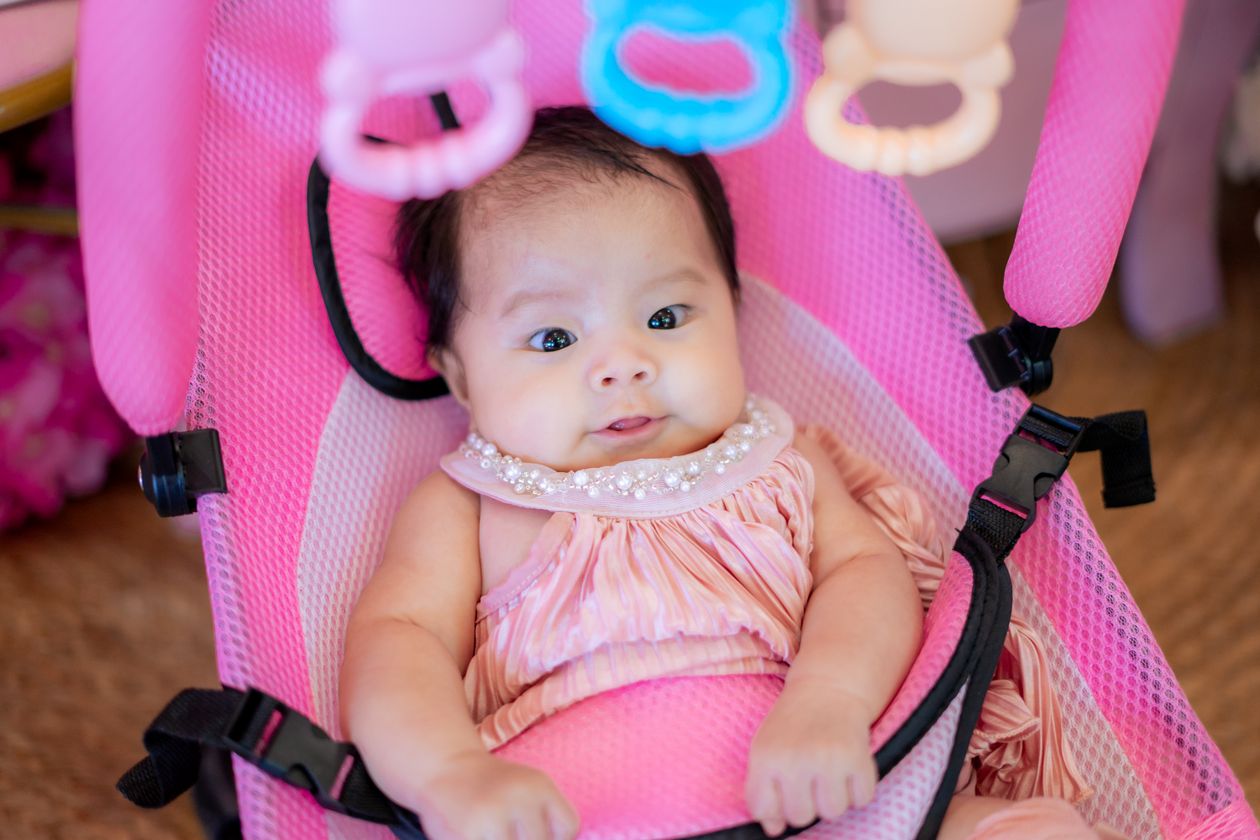
Quick Comparison: Bouncer vs. Other Baby Seats
This table helps answer do you need a baby bouncer by comparing it with similar products.
| Product | Typical Age | Best For | Watch Out For |
|---|---|---|---|
| Bouncer | Birth to about 6 months or weight limit | Portable, supervised awake time | Not for sleep; floor use only |
| Swing | Birth to about 6 months | Hands-free motion for fussy babies | Bulky and pricier |
| Baby lounger | Varies | Supervised lounging | Soft-sided products are a suffocation risk if used for sleep |
| Play mat | Birth and up | Tummy time and movement | Requires floor space |
| High chair (reclined) | Varies by model | Joining family meals | Follow age and recline guidance |
Benefits of a Baby Bouncer
- Portable: light enough to move to the kitchen, bathroom, or patio.
- Affordable: many basic bouncers cost much less than swings.
- Soothing: gentle bouncing or vibration calms some babies.
- Engaging: toy bars give babies something to look at and reach for.
- Compact: many fold flat for storage or travel.
Drawbacks
- Short use period: most babies outgrow bouncers by around 6 months.
- Not every baby enjoys it: some prefer being held or on the floor.
- Overuse risk: too much time in seats reduces floor play and movement.
Bouncer Safety Rules
- Never let your baby sleep in a bouncer. Move them to a flat, firm crib or bassinet if they doze off.
- Always use the harness.
- Keep the bouncer on the floor, never on tables, counters, beds, or sofas, where bouncing can make it slide off.
- Stay close and keep your baby in sight.
- Stop using it when your baby can sit up, roll, or reaches the weight limit.
- Check for recalls and register your product.
The American Academy of Pediatrics explains why inclined products are not safe for sleep in its parent guide to safe sleep. These rules are the most important part of answering do you need a baby bouncer for your family.
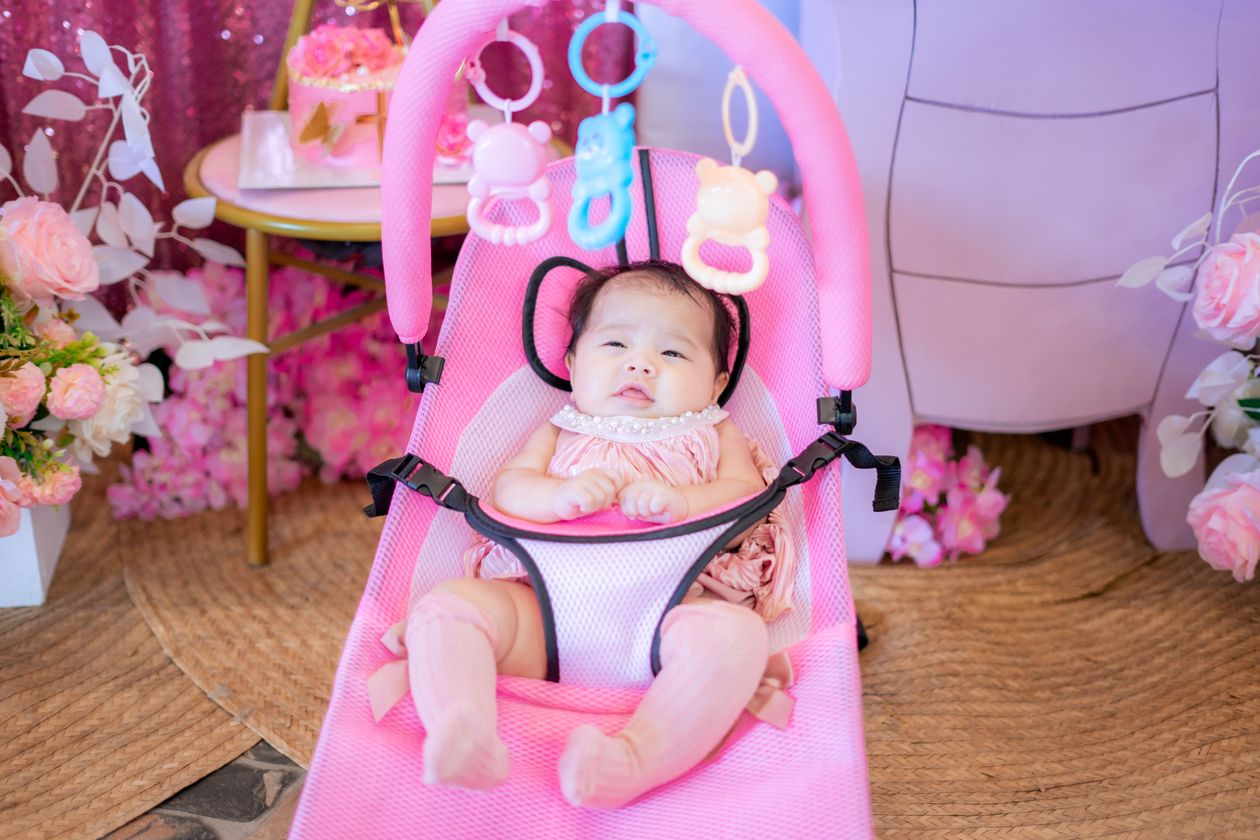
How Long Do Babies Use a Bouncer?
Most bouncers are designed for babies from birth until they can sit up unassisted, usually around 6 months, or until they reach the weight limit, often 18 to 20 pounds. Some models convert into toddler rockers or seats, extending their use. Once your baby can roll or sit, they are safer on the floor or in age-appropriate seats.
Types of Bouncers
- Classic wire-frame bouncers: bounce naturally with your baby’s movements.
- Vibrating bouncers: include soothing vibration and sometimes music.
- Ergonomic fabric bouncers: sleek designs that fold flat and often adjust in height.
- Convertible rockers: switch from infant bouncer to toddler rocker.
Bouncer or Swing?
If your baby is easily soothed by motion and you need longer hands-free periods, a swing may suit you better. If you want something light and portable, a bouncer is usually the more practical choice. Many families choose only one. Our guide on whether you need a baby swing covers the pros and cons in detail, and our best baby swings list compares popular models.
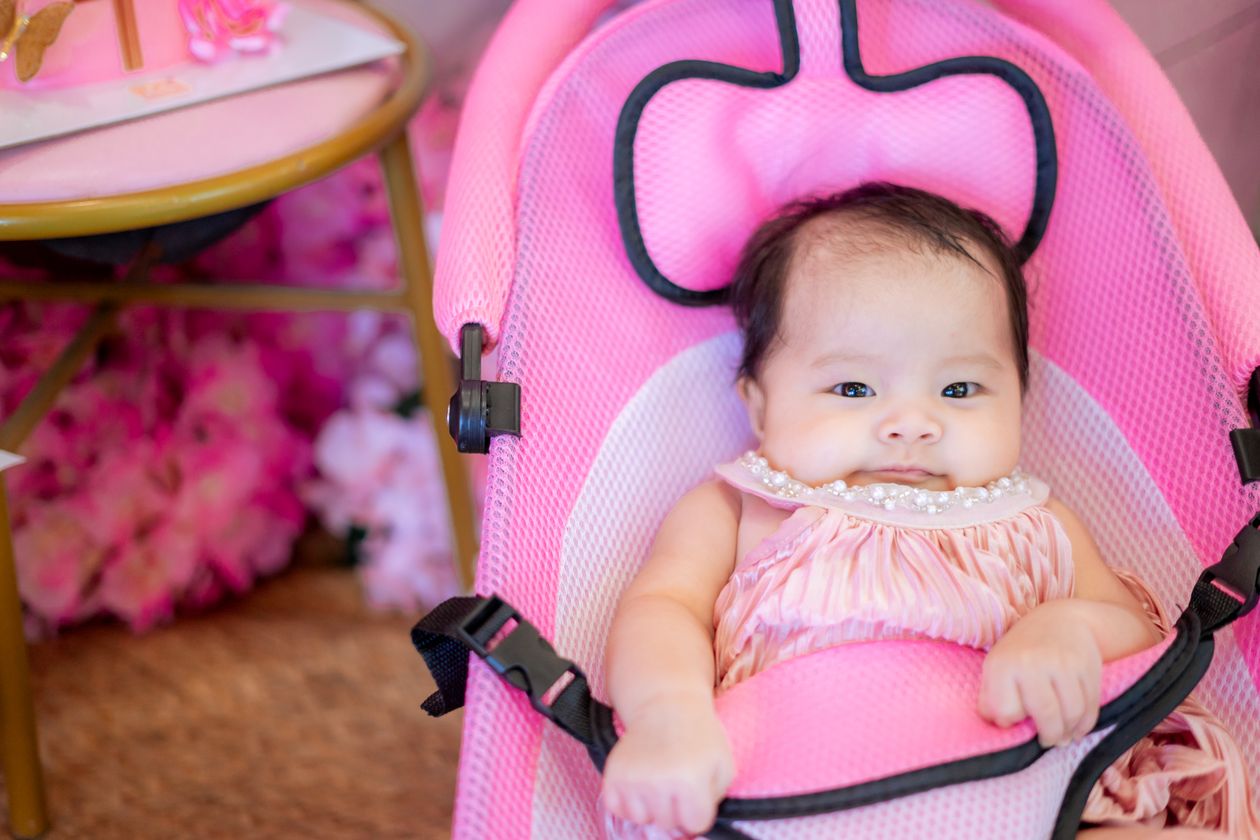
Balancing Bouncer Time and Floor Time
Babies build neck, back, and core strength by moving freely on the floor. Pediatric experts encourage plenty of tummy time and floor play, with seats like bouncers used for short periods. A good rule of thumb is to use a bouncer for brief, supervised sessions and offer floor time on a play mat several times a day. See our guide on how long babies use a play mat for ideas.
How to Choose a Bouncer
- Stable base with non-slip feet.
- Five-point or three-point harness that adjusts easily.
- Machine-washable fabric for spit-up and spills.
- Weight and age limits that fit your plans.
- Foldability if you need to store or travel with it.
Do You Need a Baby Bouncer for a Second Baby?
With a toddler running around, a safe spot to put the baby down for a few minutes becomes more valuable. Many second-time parents find that a bouncer is one of their most-used items. Just keep it on the floor, away from where an older sibling might push or rock it too hard, and supervise closely. For these families, the answer to do you need a baby bouncer is often yes.
Bouncers for Travel and Visiting Family
Because many bouncers fold flat and weigh only a few pounds, they are handy for visits to grandparents, vacation rentals, and weekend trips. Bringing a familiar seat can help your baby settle in a new place during awake time. Pack it with the rest of your gear and set it up on the floor as soon as you arrive. For parents who travel often, portability is a strong reason the answer to do you need a baby bouncer is yes.
Signs Your Baby Has Outgrown the Bouncer
- Tries to sit up or pull forward against the harness.
- Rolls or twists strongly inside the seat.
- Reaches the weight limit printed on the label.
- Bounces so hard that the seat shifts on the floor.
When you see these signs, move playtime to the floor, a play yard, or an age-appropriate activity center. Recognizing the end point is part of deciding do you need a baby bouncer, since many families only use one for four to six months.
Budget and Secondhand Tips
Bouncers are widely available secondhand. Check that the model has not been recalled, the harness and buckles work, the frame is not bent, and the fabric is clean and intact. Avoid very old models that may not meet current safety standards.
Shop This Guide
If you decide this gear is right for your family, these links show current options and prices. Check reviews, age and weight limits, and recall status before you buy.
Want our top picks? Read our guide to the best baby play mat.
As an Amazon Associate, we earn from qualifying purchases at no extra cost to you.
A Practical Scenario: A Busy Kitchen
Imagine a parent who cooks dinner every evening while their three-month-old fusses. They place a lightweight bouncer on the kitchen floor, away from the stove, buckle their baby in, and chat to them while cooking for 20 minutes. When the baby falls asleep, they move her to the bassinet. For them, the honest answer to do you need a baby bouncer was yes.
Frequently Asked Questions
Do you need a baby bouncer for a newborn?
Not necessarily, but it can be a useful place for supervised awake time.
Can babies sleep in bouncers?
No. Always move a sleeping baby to a flat, firm crib or bassinet.
How long can a baby stay in a bouncer?
Short, supervised sessions of about 15 to 30 minutes are best.
Is vibration good for babies?
Gentle vibration soothes some babies, but it is optional; many basic bouncers without vibration work just as well.
When should I stop using a bouncer?
When your baby can sit up, roll, or reaches the weight limit.
Final Thoughts: Do You Need a Baby Bouncer?
Do you need a baby bouncer? Not strictly, but it is an affordable, portable way to keep your baby safe and content for short, supervised periods. Use it only on the floor, always buckle the harness, never use it for sleep, and balance bouncer time with plenty of floor play.
Sources & Expert References
- American Academy of Pediatrics (HealthyChildren.org)
- CDC Child Safety & Injury Prevention
- CPSC Nursery Product Safety
- Before you buy: Check the current recall list at CPSC.gov/Recalls, especially for secondhand or older gear.

About the Author
TheBabyGearList Team
TheBabyGearList is an independent baby-gear site. We put each guide together from manufacturer specifications, safety standards and guidance (AAP, CPSC, NHTSA and JPMA), and patterns in verified buyer reviews. We use AI writing tools to help draft guides and review every guide before it goes live. We have not hands-on tested every product we mention, so please check the manufacturer's current instructions and limits before you buy or use any gear, and talk to your pediatrician about health questions. Spotted something out of date? Tell us through the Contact page.