- Quick Answer: Who Benefits Most
- Why Air-Drying Matters
- Benefits of a Bottle Drying Rack
- Types of Drying Racks
- How Many Bottles Will You Dry?
- Alternatives to a Drying Rack
- How to Keep Your Drying Rack Clean
- Where to Put Your Drying Rack
- Drying Rack vs. Sterilizer Dryer
- What to Look For When Buying
- How Long Will You Use It?
- Common Mistakes to Avoid
- Shop This Guide
- A Practical Scenario: The Pumping Parent
- Frequently Asked Questions
- Final Thoughts: Do You Need a Bottle Drying Rack?
- Free Newborn Gear Checklist
- Everything you need before baby arrives — get the free printable checklist, straight to your inbox.
As an Amazon Associate, we earn from qualifying purchases linked in this post.
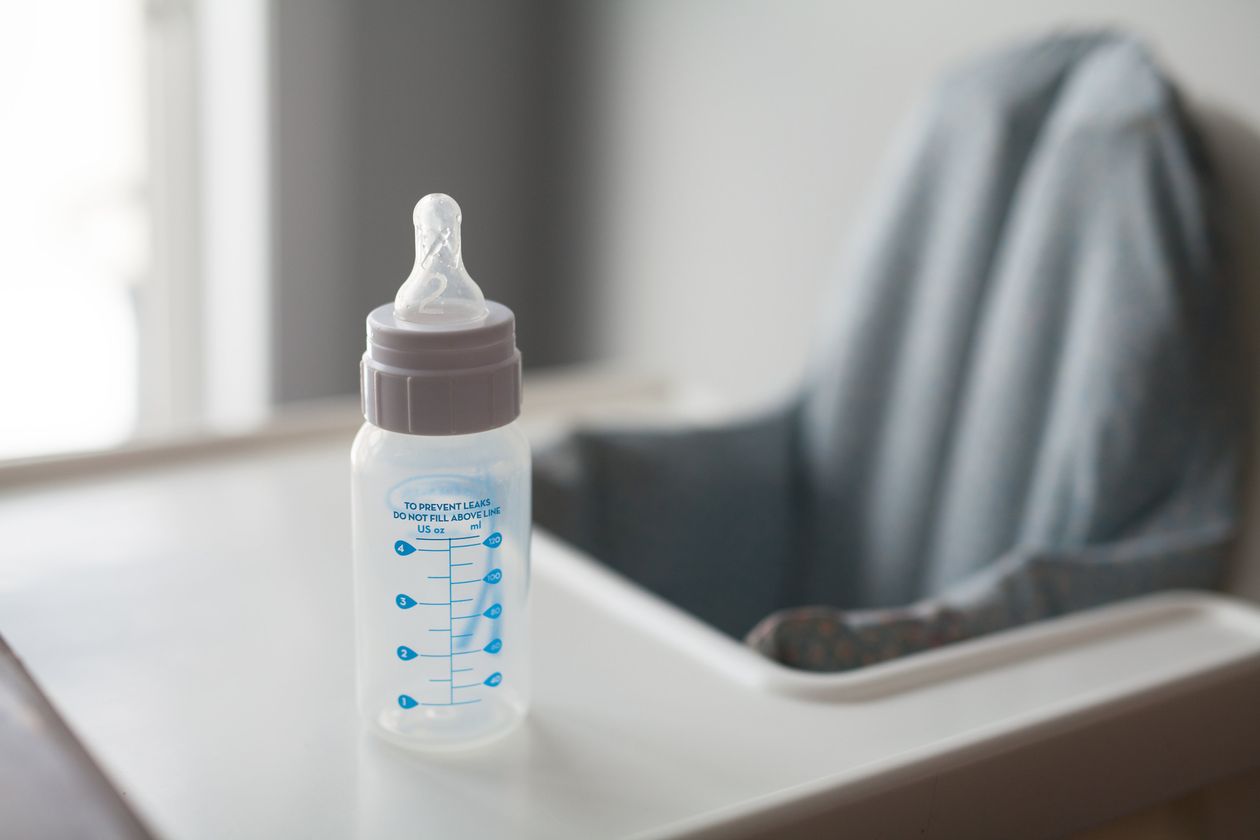
Do you need a bottle drying rack? Not strictly, but most families who bottle-feed or pump find one very useful. A bottle drying rack keeps bottles, nipples, pump parts, and small accessories upright and separated so they air-dry quickly and hygienically, instead of piling up on a dish towel where water pools and germs can linger. If you only use a bottle occasionally, a clean dish rack or a paper towel will do.
The answer really depends on how many bottles you wash each day, how much counter space you have, and whether you also pump. Below we explain why air-drying matters, compare rack types, list alternatives, and share cleaning tips, so you can decide whether a drying rack is worth adding to your baby gear list.
Quick Answer: Who Benefits Most
This table gives a quick answer to do you need a bottle drying rack for common feeding setups.
| Feeding Setup | Drying Rack Useful? | Why |
|---|---|---|
| Exclusive bottle-feeding (formula) | Yes | 6 to 10 bottles a day to dry |
| Exclusive pumping | Yes | Many small pump parts to dry |
| Combination feeding | Usually | Several bottles and parts daily |
| Mostly breastfeeding, occasional bottle | Optional | A clean dish rack works |
| Bottle sterilizer with dryer | Probably not | Dries items inside the unit |
Why Air-Drying Matters
Germs grow in moisture, so how you dry bottles is part of keeping them clean. The CDC guide to cleaning infant feeding items recommends letting bottles and parts air-dry thoroughly on a clean, unused dish towel or paper towel, in an area protected from dirt and dust, rather than wiping them with a cloth that could transfer germs. A drying rack makes this easier because items stand upright with space between them, so water drains and air circulates.
This matters most in the first months, when babies’ immune systems are still developing, and for premature babies or those with health concerns. Even after that, a clean, dry bottle is simply more pleasant to use and less likely to develop odors or residue.
Benefits of a Bottle Drying Rack
- Faster drying with upright bottles and good airflow.
- Organized space for nipples, rings, valves, and straws.
- Less counter clutter than towels covered in parts.
- Separate from family dishes, which reduces cross-contamination.
- Easy to clean compared to towels that stay damp.

Types of Drying Racks
Drying racks come in several styles. Grass-style racks have flexible plastic “blades” that hold bottles and small parts, and they come in sizes from compact to large. Tree-style racks have pegs that hold bottles upside down, which saves counter space. Folding or roll-up racks fit over the sink and can be stored away. Countertop drying stations combine a tray, pegs, and a lid to keep dust off.
| Type | Best For | Pros | Cons |
|---|---|---|---|
| Grass-style | Lots of small parts | Holds varied shapes | Needs regular cleaning between blades |
| Tree or peg | Small kitchens | Vertical, compact | Fewer small-part spots |
| Over-the-sink | Limited counters | Saves space, drains into sink | Blocks sink use |
| Covered station | Dusty or busy kitchens | Protects clean items | Slower drying if fully closed |
How Many Bottles Will You Dry?
The number of bottles you use each day affects the size of rack you need. Newborns typically feed 8 to 12 times a day, so exclusively bottle-fed babies may go through many bottles daily, plus nipples and rings. Pumping parents add flanges, valves, membranes, and connectors.
Our guide on how many bottles you need can help you estimate your daily load. A large rack, or two smaller ones, keeps up with heavy use, while a compact rack is fine for occasional bottles. Knowing your load is a big part of answering do you need a bottle drying rack at all.
Alternatives to a Drying Rack
If you are still unsure about do you need a bottle drying rack, consider simpler options. A clean section of your regular dish rack, washed regularly, can work for a few bottles. Fresh paper towels or a dedicated clean towel laid on the counter are acceptable for occasional use. Some bottle sterilizers include a drying function that dries bottles inside the unit, which removes the need for a separate rack. Read do you need a bottle sterilizer to see whether a sterilizer-dryer makes sense for you.
How to Keep Your Drying Rack Clean
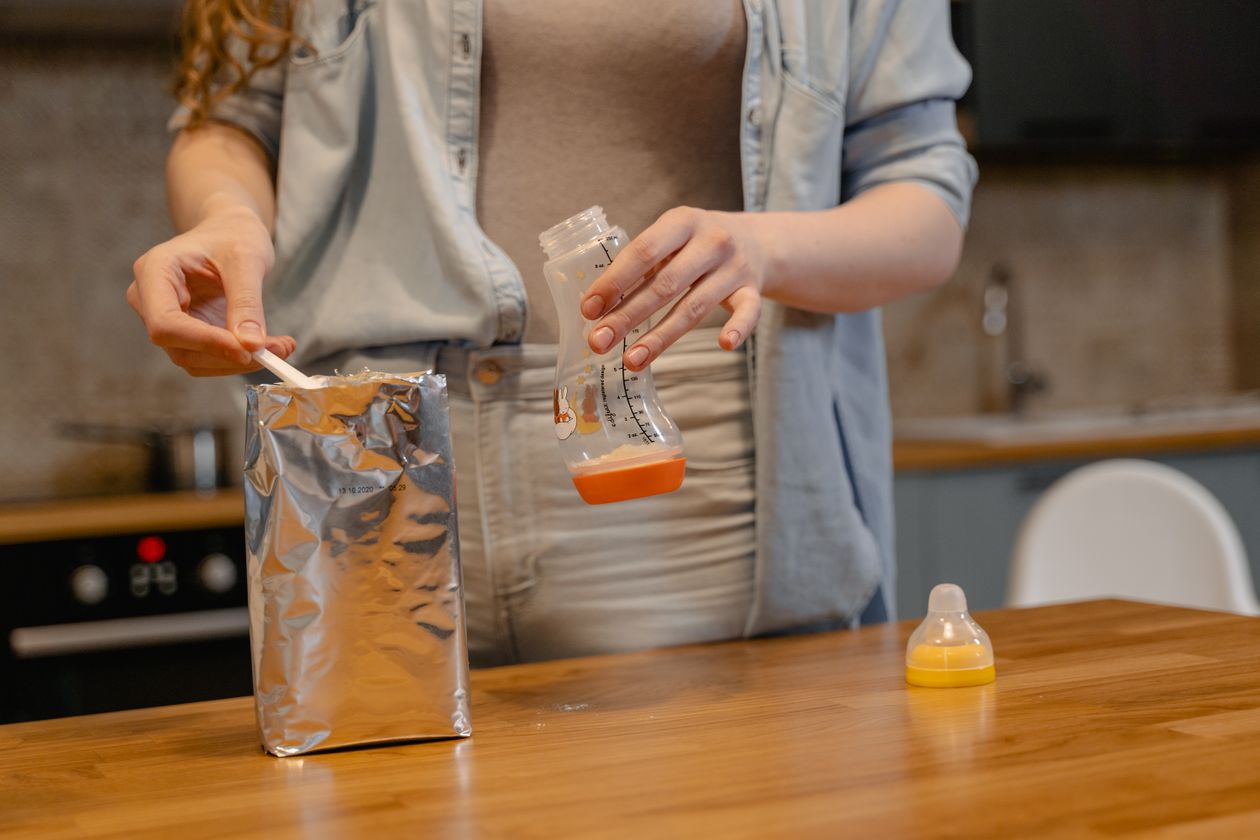
A drying rack itself can grow mold or bacteria if it never fully dries. Empty any water from the tray daily, wash the rack with hot, soapy water at least once or twice a week, and let it dry completely. Many racks are dishwasher-safe, which makes this easy. Check the crevices between blades or pegs, where pink or black residue can build up. Replace the rack if it becomes cracked or permanently stained.
Where to Put Your Drying Rack
Placement makes a difference in how quickly bottles dry and how clean they stay. Choose a spot away from the area where you rinse raw meat or scrape dirty dishes, so splashes do not land on clean bottles. Good airflow helps, so avoid tucking the rack into a damp corner under cabinets.
If your kitchen is very small, an over-the-sink rack or a tree-style rack mounted near the window can keep clean items off crowded counters. Some families set up a small feeding station with the drying rack, formula, clean bottles, and a bottle brush all in one place, which makes night feeds and morning prep much faster.
If you have pets or older children who grab things from counters, a covered drying station keeps curious paws and hands away from clean nipples and pump parts. These small details often settle whether do you need a bottle drying rack in your particular home.
Drying Rack vs. Sterilizer Dryer
Electric sterilizer-dryers clean and dry bottles in one cycle, which is convenient for busy families, but they cost more, take up counter space, and still hold a limited number of bottles. A drying rack is cheaper and has no running costs, but it relies on time and airflow. Many parents use both: the sterilizer for the first months, and a rack for overflow or later stages. Comparing the two is a helpful way to think about do you need a bottle drying rack alongside your other feeding gear.
What to Look For When Buying
- Size that matches your daily bottle and pump part load.
- Removable drip tray that is easy to empty and clean.
- Dishwasher-safe, BPA-free materials.
- Space for small parts such as valves and nipples.
- Compact footprint for small kitchens.
How Long Will You Use It?
Most families use a bottle drying rack throughout the bottle-feeding stage, often until 12 to 18 months, and many keep using it afterward for sippy cups, straw cups, snack containers, and pacifiers. Some parents repurpose it for small kitchen items later. That extended use is one reason many parents say yes when asked do you need a bottle drying rack, especially if you plan to have more children.
Common Mistakes to Avoid
- Drying bottles on a damp dish towel that harbors germs.
- Stacking parts so they never fully dry.
- Never cleaning the rack itself.
- Assembling bottles while still wet, trapping moisture inside.
Shop This Guide
If you decide this gear is right for you, these links show current options and prices. Check reviews, size and weight limits, and recall status before you buy.
Want our top picks? Read our guide to the best baby bottle sterilizer.
As an Amazon Associate, we earn from qualifying purchases at no extra cost to you.
A Practical Scenario: The Pumping Parent
Imagine a mother who returns to work and pumps three times a day while her partner bottle-feeds at home. Their kitchen counter is soon covered with towels full of bottles, flanges, and tiny valves that never seem dry, and parts keep going missing. They buy a large grass-style drying rack, give each part a spot, and empty and wash the rack twice a week. The counter is organized and everything dries overnight. For them, the honest answer to do you need a bottle drying rack was definitely yes.
Frequently Asked Questions
Do you need a bottle drying rack?
Not strictly, but it is very helpful if you bottle-feed or pump several times a day.
Is it okay to dry baby bottles with a towel?
Air-drying is better. Wiping with a cloth can transfer germs, so let items dry on a clean surface.
How often should I clean a bottle drying rack?
Empty the tray daily and wash the rack at least once or twice a week.
Can I use my regular dish rack for baby bottles?
Yes, if it is clean and you keep baby items separate from dirty dishes.
Final Thoughts: Do You Need a Bottle Drying Rack?
Do you need a bottle drying rack? If you bottle-feed or pump regularly, a drying rack is an inexpensive, practical tool that keeps bottles and parts organized, dry, and hygienic. If you only use bottles occasionally or have a sterilizer with a dryer, you can skip it. Whatever you choose, air-dry feeding items thoroughly and keep your drying area clean.
Sources & Expert References
- American Academy of Pediatrics (HealthyChildren.org)
- CDC Child Safety & Injury Prevention
- CPSC Nursery Product Safety
- Before you buy: Check the current recall list at CPSC.gov/Recalls, especially for secondhand or older gear.

About the Author
TheBabyGearList Team
TheBabyGearList is an independent baby-gear site. We put each guide together from manufacturer specifications, safety standards and guidance (AAP, CPSC, NHTSA and JPMA), and patterns in verified buyer reviews. We use AI writing tools to help draft guides and review every guide before it goes live. We have not hands-on tested every product we mention, so please check the manufacturer's current instructions and limits before you buy or use any gear, and talk to your pediatrician about health questions. Spotted something out of date? Tell us through the Contact page.