- Quick Answer: When a Humidifier Helps
- Benefits of a Humidifier for Babies
- Cool-Mist vs. Warm-Mist Humidifiers
- Ideal Humidity for a Nursery
- How to Use a Humidifier Safely
- Cleaning: The Most Important Step
- Signs the Air in Your Home Is Too Dry
- Humidifiers and Babies With Eczema or Allergies
- How Long Will You Use It?
- Alternatives to a Humidifier
- What to Look For When Buying
- Common Mistakes to Avoid
- Shop This Guide
- A Practical Scenario: A Dry Winter Nursery
- Frequently Asked Questions
- Final Thoughts: Do You Need a Humidifier for a Baby?
- Free Newborn Gear Checklist
- Everything you need before baby arrives — get the free printable checklist, straight to your inbox.
As an Amazon Associate, we earn from qualifying purchases linked in this post.
Do you need a humidifier for a baby? Not always. A humidifier is helpful when your home air is dry, which is common in winter when the heating is on or in dry climates, and it can ease stuffy noses, dry skin, and chapped lips. If your indoor humidity already sits between about 30 and 50 percent, most babies do perfectly well without one.
The key is choosing the right type, keeping it clean, and not overdoing the moisture. Below we cover when a humidifier helps, which type is safest for a nursery, ideal humidity levels, cleaning routines, placement, and common mistakes, so you can decide whether a humidifier belongs on your baby gear list.
Quick Answer: When a Humidifier Helps
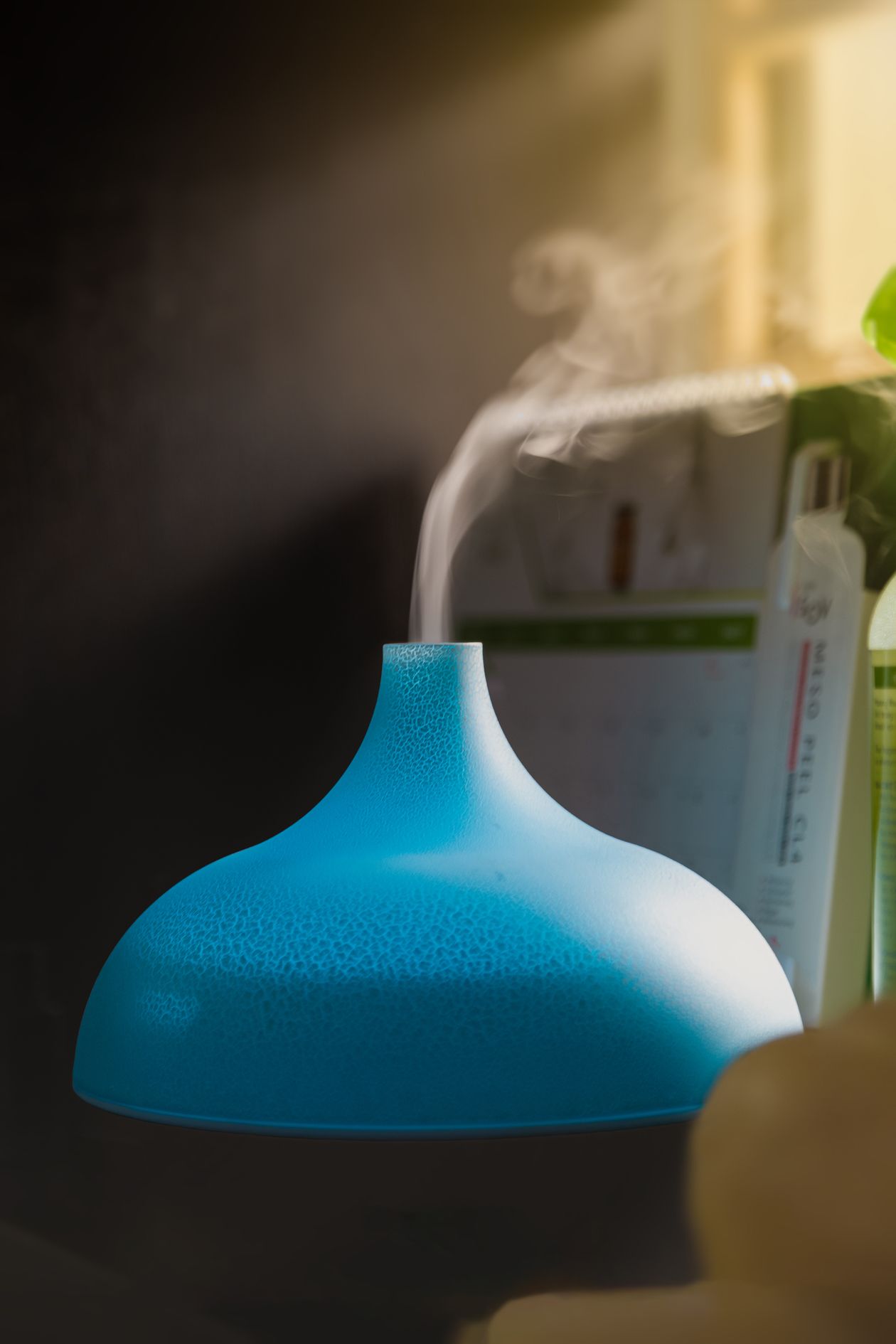
This table gives a quick answer to do you need a humidifier for a baby in common situations.
| Situation | Humidifier Helpful? | Notes |
|---|---|---|
| Dry winter air with heating | Yes | Often drops below 30% humidity |
| Dry desert climate | Yes | Helps skin and nasal comfort |
| Baby with a cold and stuffy nose | Often | Moist air can ease congestion |
| Humid summer or coastal climate | No | Extra moisture can encourage mold |
| Humidity already 30–50% | Usually no | Air is already comfortable |
Benefits of a Humidifier for Babies
- Eases congestion: moist air can help loosen mucus when your baby has a cold.
- Soothes dry skin: helpful for babies prone to dry patches in winter.
- Reduces dry, irritated nasal passages that can disturb sleep.
- Prevents chapped lips and dry throats overnight.
- Gentle background hum: some parents find it doubles as soft white noise.
Cool-Mist vs. Warm-Mist Humidifiers
For nurseries, experts generally recommend cool-mist humidifiers. Warm-mist models boil water to create steam, which can cause burns if a curious baby or toddler touches the unit or tips it over. Cool-mist humidifiers, including ultrasonic and evaporative types, are equally effective at adding moisture and are safer around children. The American Academy of Pediatrics notes that a cool-mist humidifier can help when children have colds.
| Type | How It Works | Pros | Cons |
|---|---|---|---|
| Ultrasonic cool-mist | Vibrations create fine mist | Quiet, no filter on many models | Can leave white dust with hard water |
| Evaporative cool-mist | Fan blows through a wet wick | Self-regulating humidity | Fan noise, filters to replace |
| Warm-mist | Boils water into steam | Kills some germs in water | Burn risk; not recommended for nurseries |
Ideal Humidity for a Nursery
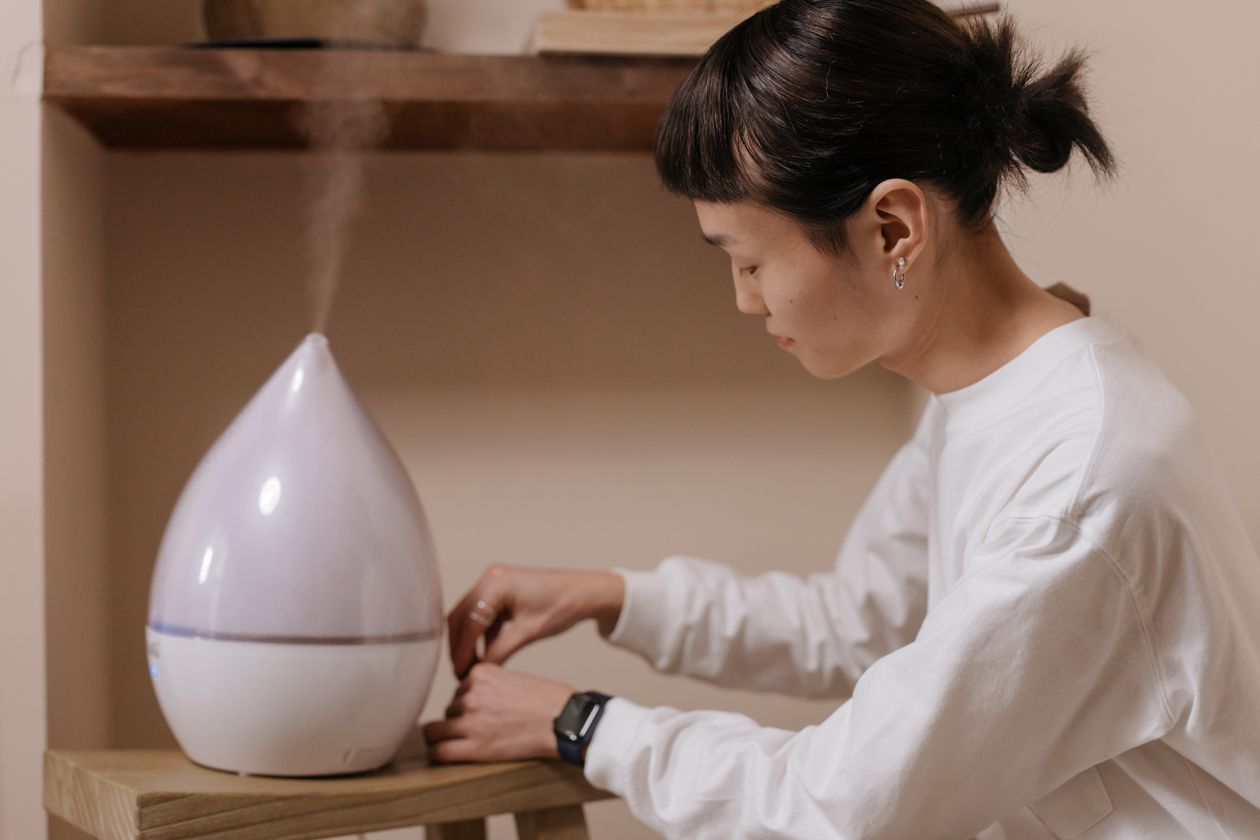
Aim for indoor humidity between about 30 and 50 percent. Below 30 percent, air feels dry and noses and skin can suffer. Above 50 to 60 percent, dust mites and mold can thrive, which is worse for babies than dry air. An inexpensive hygrometer, or a humidifier with a built-in humidistat, makes it easy to stay in range. Measuring first is the simplest way to answer do you need a humidifier for a baby in your own home.
How to Use a Humidifier Safely
- Place it out of reach, at least a few feet from the crib, on a stable surface.
- Keep cords away from the crib and secured out of reach.
- Do not point mist directly at the crib or bedding.
- Use distilled or demineralized water in ultrasonic models to reduce mineral dust.
- Turn it off if windows or walls show condensation.
- Never add essential oils unless the manufacturer and your pediatrician approve, as oils can irritate young airways.
Cleaning: The Most Important Step
A dirty humidifier can spread mold and bacteria into the air your baby breathes. Empty and rinse the tank daily, refill with fresh water, and clean thoroughly at least once a week following the manual, often with white vinegar to remove scale. Replace filters as recommended, and dry all parts before storing the unit. If you do not think you can keep up with cleaning, a humidifier may cause more problems than it solves.
Signs the Air in Your Home Is Too Dry
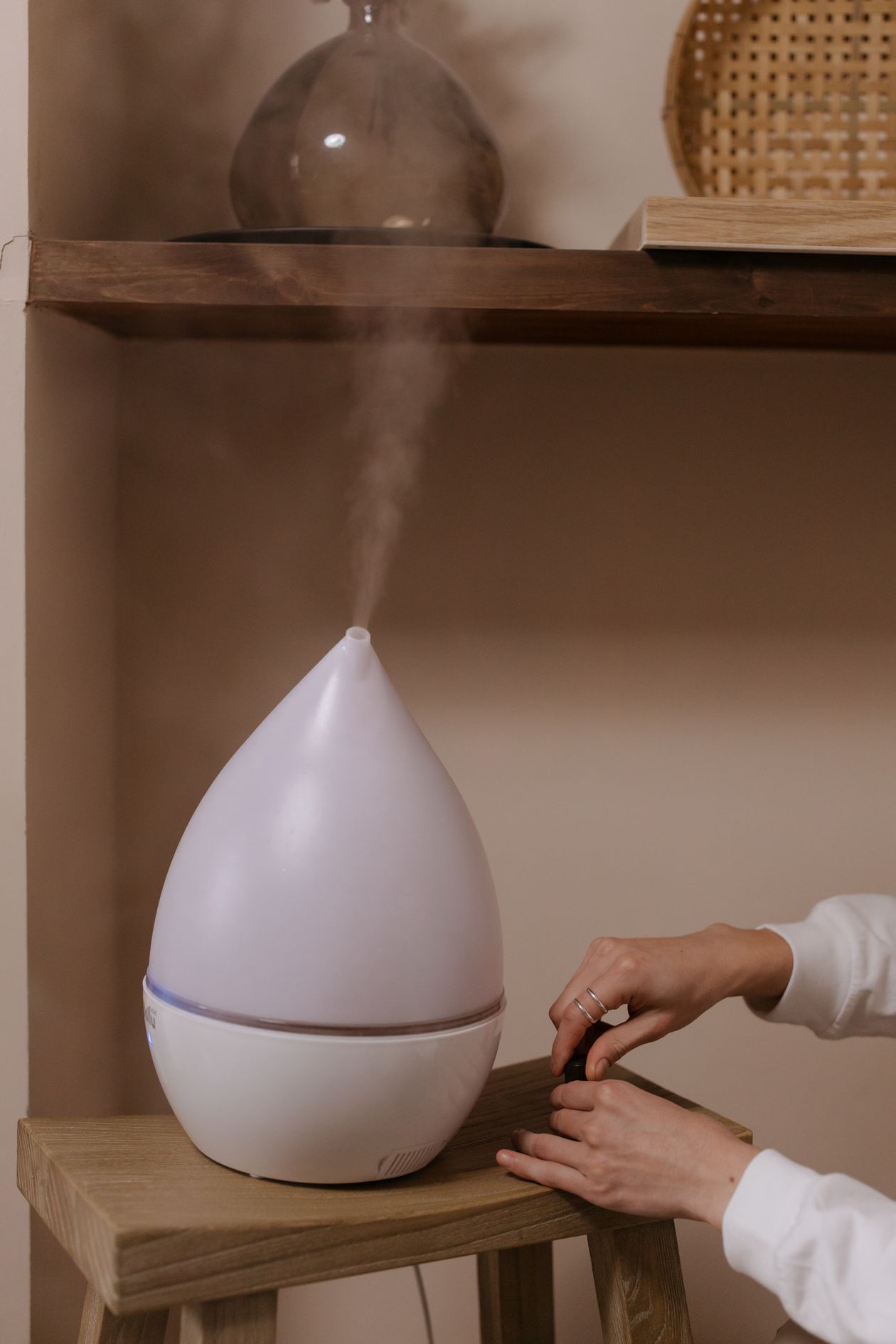
Before buying anything, look for clues. Static shocks when you touch door handles, cracked wooden furniture, dry or flaky patches on your baby’s cheeks, crusty nostrils in the morning, and your own dry throat after sleeping are all signs of low humidity. Houseplants that dry out quickly and windows that never fog up in winter also point to dry air.
If you notice several of these at once, a humidifier is more likely to help, and checking with a hygrometer will confirm it. These everyday clues make it easier to answer do you need a humidifier for a baby without guessing.
Humidifiers and Babies With Eczema or Allergies
Babies with dry, sensitive skin often benefit from slightly more humid air in winter, alongside a good fragrance-free moisturizer and lukewarm, short baths. However, babies with dust mite or mold allergies can react badly if the air becomes too humid, so keeping humidity at or below 50 percent matters even more. If your baby has a skin or breathing condition, ask your pediatrician whether a humidifier makes sense and what level to target. For many families, that conversation settles the question of do you need a humidifier for a baby once and for all.
How Long Will You Use It?
A good humidifier is not just a baby product. Many families keep using it through the toddler years and beyond, especially during cold and flu season, so it can be a worthwhile purchase if you live somewhere with long, dry winters. When parents ask do you need a humidifier for a baby, the long useful life of the device is often what tips the decision.
Alternatives to a Humidifier
If you are still asking do you need a humidifier for a baby, try simpler options first. Saline drops and a nasal aspirator help with stuffy noses. A steamy bathroom, created by running a hot shower with the door closed while you sit with your baby, offers short-term relief during colds. Fragrance-free moisturizer helps dry skin, and lowering the thermostat slightly can reduce winter dryness. Pair good air with a calm sleep setup; our guide to the best white noise machines covers another nursery essential.
What to Look For When Buying
- Cool-mist operation for safety.
- Easy-to-clean tank with a wide opening.
- Built-in humidistat or auto shut-off when the tank is empty.
- Quiet operation for naps and nights.
- Right size for your room’s square footage.
- Night light off option so it does not disrupt sleep.
Common Mistakes to Avoid
- Running it constantly without checking humidity.
- Using tap water in ultrasonic models with hard water.
- Skipping daily rinses and weekly cleaning.
- Placing it right next to the crib or on the floor where toddlers can reach it.
Shop This Guide
If you decide this gear is right for your family, these links show current options and prices. Check reviews, age and weight limits, and recall status before you buy.
As an Amazon Associate, we earn from qualifying purchases at no extra cost to you.
A Practical Scenario: A Dry Winter Nursery
Imagine parents in a cold northern city who notice their four-month-old waking with a stuffy nose and dry cheeks every morning once the heating comes on. They buy a hygrometer and find the nursery humidity at 22 percent. They add a small cool-mist humidifier on the dresser, set it to 40 percent, and rinse it every morning. Within a week their daughter sleeps more comfortably. For them, the answer to do you need a humidifier for a baby was yes, but only during the heating season.
Frequently Asked Questions
Do you need a humidifier for a baby?
Only if your home air is dry, usually below 30 percent humidity. Otherwise most babies do fine without one.
Is a cool-mist or warm-mist humidifier better for babies?
Cool-mist is recommended because warm-mist units carry a burn risk.
Can a humidifier help a baby with a cold?
Yes, moist air can ease congestion, alongside saline drops and suction.
How often should I clean a baby humidifier?
Rinse and refill daily and deep clean at least weekly.
Can I run a humidifier all night?
Yes, if humidity stays in the 30 to 50 percent range and the unit is clean and safely placed.
Final Thoughts: Do You Need a Humidifier for a Baby?
Do you need a humidifier for a baby? Not necessarily, but it is a smart, inexpensive addition when your home air is dry or your baby struggles with congestion in winter. Choose a cool-mist model, aim for 30 to 50 percent humidity, place it safely, and clean it consistently. If your humidity is already comfortable, save the money and skip it.
Sources & Expert References
- American Academy of Pediatrics (HealthyChildren.org)
- CDC Child Safety & Injury Prevention
- CPSC Nursery Product Safety
- Before you buy: Check the current recall list at CPSC.gov/Recalls, especially for secondhand or older gear.

About the Author
TheBabyGearList Team
TheBabyGearList is an independent baby-gear site. We put each guide together from manufacturer specifications, safety standards and guidance (AAP, CPSC, NHTSA and JPMA), and patterns in verified buyer reviews. We use AI writing tools to help draft guides and review every guide before it goes live. We have not hands-on tested every product we mention, so please check the manufacturer's current instructions and limits before you buy or use any gear, and talk to your pediatrician about health questions. Spotted something out of date? Tell us through the Contact page.