- Quick Answer: Jumper Readiness Checklist
- Types of Baby Jumpers
- How Long Should Babies Use a Jumper?
- Jumper Safety Rules
- Making Jumper Time Count
- Jumpers vs. Walkers
- Do Jumpers Help Babies Walk?
- Signs Your Baby Is Not Ready Yet
- Setting Up a Jumper Correctly
- When Can Babies Use a Jumper Compared With Other Gear?
- Buying Secondhand Jumpers
- Better Ways to Keep Your Baby Active
- A Practical Scenario: A Five-Month-Old Who Loves to Bounce
- Shop This Guide
- Frequently Asked Questions
- Final Thoughts: When Can Babies Use a Jumper?
- Free Newborn Gear Checklist
- Everything you need before baby arrives — get the free printable checklist, straight to your inbox.
As an Amazon Associate, we earn from qualifying purchases linked in this post.
When can babies use a jumper? Most baby jumpers are designed for babies from about 4 to 6 months old, once they have strong, steady head and neck control and can hold their head up without support. Your baby’s feet should touch the floor or base, and you should always follow the manufacturer’s age, weight, and height limits. Many babies outgrow jumpers once they start walking or reach the weight limit, usually by around 12 months.
Jumpers can be fun for babies who love to bounce, and they give parents a few hands-free minutes. However, pediatric experts recommend using them only for short, supervised sessions, because babies need plenty of free floor time to build the strength and coordination they use for crawling and walking. Below we explain readiness signs, jumper types, safety rules, time limits, and safer ways to keep your baby active.
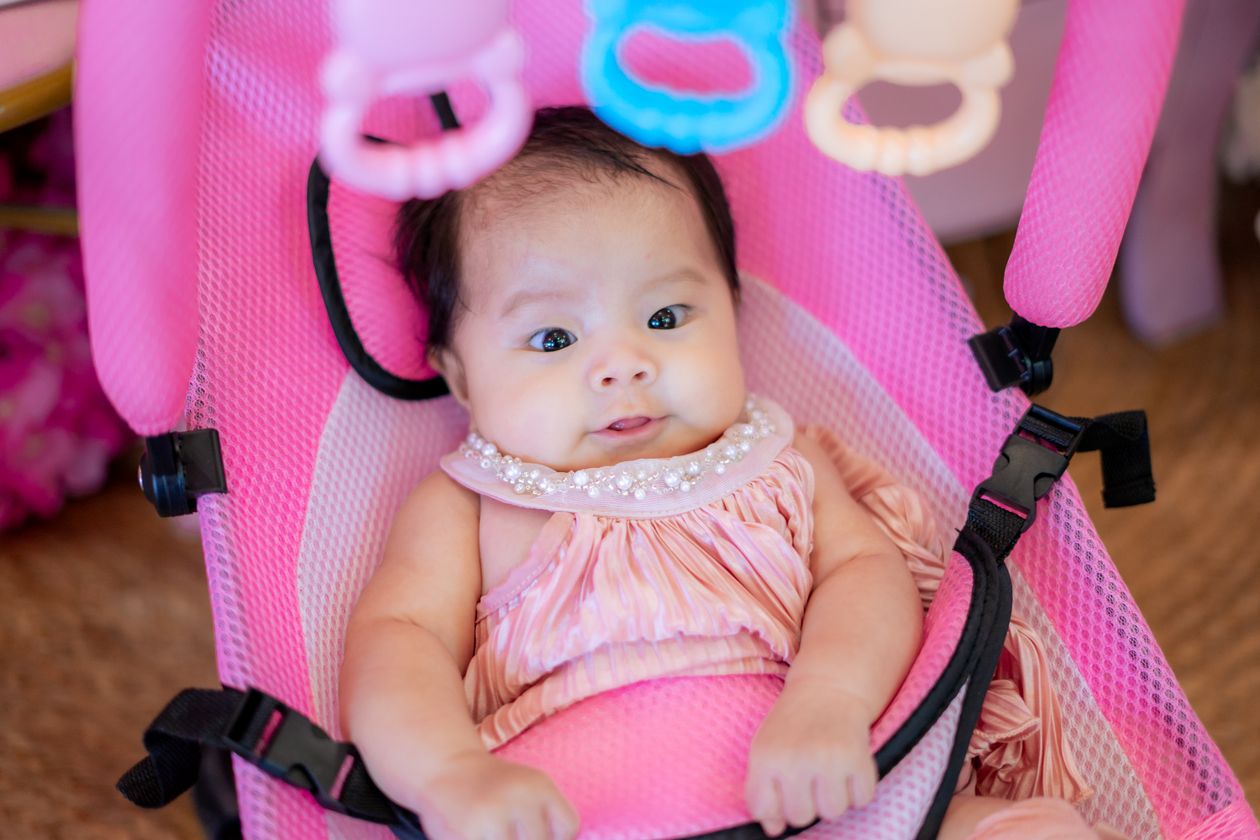
Quick Answer: Jumper Readiness Checklist
This table helps answer when can babies use a jumper based on milestones and product limits.
| Requirement | What to Look For | Typical Age |
|---|---|---|
| Head and neck control | Holds head steady without wobbling | 4–6 months |
| Fits the seat | Meets the product’s minimum weight and height | Varies by model |
| Feet reach the floor | Toes or feet touch the base when seated | Adjustable on most models |
| Not yet walking | Jumpers are for pre-walkers | Usually up to about 12 months |
Types of Baby Jumpers
Stationary Activity Jumpers
These freestanding jumpers have a seat suspended in a sturdy frame, often surrounded by toys. They do not move across the floor and are the most popular choice. Many parents find them easier to use safely than doorway models.
Doorway Jumpers
These hang from a door frame with a clamp and straps. They take less space but rely on secure installation, and babies can swing into the door frame. Check the door frame is sturdy, follow instructions exactly, and inspect the clamp before every use.
Activity Centers With Bounce
Some activity centers include a gentle bounce feature with a firm base. These often combine play and bouncing in one product.
How Long Should Babies Use a Jumper?
Most experts suggest limiting jumper time to about 15 to 20 minutes per session, a couple of times a day at most. Long periods in jumpers, bouncers, and other “containers” reduce the time babies spend on the floor rolling, reaching, crawling, and pulling up. These movements build core strength and balance. So when can babies use a jumper matters, but how long they use it matters just as much.
Jumper Safety Rules
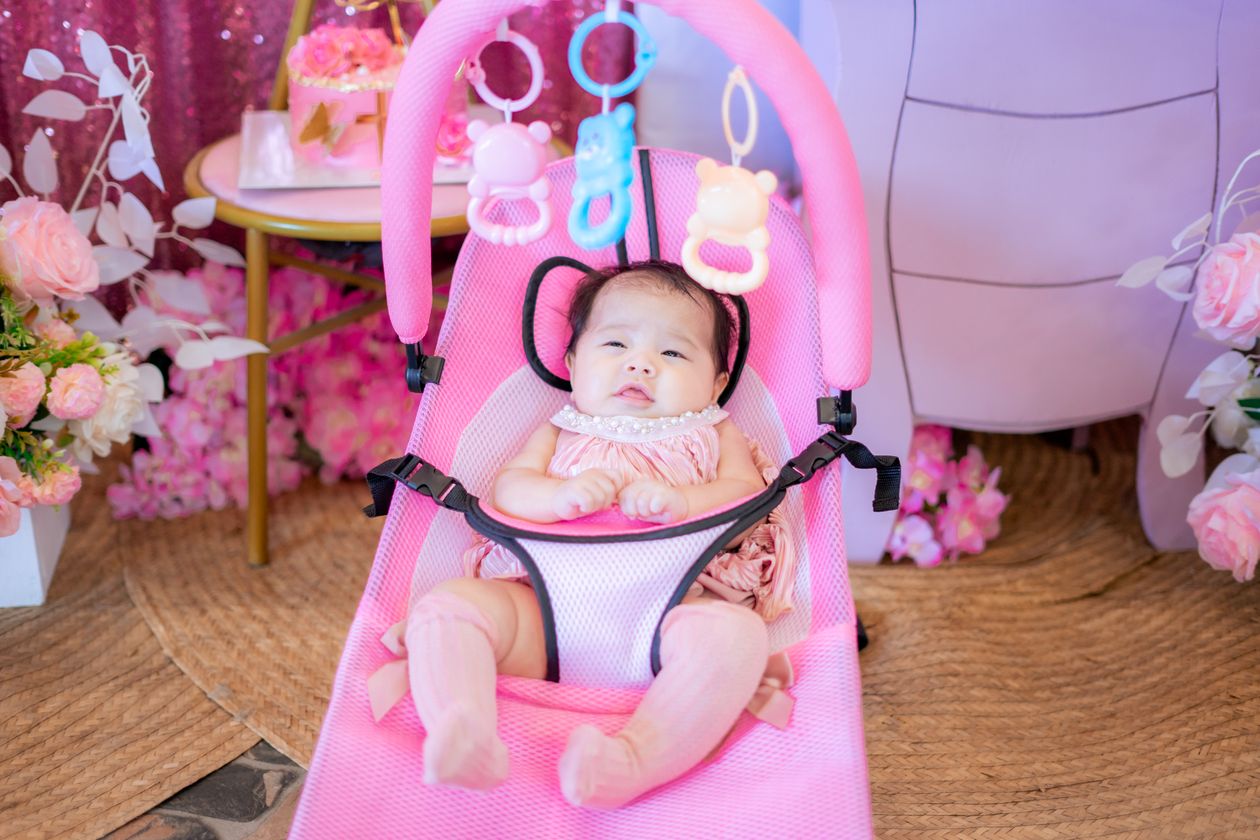
- Always supervise your baby in a jumper, staying in the same room.
- Follow age, weight, and height limits carefully.
- Adjust the height so feet touch the base without tiptoeing or deep knee bending.
- Place stationary jumpers away from stairs, tables, cords, and hot objects.
- Inspect doorway jumper clamps and straps every time.
- Stop using it if your baby seems tired, fussy, or slumps.
- Check for recalls and register your product.
Making Jumper Time Count
Use jumper sessions when you need a few safe minutes, such as making a meal, folding laundry, or taking a quick call in the same room. Chat with your baby, sing songs, or place a mirror nearby to keep them engaged. Rotate the attached toys to keep things interesting, and end the session while your baby is still enjoying it. Short, happy sessions keep the jumper a treat rather than a substitute for active play, and they give you a natural reminder to move your baby back to the floor afterward.
Jumpers vs. Walkers
Jumpers are different from wheeled walkers. Wheeled walkers let babies roll quickly across the room and are linked to many injuries, which is why the American Academy of Pediatrics recommends against them. Stationary jumpers keep babies in one place. You can read the AAP’s guidance in Baby Walkers: A Dangerous Choice, which also discusses stationary alternatives, and our guide asking are baby walkers safe.
Do Jumpers Help Babies Walk?
No. Jumpers are for fun, not development. Bouncing on tiptoes does not teach babies how to balance and step independently. In fact, too much time in jumpers may encourage toe-walking patterns in some babies. The best way to support walking is lots of floor time, tummy time, crawling, pulling to stand, and cruising along furniture.
Signs Your Baby Is Not Ready Yet
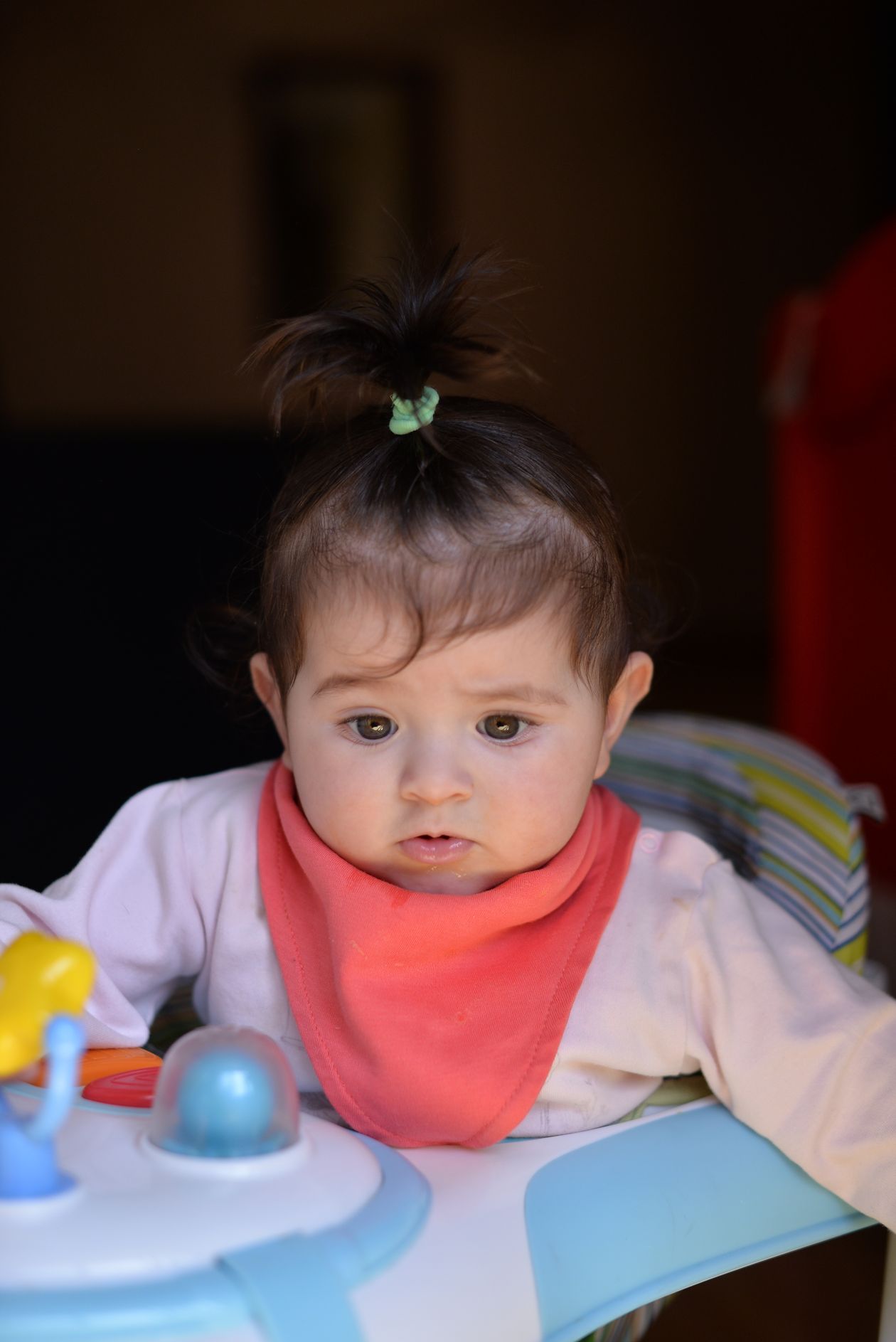
- Head wobbles or falls forward when bouncing.
- Slumping to one side in the seat.
- Feet cannot reach the base even at the lowest setting.
- Distress or crying soon after being placed in the jumper.
If you notice these signs, wait a few weeks and try again. Readiness varies, so when can babies use a jumper may be a little later for your child than the box suggests, and that is perfectly normal.
Setting Up a Jumper Correctly
Assemble the jumper exactly as the instructions describe, checking that every lock clicks into place. For stationary jumpers, place the frame on a flat, level floor away from furniture, windows, cords, and stairs. Adjust the seat height so your baby’s feet rest flat on the base with knees slightly bent; tiptoeing means the seat is too high, while deeply bent knees mean it is too low. Recheck the height every couple of weeks, because babies grow quickly. For doorway jumpers, choose a solid wooden door frame without trim that could slip, and test the clamp before placing your baby in the seat.
When Can Babies Use a Jumper Compared With Other Gear?
Different products have different starting points. Bouncers with a reclined seat can be used from birth for supervised awake time. Stationary activity centers and jumpers usually start around 4 to 6 months. Push walker toys are for babies who can pull to stand, often 9 months or later. Understanding when can babies use a jumper alongside other gear helps you plan a balanced mix of play.
Buying Secondhand Jumpers
Jumpers are commonly sold secondhand, which can save money. Check that the product has not been recalled, all parts and instructions are included, straps and springs show no wear, and the seat fabric is intact. Avoid older doorway jumpers with damaged clamps, and replace any worn parts with manufacturer-approved pieces only.
Better Ways to Keep Your Baby Active
- Tummy time on a play mat.
- Rolling and reaching games with toys just out of reach.
- Supported sitting practice with cushions around.
- Crawling tunnels and soft play shapes.
- Cruising along a sturdy couch with toys to motivate.
See our guides on how long babies use a play mat and the best baby play mats.
A Practical Scenario: A Five-Month-Old Who Loves to Bounce
Imagine a five-month-old with strong head control who giggles whenever his feet touch the floor. His parents buy a stationary jumper, set the height so his feet rest flat on the base, and use it for 15 minutes while they make breakfast, staying in the same room. The rest of his playtime happens on the floor. For them, the honest answer to when can babies use a jumper was five months, with short sessions.
Shop This Guide
If you decide this gear is right for your family, these links show current options and prices. Check reviews, age and weight limits, and recall status before you buy.
As an Amazon Associate, we earn from qualifying purchases at no extra cost to you.
Frequently Asked Questions
When can babies use a jumper safely?
Usually from about 4 to 6 months, once head control is strong and the product’s limits are met.
Are doorway jumpers safe?
They can be used with careful installation and supervision, but stationary jumpers are often simpler and safer.
Can jumpers hurt my baby’s hips or legs?
Short, properly adjusted sessions are generally fine; long use is not recommended.
When should my baby stop using a jumper?
When they reach the weight or height limit or begin walking, often around 12 months.
Final Thoughts: When Can Babies Use a Jumper?
When can babies use a jumper? Most babies are ready around 4 to 6 months, once they have strong head and neck control and fit the product’s guidelines. Choose a sturdy model, adjust it so feet touch the base, limit sessions to about 15 to 20 minutes, always supervise, and make sure your baby gets plenty of free floor play every day.
Sources & Expert References
- American Academy of Pediatrics (HealthyChildren.org)
- CDC Child Safety & Injury Prevention
- CPSC Nursery Product Safety
- Before you buy: Check the current recall list at CPSC.gov/Recalls, especially for secondhand or older gear.

About the Author
TheBabyGearList Team
TheBabyGearList is an independent baby-gear site. We put each guide together from manufacturer specifications, safety standards and guidance (AAP, CPSC, NHTSA and JPMA), and patterns in verified buyer reviews. We use AI writing tools to help draft guides and review every guide before it goes live. We have not hands-on tested every product we mention, so please check the manufacturer's current instructions and limits before you buy or use any gear, and talk to your pediatrician about health questions. Spotted something out of date? Tell us through the Contact page.