- Quick Answer: Walkers vs. Safer Alternatives
- Why Baby Walkers Are Dangerous
- What Safety Standards Cover
- Do Walkers Help Babies Walk Sooner?
- Safer Alternatives to Baby Walkers
- If You Already Own a Walker
- Common Walker Injuries
- What Pediatricians Recommend Instead
- How to Talk to Relatives About Walkers
- Childproofing Tips for Mobile Babies
- Walkers, Jumpers, and Other Baby Gear
- A Practical Scenario: A Gift Walker
- Shop This Guide
- Frequently Asked Questions
- Final Thoughts: Are Baby Walkers Safe?
- Free Newborn Gear Checklist
- Everything you need before baby arrives — get the free printable checklist, straight to your inbox.
As an Amazon Associate, we earn from qualifying purchases linked in this post.
Are baby walkers safe? No, according to the American Academy of Pediatrics. Traditional baby walkers, the wheeled seats that let babies scoot around before they can walk, are linked to thousands of injuries every year, mainly from falls down stairs, tip-overs, and reaching hazards such as hot drinks or cords. The AAP recommends that parents not use them and has called for a ban on their sale in the United States. Canada banned the sale of baby walkers in 2004.
Many parents assume walkers help babies learn to walk sooner. In reality, research suggests they do not speed up walking and may even delay some motor skills. Below we explain the risks, what the safety standards cover, the myths around walkers, and safer alternatives that support your baby’s development while keeping them out of harm’s way.
Quick Answer: Walkers vs. Safer Alternatives
This table summarizes the answer to are baby walkers safe compared with other options.
| Product | Moves Around? | Main Risks | AAP View |
|---|---|---|---|
| Wheeled baby walker | Yes, quickly | Stair falls, tip-overs, burns, poisoning | Not recommended |
| Stationary activity center | No | Limited if used briefly and supervised | Safer alternative |
| Push walker toy | Baby pushes while standing | Tipping if unstable; use on flat floors | Suitable for babies who can pull to stand |
| Floor play | Baby moves on their own | Very low with supervision | Best for development |
Why Baby Walkers Are Dangerous
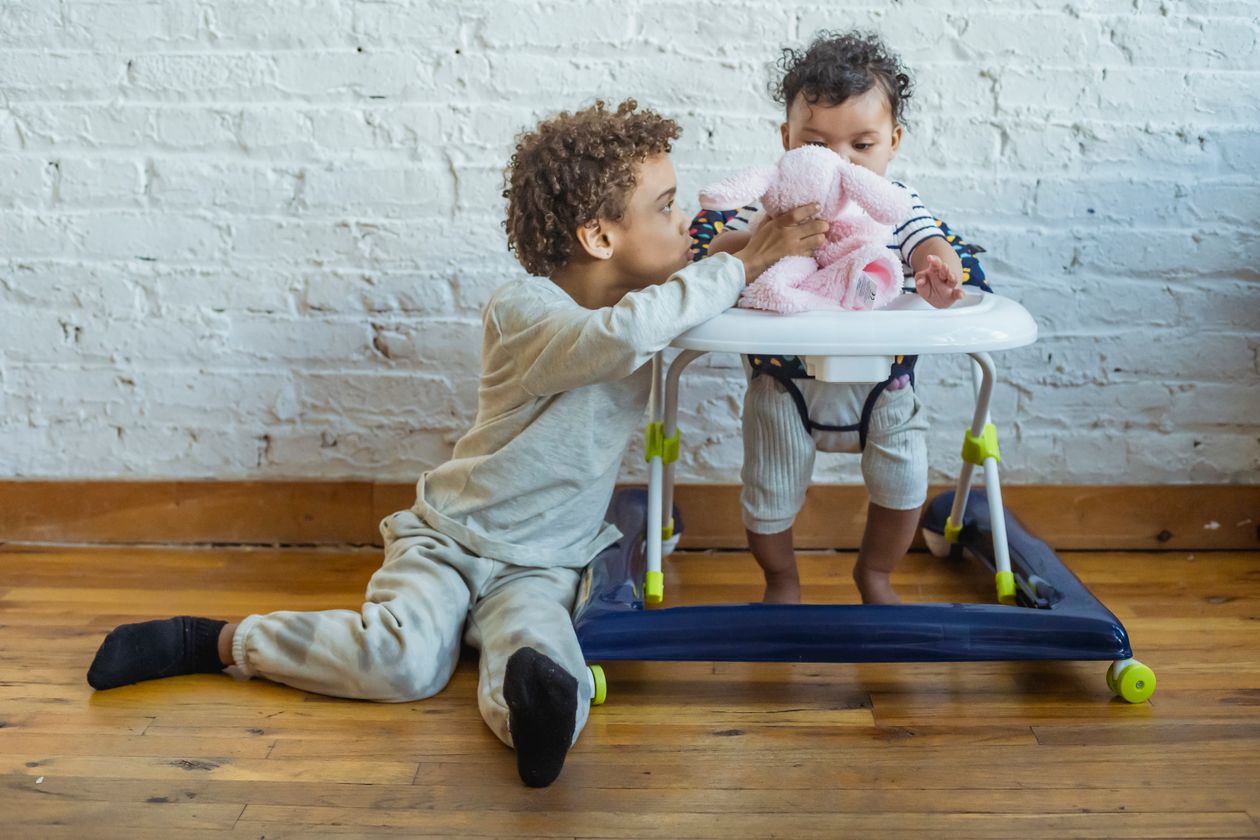
In a walker, a baby can move several feet per second, far faster than they could crawl. That speed gives parents almost no time to react. Babies in walkers can also reach higher than usual, grabbing hot coffee, pot handles, cords, medications, or cleaning products. The most serious injuries happen when walkers roll down stairs, often causing head injuries. The AAP explains these risks in its guide Baby Walkers: A Dangerous Choice. This is why most pediatricians give a clear no when parents ask are baby walkers safe.
What Safety Standards Cover
In the United States, a mandatory federal safety standard for baby walkers took effect in 2010. It requires features designed to stop a walker at the edge of a step, such as wider bases or gripping strips. Injuries dropped after these standards, but they did not disappear. Walkers still allow babies to reach hazards, tip over on uneven surfaces, and move into pools or fireplaces. Safety gates and supervision help, but accidents can happen in seconds.
Do Walkers Help Babies Walk Sooner?
This is the most common reason parents buy walkers, but evidence does not support it. Walkers let babies move without using the muscles and balance skills they need for independent walking. Babies in walkers often push with their toes and lean forward, rather than practicing standing and balancing. Some studies have found that walker use is associated with slightly later independent walking. Babies learn to walk best through floor time, crawling, pulling up, and cruising along furniture.
Safer Alternatives to Baby Walkers
Stationary Activity Centers
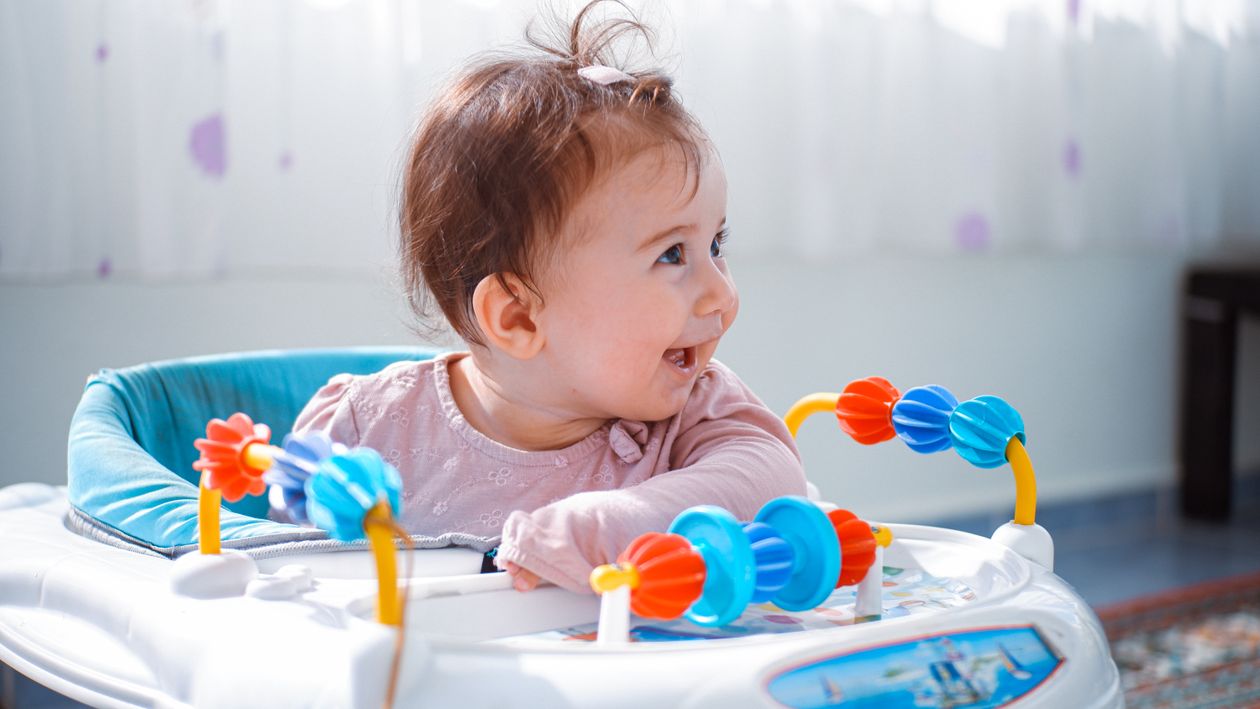
These have a seat and toys but no wheels, so babies can bounce, spin, and play without moving across the room. Use them for short periods of 15 to 20 minutes, and only once your baby has good head control. Keep them away from hot surfaces and dangling cords.
Push Walker Toys
Push toys, sometimes called sit-to-stand walkers, let babies who can already pull up practice walking while holding a handle. Choose a sturdy, wide-based model, use it on flat floors away from stairs, and supervise closely.
Floor Play
Floor time is the best way to build strength and coordination. Tummy time, rolling, crawling, and cruising along a couch all help babies prepare for walking. A play mat gives a clean, comfortable space. See our guide on how long babies use a play mat and our picks for the best baby play mats.
If You Already Own a Walker
The safest choice is to stop using it. If you do use one, make sure it meets current safety standards, never use it near stairs, keep it on flat surfaces, remove hazards within reach, and stay close at all times. Do not use secondhand walkers made before current standards, and check for recalls. Many parents decide that the honest answer to are baby walkers safe means it is simply not worth the risk.
Common Walker Injuries
Understanding the injuries helps explain why the answer to are baby walkers safe is so firm. The most serious are head and neck injuries from falling down stairs while in the walker, which can include skull fractures and concussions. Burns happen when babies reach hot drinks, stovetops, heaters, or fireplaces. Poisoning occurs when they grab medications, cleaning products, or other chemicals from tables or low shelves. Babies can also roll into pools or bathtubs, pinch fingers in the frame, or tip over at the edge of a rug or doorway threshold. Most of these injuries happen with an adult nearby, showing how quickly things can go wrong.
What Pediatricians Recommend Instead
Pediatricians encourage plenty of “free play” on the floor, where babies use their own strength to roll, sit, crawl, and pull up. Let your baby practice standing by holding onto sturdy furniture, and encourage cruising by placing toys a short distance away along the couch. Barefoot time indoors helps babies feel the floor and improve balance. These natural steps build exactly the skills babies need, which is another reason experts say no when asked are baby walkers safe.
How to Talk to Relatives About Walkers
Grandparents and friends may remember using walkers and wonder why parents avoid them today. A kind explanation that safety advice has changed as research improved usually helps. You can share the AAP guidance and suggest a safer gift, such as a push toy, a stationary activity center, or a play mat. Explaining the facts makes the conversation about are baby walkers safe less personal and more about current knowledge.
Childproofing Tips for Mobile Babies
- Install safety gates at the top and bottom of stairs.
- Anchor furniture to the wall to prevent tip-overs.
- Move hot drinks and cords out of reach.
- Lock cabinets with cleaning products and medications.
- Cover outlets and secure blind cords.
- Keep small objects off the floor.
Walkers, Jumpers, and Other Baby Gear
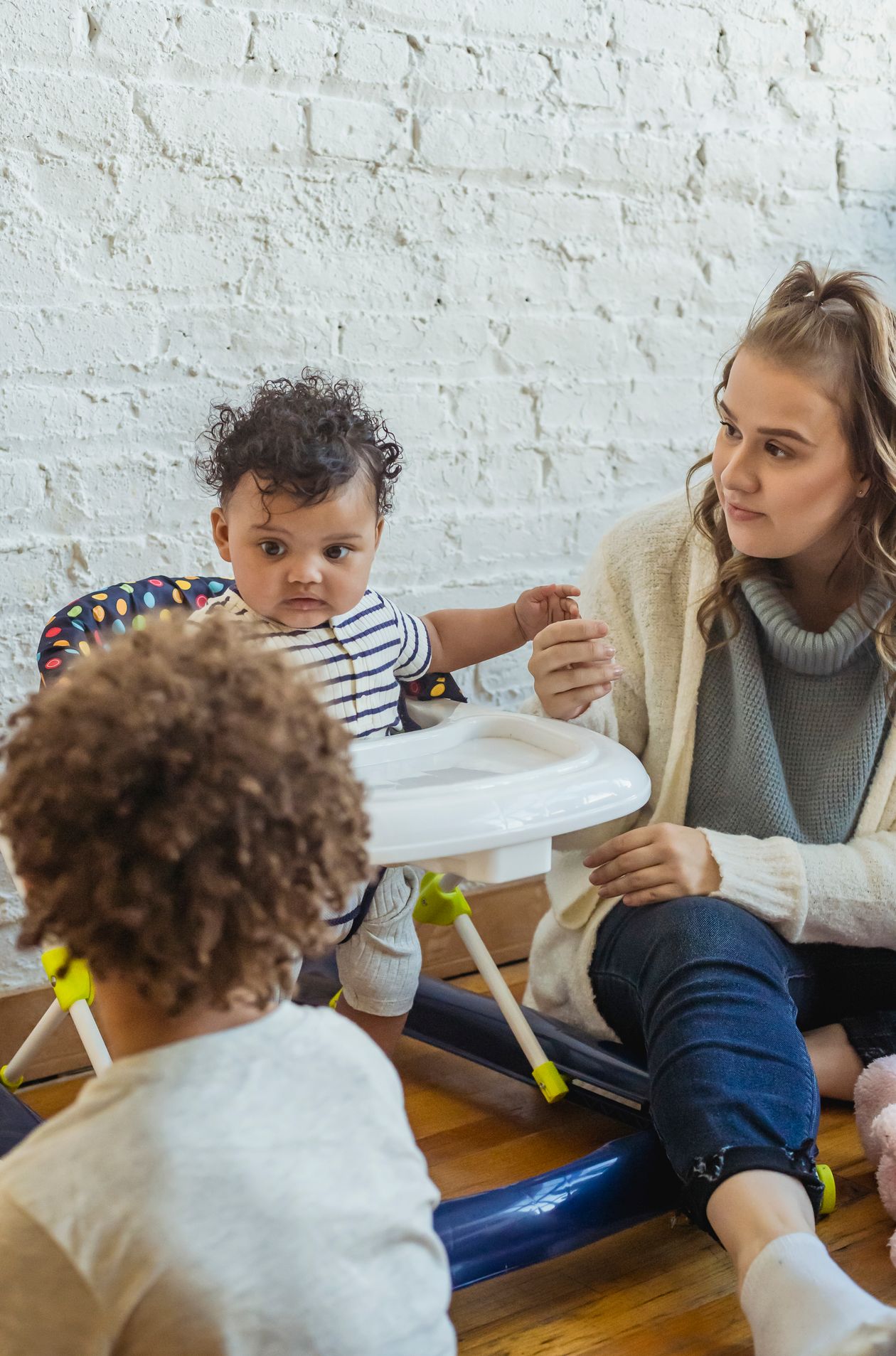
Walkers are part of a broader group of “containers” such as jumpers, bouncers, and activity centers. Even safer options should be used in moderation, since babies need plenty of free movement. A good rule is to limit time in any seated container to short sessions and balance it with lots of supervised floor play.
A Practical Scenario: A Gift Walker
Imagine a family receives a wheeled walker as a gift for their seven-month-old. After reading the AAP guidance, they return it and choose a stationary activity center for short play sessions and a sturdy push toy for when their baby starts pulling up. They also install stair gates. For them, the answer to are baby walkers safe was clear, and the alternatives kept play fun.
Shop This Guide
If you decide this gear is right for your family, these links show current options and prices. Check reviews, age and weight limits, and recall status before you buy.
As an Amazon Associate, we earn from qualifying purchases at no extra cost to you.
Frequently Asked Questions
Are baby walkers safe if I supervise?
Supervision helps, but walkers move so fast that injuries can happen before you can react.
Do walkers delay walking?
They do not speed walking and may slightly delay some motor milestones.
Are push walkers safe?
Sturdy push toys are generally fine for babies who can pull to stand, used on flat floors with supervision.
When do most babies start walking?
Most babies take their first independent steps between about 9 and 15 months, and many walk well by 18 months. Ask your pediatrician if you have concerns.
Why did Canada ban baby walkers?
Because of the high number of injuries, Canada banned their sale, import, and advertising in 2004.
Final Thoughts: Are Baby Walkers Safe?
Are baby walkers safe? Leading pediatric experts say no: wheeled walkers cause many preventable injuries and do not help babies walk sooner. Choose stationary activity centers for short play, sturdy push toys once your baby pulls to stand, and plenty of supervised floor time, and childproof your home as your baby becomes mobile.
Sources & Expert References
- American Academy of Pediatrics (HealthyChildren.org)
- CDC Child Safety & Injury Prevention
- CPSC Nursery Product Safety
- Before you buy: Check the current recall list at CPSC.gov/Recalls, especially for secondhand or older gear.

About the Author
TheBabyGearList Team
TheBabyGearList is an independent baby-gear site. We put each guide together from manufacturer specifications, safety standards and guidance (AAP, CPSC, NHTSA and JPMA), and patterns in verified buyer reviews. We use AI writing tools to help draft guides and review every guide before it goes live. We have not hands-on tested every product we mention, so please check the manufacturer's current instructions and limits before you buy or use any gear, and talk to your pediatrician about health questions. Spotted something out of date? Tell us through the Contact page.