- Quick Answer by Stage
- Why Barefoot Is Best for Learning to Walk
- Pre-Walkers: Socks and Booties
- First Walkers: Soft-Soled Shoes
- What to Look For in First Shoes
- How to Check the Fit
- Common Mistakes to Avoid
- When Should Babies Wear Shoes Indoors?
- Signs Your Child Needs a New Pair
- Walking Milestones and Foot Shape
- Budget Tips
- Shoes for Daycare and Outdoors
- Helping Your Toddler Get Used to Shoes
- Related Toddler Guides
- A Practical Scenario: A Twelve-Month-Old Walker
- Shop This Guide
- Frequently Asked Questions
- Final Thoughts: When Should Babies Wear Shoes?
- Free Newborn Gear Checklist
- Everything you need before baby arrives — get the free printable checklist, straight to your inbox.
As an Amazon Associate, we earn from qualifying purchases linked in this post.
When should babies wear shoes? Babies do not need shoes until they start walking outdoors, which usually happens somewhere between 9 and 18 months. Indoors, going barefoot is best for learning to walk, because bare feet help babies feel the ground, build foot muscles, and improve balance. Before walking, soft socks or booties are enough to keep little feet warm, and shoes are mainly for protection on rough, hot, cold, or dirty surfaces.
Many parents buy tiny shoes early because they look adorable, but stiff shoes can actually make early walking harder. Below we explain each stage, from pre-walkers to confident toddlers, what to look for in a first pair of shoes, how to check the fit, and common mistakes to avoid.
Quick Answer by Stage
This table gives a quick answer to when should babies wear shoes at each stage of development.
| Stage | Typical Age | Footwear Advice |
|---|---|---|
| Non-mobile baby | 0–6 months | Socks or booties for warmth only |
| Crawling and pulling up | 6–12 months | Barefoot indoors; non-slip socks if floors are cold |
| Cruising and first steps | 9–15 months | Barefoot indoors; soft-soled shoes outdoors |
| Confident walker | 12–18 months+ | Flexible, lightweight shoes with grip for outdoors |
Why Barefoot Is Best for Learning to Walk
Babies’ feet are soft and flexible, with bones that are still developing. Walking barefoot lets them grip the floor with their toes, sense texture and temperature, and strengthen the muscles and arches of their feet. Pediatric and podiatry experts generally recommend barefoot time indoors on safe surfaces as much as possible. Shoes are for protection, not for “supporting” the foot or correcting how babies walk. The American Podiatric Medical Association offers guidance on children’s foot health and choosing footwear.
Pre-Walkers: Socks and Booties
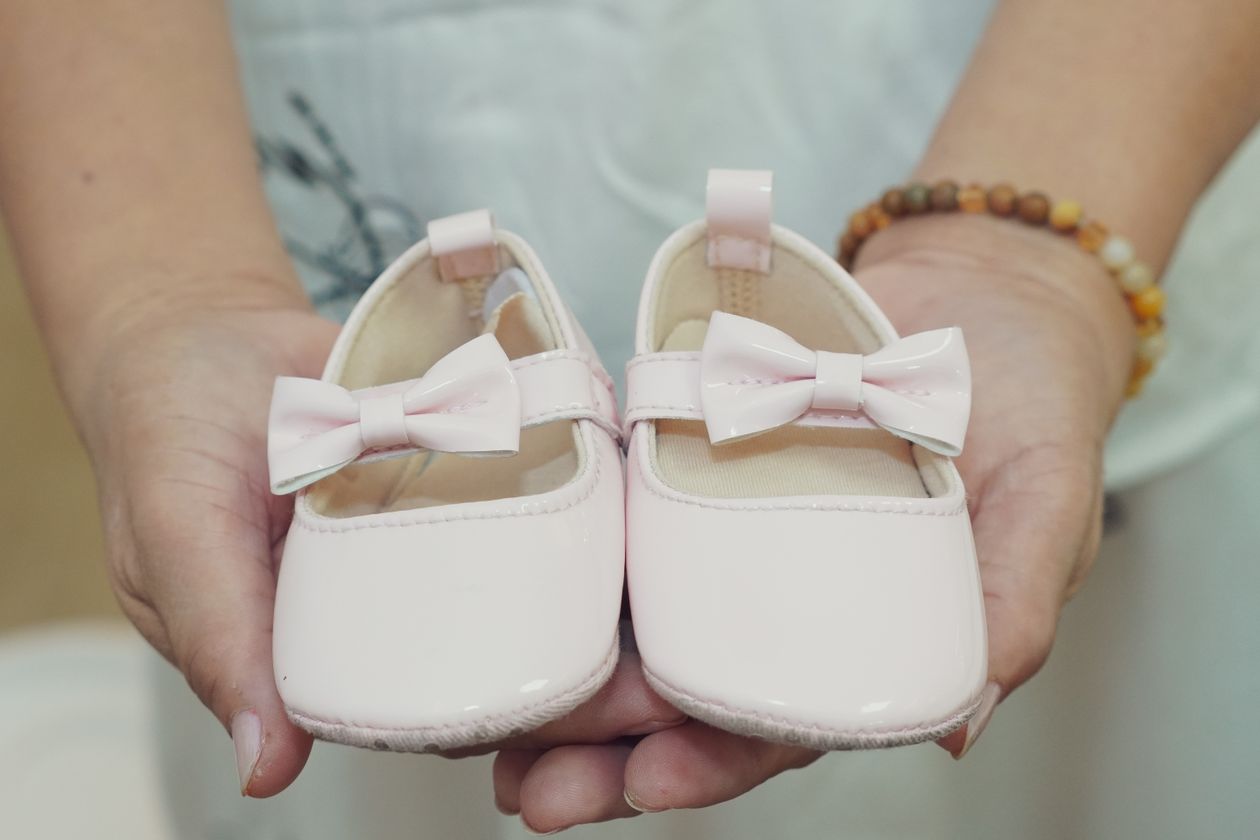
Before your baby walks, they do not need shoes at all. Soft socks or booties keep feet warm in cold weather. Make sure they are not too tight around the ankle or toes, and choose non-slip socks for babies who are pulling up or cruising on smooth floors. Soft-soled crib shoes are optional and mostly decorative.
First Walkers: Soft-Soled Shoes
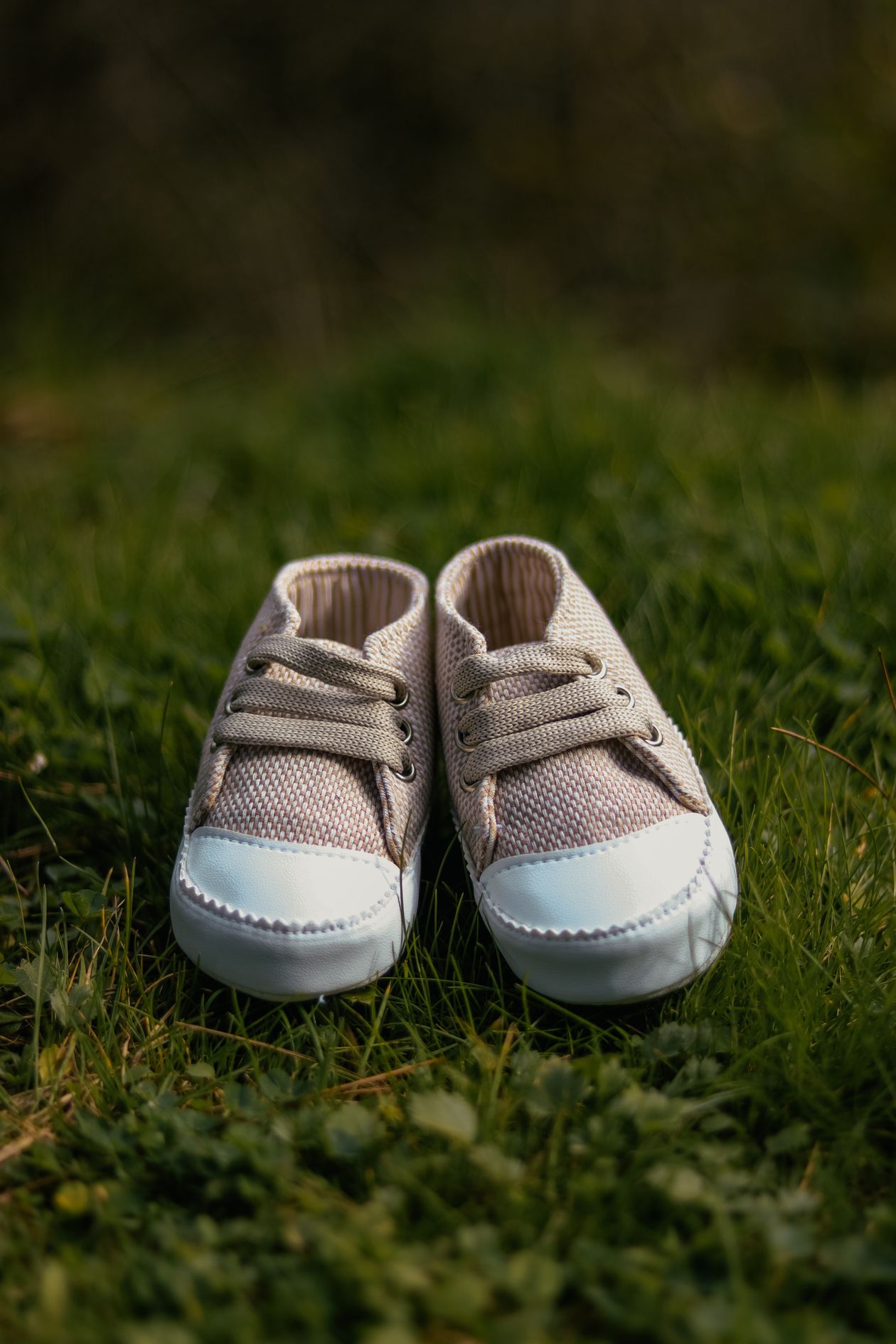
Once your baby takes their first steps and starts walking outside, it is time for a first pair of shoes. Look for very flexible, lightweight shoes with soft soles that bend easily. These protect feet from sharp objects, heat, and cold while still letting babies feel the ground. This is the stage most experts mean when they answer when should babies wear shoes.
What to Look For in First Shoes
- Flexible sole: you should be able to bend the shoe easily at the ball of the foot.
- Lightweight materials: breathable leather, canvas, or mesh.
- Non-slip, thin sole with good grip.
- Wide toe box: toes should wiggle freely.
- Secure fastening: Velcro straps or laces that keep the shoe on.
- Flat design: no raised heels or rigid arch supports.
How to Check the Fit
- Measure both feet while your child is standing, as feet spread under weight.
- Leave about a thumb’s width, roughly half an inch, between the longest toe and the front of the shoe.
- Check the width: you should be able to pinch a small amount of material at the widest part.
- Look at the heel: it should not slip out when your child walks.
- Check for red marks after wearing, which may mean the shoe is too tight.
Babies’ feet grow quickly, often a half size every two to three months in the early toddler years. Check the fit regularly.
Common Mistakes to Avoid
- Buying shoes too early for a baby who is not walking.
- Choosing stiff soles or high-top boots for early walkers.
- Buying too big to “grow into,” which can cause tripping.
- Using hand-me-down shoes that have molded to another child’s foot.
- Wearing shoes indoors all day, limiting barefoot practice.
When Should Babies Wear Shoes Indoors?
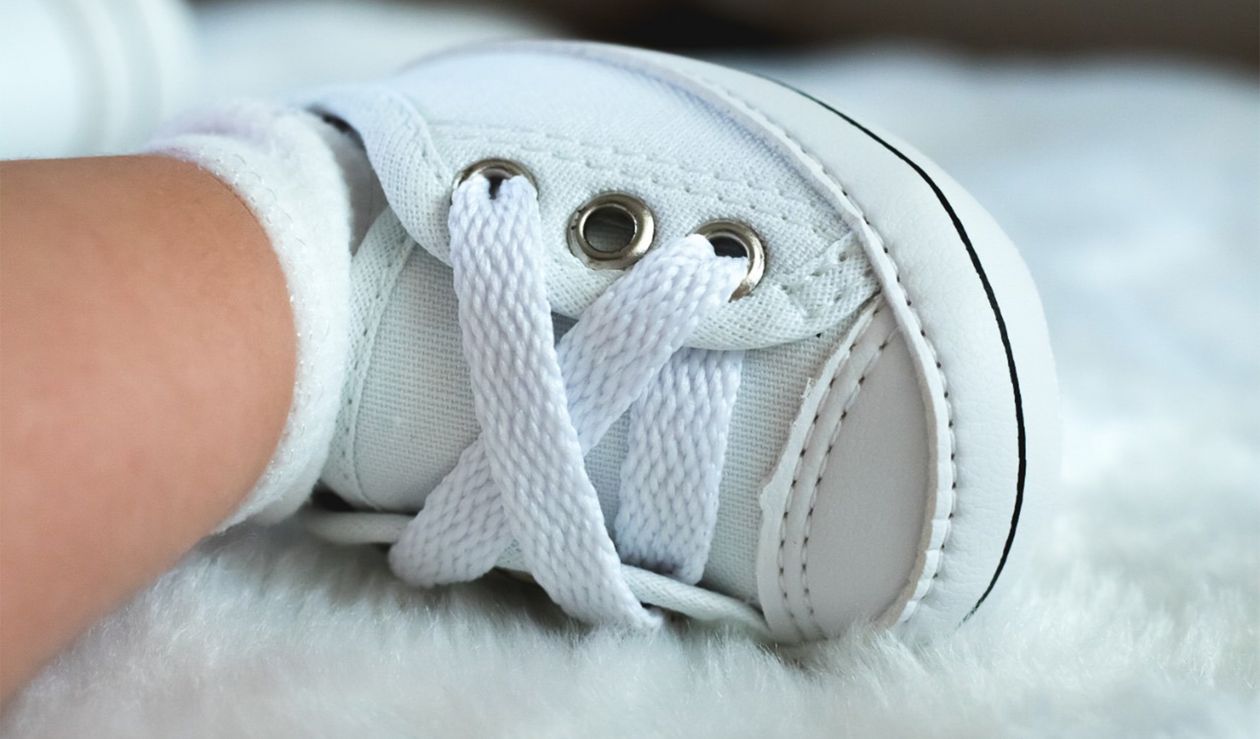
For most babies, the answer is rarely. Indoors on clean, safe floors, bare feet are ideal. If your floors are very cold, slippery, or rough, non-slip socks or soft leather slippers with flexible soles are a good compromise. Some families keep a “shoes off” rule at home, which naturally gives toddlers plenty of barefoot time. If your child attends a daycare where shoes are worn indoors, choose the most flexible pair you can find so their feet still move naturally.
Signs Your Child Needs a New Pair
- Toes reach the front of the shoe when standing.
- Red marks or blisters appear after wearing.
- Your child resists putting shoes on or takes them off often.
- The shoe is worn unevenly or the sole has lost its grip.
- Straps no longer fasten comfortably across the top of the foot.
Walking Milestones and Foot Shape
Many new walkers look flat-footed, bow-legged, or walk with toes slightly turned in or out. These patterns are usually normal and tend to improve as children grow, regardless of the shoes they wear. Most toddlers develop a visible arch by around age five or six. Talk to your pediatrician if your child walks only on their toes after age two, limps, seems to be in pain, or has one foot that looks very different from the other. Understanding normal development helps parents relax about when should babies wear shoes and what kind they need.
Budget Tips
Because toddlers outgrow shoes so quickly, there is no need to buy expensive designer pairs. One well-fitting pair for everyday outdoor use, plus perhaps sandals or boots for the season, is usually enough. Shop at stores that measure feet, or measure at home with a printable guide. Avoid buying multiple pairs in advance, since growth is hard to predict. Keeping things simple makes when should babies wear shoes an easy and affordable stage.
Shoes for Daycare and Outdoors
Many daycares and preschools require shoes for outdoor play. Choose comfortable, easy-on shoes your child can wear for hours. In hot weather, breathable sandals with closed toes protect feet on playgrounds. In cold or wet weather, waterproof but flexible boots work well for short outings. Ask your daycare about indoor shoe policies.
Helping Your Toddler Get Used to Shoes
Some toddlers love their first shoes, while others pull them off immediately. Let your child wear new shoes for short periods at home first so they get used to the feeling. Make shoes part of a fun routine, such as putting them on right before going to the park. Choose shoes your child can help fasten, which builds independence. If your child walks awkwardly at first, that is normal; give them a few days to adjust before deciding the pair does not fit.
Related Toddler Guides
Getting ready for a mobile toddler? See our guide asking are baby walkers safe, our tips on when babies can use a jumper, and our guide on when a baby can face forward in a stroller.
A Practical Scenario: A Twelve-Month-Old Walker
Imagine a baby who takes her first independent steps at 12 months. Her parents keep her barefoot at home and buy one pair of flexible, soft-soled shoes for walks to the park and visits to the store. They measure her feet every two months and size up when the thumb-width space disappears. For them, the honest answer to when should babies wear shoes was once she started walking outside.
Shop This Guide
If you decide this gear is right for your family, these links show current options and prices. Check reviews, age and weight limits, and recall status before you buy.
As an Amazon Associate, we earn from qualifying purchases at no extra cost to you.
Frequently Asked Questions
When should babies wear shoes for the first time?
When they begin walking outdoors, usually between 9 and 18 months.
Do shoes help babies walk?
No. Barefoot practice is best; shoes are for protection.
Are baby crib shoes necessary?
No. They are mostly decorative for non-walking babies.
How often should I buy new shoes?
Check fit every two to three months, as toddler feet grow quickly.
Final Thoughts: When Should Babies Wear Shoes?
When should babies wear shoes? Only once they start walking outdoors, usually between 9 and 18 months. Keep babies barefoot indoors as much as possible, use socks or booties for warmth before walking, choose flexible, lightweight shoes with room to grow, and check the fit often as little feet grow fast.
Sources & Expert References
- American Academy of Pediatrics (HealthyChildren.org)
- CDC Child Safety & Injury Prevention
- CPSC Nursery Product Safety
- Before you buy: Check the current recall list at CPSC.gov/Recalls, especially for secondhand or older gear.

About the Author
TheBabyGearList Team
TheBabyGearList is an independent baby-gear site. We put each guide together from manufacturer specifications, safety standards and guidance (AAP, CPSC, NHTSA and JPMA), and patterns in verified buyer reviews. We use AI writing tools to help draft guides and review every guide before it goes live. We have not hands-on tested every product we mention, so please check the manufacturer's current instructions and limits before you buy or use any gear, and talk to your pediatrician about health questions. Spotted something out of date? Tell us through the Contact page.