- Quick Comparison: Swing vs. Alternatives
- Benefits of a Baby Swing
- Drawbacks
- Swing Safety Rules
- How Long Do Babies Use a Swing?
- Types of Swings
- Alternatives to a Baby Swing
- How to Decide
- Do You Need a Baby Swing for Colic?
- Setting Up the Swing Safely at Home
- Budget and Secondhand Tips
- Shop This Guide
- A Practical Scenario: Parents of a Six-Week-Old
- Frequently Asked Questions
- Final Thoughts: Do You Need a Baby Swing?
- Free Newborn Gear Checklist
- Everything you need before baby arrives — get the free printable checklist, straight to your inbox.
As an Amazon Associate, we earn from qualifying purchases linked in this post.
Do you need a baby swing? No, a baby swing is not essential, but many parents find one helpful for calming a fussy baby and getting a few hands-free minutes. Swings tend to be most useful in the first three to six months, especially for babies who love motion. Others never take to them. If your budget or space is limited, it is perfectly fine to skip a swing, borrow one, or wait to see if your baby needs it.
The most important rule is that a swing is for supervised awake time, not sleep. Babies who fall asleep in a swing should be moved to a flat, firm crib or bassinet. Below we cover the pros and cons of baby swings, safety rules, how long babies use them, alternatives that cost less or take up less space, and how to decide if a swing fits your family.

Quick Comparison: Swing vs. Alternatives
This table helps answer do you need a baby swing by comparing it with other soothing options.
| Option | Typical Age | Pros | Cons |
|---|---|---|---|
| Baby swing | Birth to about 6 months or weight limit | Hands-free motion, music, multiple speeds | Bulky, pricey, not for sleep |
| Bouncer | Birth to about 6 months | Light, portable, cheaper | Baby must bounce or be bounced |
| Baby carrier | Birth and up | Closeness, motion while you move | Not hands-free for rest |
| Play mat | Birth and up | Encourages movement and tummy time | Does not soothe fussy babies the same way |
| White noise | Birth and up | Calms many babies, cheap | No motion |
Benefits of a Baby Swing
- Soothing motion: many babies calm quickly with gentle swinging.
- Hands-free time: a few minutes to eat, shower, or care for a sibling.
- Multiple settings: speeds, directions, music, and white noise.
- Help during the fussy period: often peaking around 6 to 8 weeks.
Drawbacks
- Cost: full-size swings can be expensive for a short use period.
- Space: many swings have a large footprint.
- Not every baby likes them: some babies prefer being held.
- Short lifespan: most babies outgrow swings by around 6 months or when they try to sit up.
These factors explain why the honest answer to do you need a baby swing is often “maybe.”
Swing Safety Rules
- Never let your baby sleep in a swing. Inclined seats can let a baby’s head slump forward and restrict breathing.
- Always use the harness, every time.
- Stay nearby and keep your baby in view.
- Use the most reclined setting for young babies, as the manual directs.
- Follow weight limits and stop once your baby can sit up or tries to climb out.
- Place the swing on the floor, never on raised surfaces.
- Check for recalls and register your product.
Safe sleep guidance from the American Academy of Pediatrics explains why sitting devices are not safe for sleep; see the AAP parent guide to safe sleep.
How Long Do Babies Use a Swing?
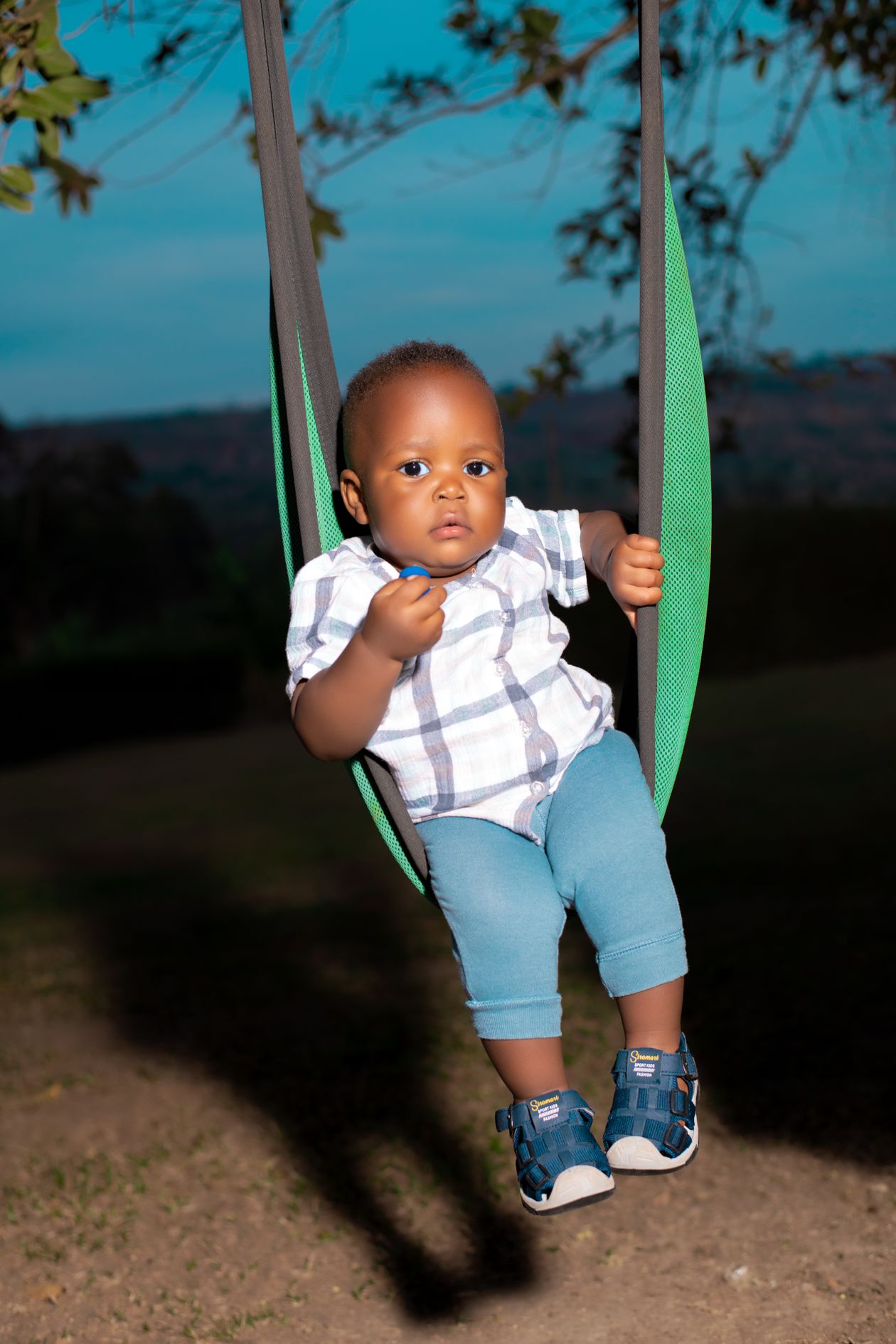
Most babies use a swing from the newborn weeks until around 6 months, or until they reach the weight limit, often 20 to 30 pounds depending on the model. Once babies can sit up unassisted or try to roll or climb, it is time to stop. Because the use period is short, many families buy secondhand or borrow from friends, after checking for recalls and missing parts.
Types of Swings
- Full-size swings: sturdy, with many motion settings, but large.
- Compact or portable swings: smaller footprint and easier to move or travel with.
- Smart swings: app-controlled with varied motions, typically the most expensive.
- Swing and bouncer combos: convert between functions for more flexibility.
Compare models in our guide to the best baby swings.
Alternatives to a Baby Swing
If you decide you do not need a swing, try babywearing in a soft carrier, gentle rocking in a nursery glider, a lightweight bouncer, or white noise. Many parents find that a combination of a carrier and white noise covers the same fussy moments. See our guides on whether you need a white noise machine and our list of the best baby play mats for floor time.

How to Decide
Ask yourself a few questions. Does your baby calm with motion, such as car rides or rocking? Do you need hands-free time, perhaps because you have older children? Do you have space for a swing? Is your budget flexible? If the answers are mostly yes, a swing may be worth it. If not, try a borrowed swing first. Thinking through these questions makes do you need a baby swing an easier decision.
Do You Need a Baby Swing for Colic?
Babies with colic cry for long periods despite being fed, changed, and comfortable. Rhythmic motion and white noise help some colicky babies settle, so a swing can be a useful tool during these weeks. However, a swing is not a treatment for colic, and you should talk to your pediatrician about persistent crying. If your baby falls asleep in the swing, move them to a flat crib or bassinet. For parents of colicky babies, the answer to do you need a baby swing is more often yes, as long as it is used for awake time.
Setting Up the Swing Safely at Home
Place the swing on a flat floor away from stairs, windows with cords, heaters, and furniture your baby could reach. Keep pets and older siblings from pushing it. Start on the lowest speed so your baby can get used to the motion, and increase it only if they seem calm and comfortable. Limit each session to about 20 to 30 minutes, and give your baby plenty of floor time and tummy time during the day so they can build strength. A swing works best as one part of a varied day, not the main place your baby spends awake time.
Budget and Secondhand Tips
Because swings are used for only a few months, buying secondhand or borrowing is a great way to save. Check that the model is not recalled, the harness and motor work, all parts are present, and the frame is stable. Battery-only swings can be costly to run, so models with a plug-in option save money over time.
Shop This Guide
If you decide this gear is right for your family, these links show current options and prices. Check reviews, age and weight limits, and recall status before you buy.
Want our top picks? Read our guide to the best baby swing.
As an Amazon Associate, we earn from qualifying purchases at no extra cost to you.
A Practical Scenario: Parents of a Six-Week-Old
Imagine parents whose six-week-old fusses every evening and calms in the car. They borrow a friend’s swing, use it for 20-minute stretches while they cook dinner, and move the baby to the bassinet whenever she dozes off. By four months, she prefers floor play, and they return the swing. For them, the honest answer to do you need a baby swing was yes, briefly.
Frequently Asked Questions
Do you need a baby swing for a newborn?
No, but it can help soothe some newborns during fussy evenings.
Can my baby sleep in a swing?
No. Move your baby to a flat, firm crib or bassinet for sleep.
How long can a baby stay in a swing?
Short, supervised periods are best, often 20 to 30 minutes at a time.
When should my baby stop using a swing?
Stop when your baby reaches the weight limit, can sit up unassisted, or tries to climb out, often around 6 months.
Is a swing or bouncer better?
Swings offer hands-free motion; bouncers are smaller, cheaper, and portable.
Final Thoughts: Do You Need a Baby Swing?
Do you need a baby swing? Not necessarily. A swing can be a helpful tool for soothing a fussy baby and giving you a few hands-free minutes, but it is not essential and should never be used for sleep. Try borrowing one first, follow safety rules, and consider alternatives like a carrier, bouncer, or white noise.
Sources & Expert References
- American Academy of Pediatrics (HealthyChildren.org)
- CDC Child Safety & Injury Prevention
- CPSC Nursery Product Safety
- Before you buy: Check the current recall list at CPSC.gov/Recalls, especially for secondhand or older gear.

About the Author
TheBabyGearList Team
TheBabyGearList is an independent baby-gear site. We put each guide together from manufacturer specifications, safety standards and guidance (AAP, CPSC, NHTSA and JPMA), and patterns in verified buyer reviews. We use AI writing tools to help draft guides and review every guide before it goes live. We have not hands-on tested every product we mention, so please check the manufacturer's current instructions and limits before you buy or use any gear, and talk to your pediatrician about health questions. Spotted something out of date? Tell us through the Contact page.