- Why It Works for Many Babies
- Safe Volume and Placement
- Alternatives Worth Considering
- Weaning Off White Noise Later
- Shop This Guide
- Frequently Asked Questions
- Bottom Line: Do You Need a White Noise Machine?
- Choosing the Right Sound Type
- Free Newborn Gear Checklist
- Everything you need before baby arrives — get the free printable checklist, straight to your inbox.
As an Amazon Associate, we earn from qualifying purchases linked in this post.
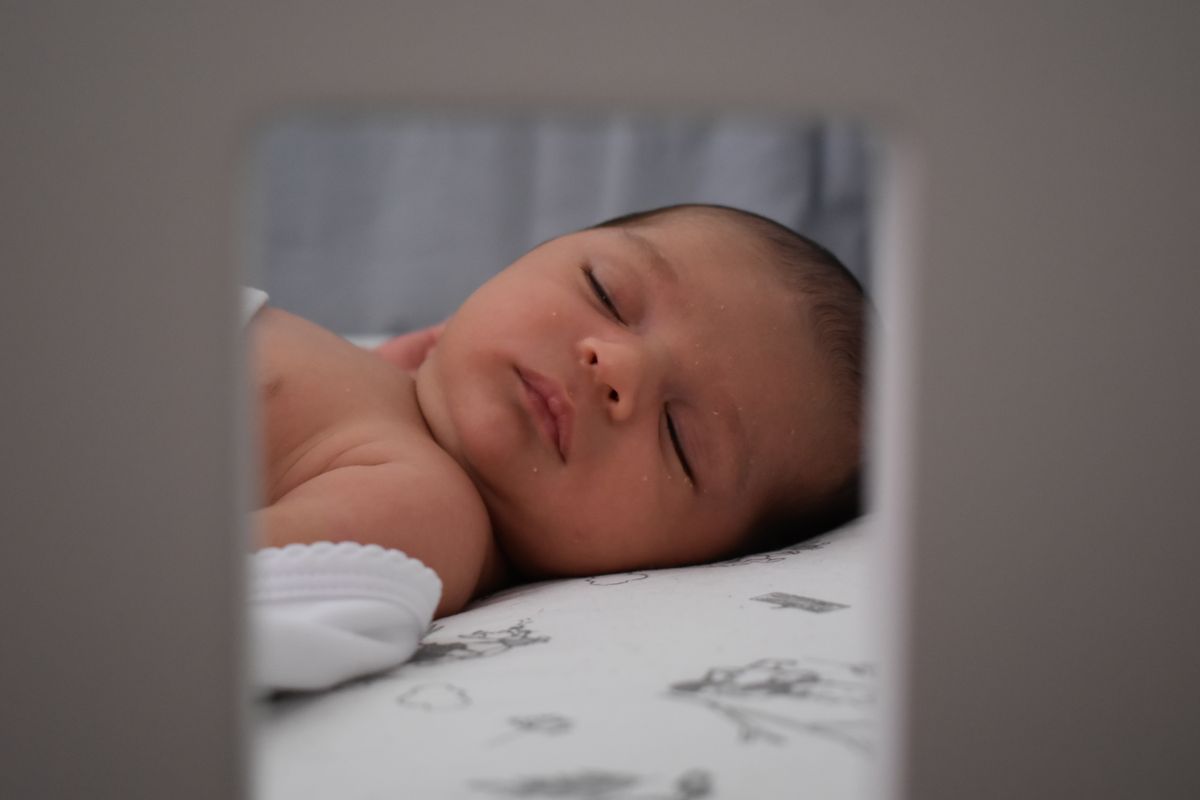
Do you need a white noise machine? Not strictly, but many parents find it genuinely helps babies fall asleep faster and stay asleep longer by masking household noise and mimicking the whooshing sounds of the womb. It’s a helpful sleep tool for many families rather than a universal requirement.
The evidence for a calming effect is reasonably solid, but safe volume and placement matter more than most parents realize.
Why It Works for Many Babies
Consistent background noise can mask sudden sounds — a door closing, a sibling talking — that would otherwise startle a light-sleeping baby awake. This consistency is the main reason do you need a white noise machine gets a common yes from sleep-focused parents.
Safe Volume and Placement
Pediatric guidance generally recommends keeping volume under 50 decibels and placing the machine at least 7 feet from the crib, since machines placed too close or too loud can pose a hearing risk over time.
Alternatives Worth Considering
A fan, a phone app, or a simple sound machine app can achieve a similar effect without buying a dedicated device, which is worth trying before committing to a purchase. For general infant sleep guidance, see HealthyChildren.org.
Weaning Off White Noise Later
Some parents worry about long-term dependence, but gradually lowering volume over weeks, once sleep is well established, usually transitions a toddler away from needing it without major disruption.
Timers that shut off after a set period are another option for parents who prefer not to run a machine all night continuously.
Shop This Guide
If you decide this gear is right for your family, these links show current options and prices. Check reviews, age and weight limits, and recall status before you buy.
Want our tested picks? Read our guide to the best white noise machine.
As an Amazon Associate, we earn from qualifying purchases at no extra cost to you.
Frequently Asked Questions
Can white noise be too loud even at a normal setting?
Yes — many consumer machines can exceed safe levels at max volume, so checking the actual decibel output rather than assuming “normal” settings are safe is worth the extra step.
Does white noise work for daytime naps too?
Yes, many parents use it consistently for naps as well as nighttime sleep, which can help reinforce consistent sleep associations throughout the day.
Bottom Line: Do You Need a White Noise Machine?
To sum up do you need a white noise machine: not essential, but a low-risk, often effective sleep aid when used at safe volume and distance from the crib.
Choosing the Right Sound Type
Not all white noise is equal — some babies respond better to deeper, rumbling sounds (like a fan or rain) than higher-pitched static, so testing a couple of options before committing to one machine long-term can be worth the small extra effort.
Sleep environment choices often extend to furniture too — our convertible crib guide covers a related nursery decision.
Can white noise interfere with hearing speech or language development?
Used at safe volumes and not run constantly during waking hours, white noise hasn’t been shown to interfere with language development in typical use.
Sources & Expert References
- American Academy of Pediatrics (HealthyChildren.org)
- CDC Child Safety & Injury Prevention
- CPSC Nursery Product Safety
- Before you buy: Check the current recall list at CPSC.gov/Recalls, especially for secondhand or older gear.

About the Author
Sarah Bennett
Sarah Bennett runs product testing for TheBabyGearList. She has three kids of her own (ages 7, 4, and 1), which means she has bought, returned, and worn out more strollers, car seats, and baby monitors than she can count. Every review on this site starts from a real comparison: she buys or borrows the top options in a category, uses them for at least two weeks with her own kids, and writes down the specific things that broke, annoyed her, or worked better than expected. Before this she spent four years as a product safety reviewer for a parenting magazine, checking car seat and crib listings against CPSC recall data. She lists the cheapest option that actually holds up first, and skips products she wouldn't put her own kids in.