- Quick Answer: Signs It Is Time to Stop
- Why Rolling Changes Everything
- Safe Swaddling While You Still Swaddle
- How to Transition Away From Swaddling
- Moving to a Sleep Sack
- Tips for a Smooth Transition
- What If My Baby Sleeps Worse?
- When to Stop Swaddling Baby if They Are Not Rolling Yet
- Swaddling at Daycare and With Other Caregivers
- Common Swaddling Myths
- Swaddling and Room Temperature
- Related Sleep Guides
- A Practical Scenario: A Seven-Week-Old Starting to Roll
- Shop This Guide
- Frequently Asked Questions
- Final Thoughts: When to Stop Swaddling Baby
- Free Newborn Gear Checklist
- Everything you need before baby arrives — get the free printable checklist, straight to your inbox.
As an Amazon Associate, we earn from qualifying purchases linked in this post.
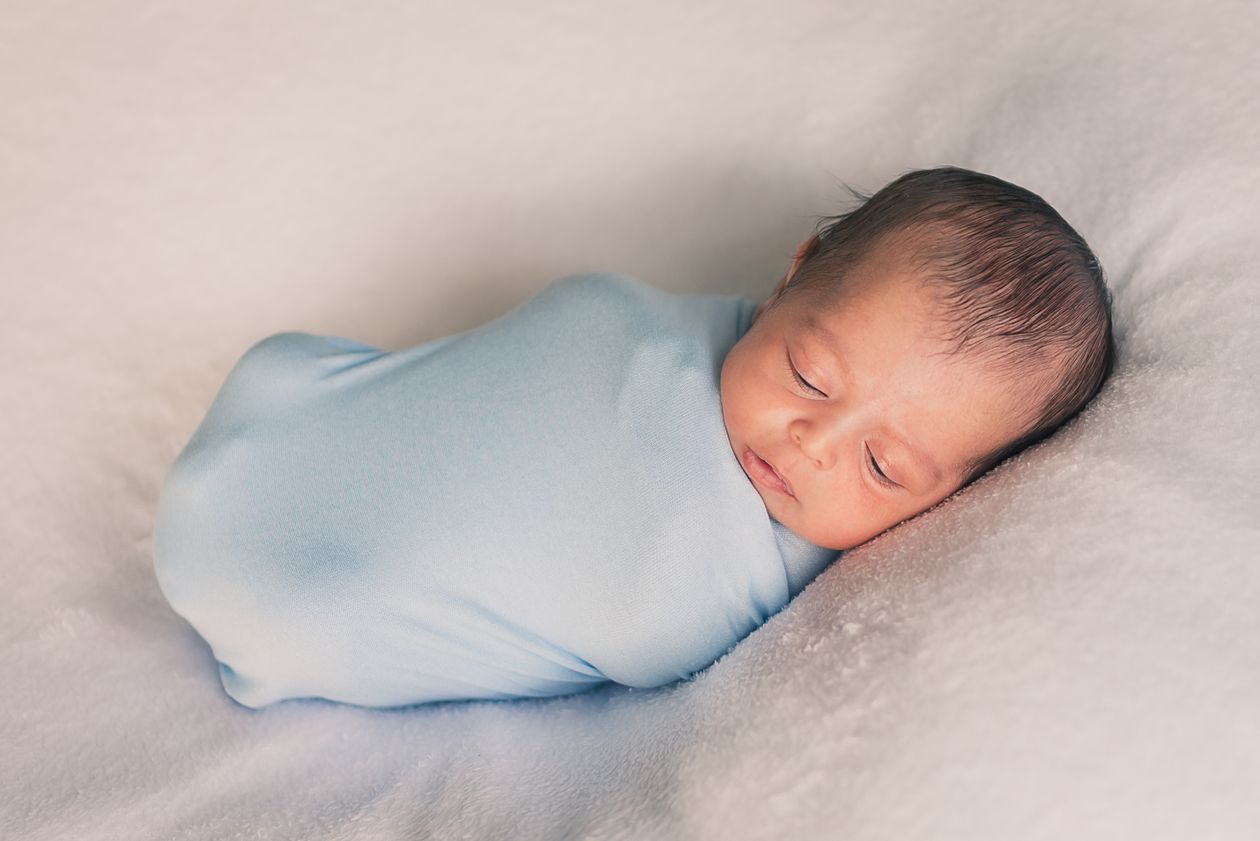
When to stop swaddling baby? Stop swaddling as soon as your baby shows signs of trying to roll over, which often happens around 2 months but can start earlier or later. The American Academy of Pediatrics advises that swaddled babies should always be placed on their backs and that swaddling should stop once a baby starts attempting to roll, because a swaddled baby who rolls onto their tummy may not be able to free their arms or turn back over.
Swaddling can calm newborns by recreating the snug feeling of the womb and reducing the startle reflex that wakes them up. That is why many parents feel nervous about giving it up. Below we explain the signs it is time to stop, how to transition gradually or all at once, safe alternatives like sleep sacks, and how to help your baby sleep well through the change.
Quick Answer: Signs It Is Time to Stop
This table gives a quick answer to when to stop swaddling baby based on common signs.
| Sign | What It Looks Like | What to Do |
|---|---|---|
| Attempts to roll | Rocking side to side, rolling onto one side | Stop swaddling immediately |
| Breaking out of the swaddle | Arms escape night after night | Transition to arms-free sleep |
| Startle reflex fading | Fewer sudden jerks waking baby | Good time to begin transition |
| Age around 8 weeks | Many babies begin rolling attempts | Plan the switch |
| Hands-to-mouth soothing | Baby wants hands free to self-soothe | Try one arm out |
Why Rolling Changes Everything
Swaddled babies rely on their arms being tucked for comfort, but those arms are also what they need to push up and turn their heads if they roll onto their stomachs. A swaddled baby face-down on a mattress has a higher risk of suffocation. This is why the most important rule for when to stop swaddling baby is the first sign of rolling, not a specific date. The AAP explains swaddling safety in its parent guide to safe sleep.
Safe Swaddling While You Still Swaddle
- Always place your baby on their back to sleep.
- Keep the swaddle snug around the chest but loose around the hips so legs can bend up and out.
- Avoid overheating: use lightweight fabrics and dress your baby in one light layer.
- Never use weighted swaddles or weighted sleep sacks.
- Keep the crib bare, with only a fitted sheet.
How to Transition Away From Swaddling
Gradual Method: One Arm Out
Swaddle your baby with one arm out for a few nights, then both arms out. Many transitional swaddles have removable wings or zip-off sleeves for this. This method helps babies adjust to having their hands free while still feeling snug around the body.
Cold Turkey Method
Some babies adjust quickly to arms-free sleep. Simply move straight to a sleep sack and expect a few unsettled nights. If your baby is already rolling, this is the safest approach because swaddling must stop immediately.
Transitional Sleep Sacks
Some sleep sacks offer gentle pressure or snug fit around the torso while leaving the arms free. These can help babies who miss the swaddle feeling. Make sure any product allows free arm movement and is not weighted.
Moving to a Sleep Sack
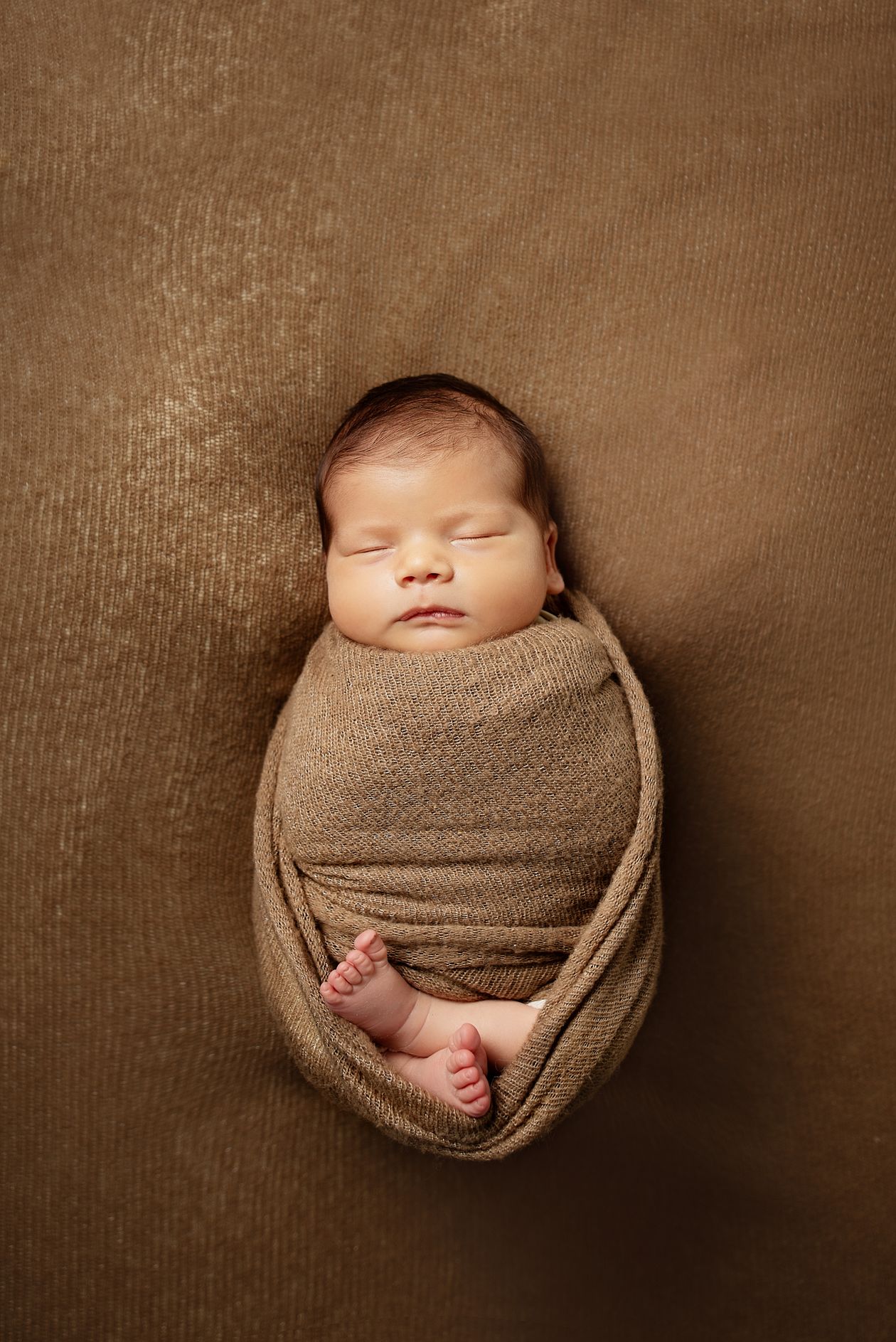
Once you stop swaddling, a wearable blanket keeps your baby warm without loose bedding. Choose the right size and a TOG rating suited to your room temperature. For details, see our guide on how many sleep sacks you need and our tips on how many swaddles you need for the newborn stage.
Tips for a Smooth Transition
- Keep the bedtime routine consistent: bath, feed, story, and bed at the same time.
- Use white noise to mask household sounds; see our best white noise machines.
- Darken the room to support longer sleep.
- Offer comfort with gentle patting or shushing, but avoid creating new sleep habits you will need to undo.
- Start with naps or nights, whichever feels easier for your family.
- Be patient: most babies adjust within a few days to two weeks.
What If My Baby Sleeps Worse?
A few rough nights are normal. Babies are learning to calm themselves without the swaddle’s snug feeling, and the startle reflex may still wake them occasionally. Stay consistent and avoid going back to swaddling once your baby is rolling. If sleep problems last more than a couple of weeks, talk to your pediatrician.

When to Stop Swaddling Baby if They Are Not Rolling Yet
Some babies do not show rolling signs until 3 or 4 months. Even so, many parents choose to begin the transition around 8 to 12 weeks, before rolling starts, so it is not a sudden change later. Starting early gives you time to try the one-arm-out method calmly rather than switching overnight. If you are unsure when to stop swaddling baby in this situation, your pediatrician can help you decide based on your baby’s development.
Swaddling at Daycare and With Other Caregivers
Many daycare centers do not allow swaddling for safety and licensing reasons, especially for babies older than a few months. If your baby will start daycare soon, practicing arms-free sleep at home beforehand can make the change easier. Share your baby’s new sleep routine with grandparents, babysitters, and other caregivers so everyone follows the same safe sleep steps.
Common Swaddling Myths
Myth: Babies need to be swaddled to sleep well
Many babies sleep well without swaddling, and all babies eventually learn to sleep with their arms free. Swaddling is a helpful tool for the newborn period, not a long-term requirement.
Myth: A tighter swaddle is safer
Swaddles should be snug around the chest but never tight around the hips or legs. Overly tight swaddling can affect hip development and may cause overheating.
Myth: You can keep swaddling if your baby rolls only occasionally
Any rolling attempt is a signal to stop. Babies can roll for the first time at any moment, often at night when no one is watching. This is the heart of when to stop swaddling baby: safety comes before sleep habits.
Swaddling and Room Temperature
Swaddled babies can overheat because the fabric covers their torso and arms. Keep the room at a comfortable temperature, often around 68 to 72°F (20 to 22°C), and check for sweating, flushed cheeks, or a hot chest. Overheating is a risk factor for sleep-related deaths, so dress lightly under any swaddle or sleep sack.
Related Sleep Guides
For more on safe sleep setups, see our guides on how many crib sheets you need and our picks for the best baby bassinets.
A Practical Scenario: A Seven-Week-Old Starting to Roll
Imagine a seven-week-old who suddenly rolls onto her side during tummy time and rocks in her swaddle at night. Her parents stop swaddling that day and switch to a 1.0 TOG sleep sack. She sleeps lightly for four nights, then settles back into her usual pattern. For them, the honest answer to when to stop swaddling baby was at seven weeks, when rolling began.
Shop This Guide
If you decide this gear is right for your family, these links show current options and prices. Check reviews, age and weight limits, and recall status before you buy.
As an Amazon Associate, we earn from qualifying purchases at no extra cost to you.
Frequently Asked Questions
When to stop swaddling baby at night?
As soon as your baby shows signs of rolling, often around 2 months.
Can I swaddle with arms out?
Yes, swaddling with arms out is a common transition step.
Is it safe to swaddle for naps only?
Not once your baby is rolling; stop swaddling for all sleep.
What should my baby wear after swaddling?
An arms-free sleep sack over a onesie or light pajamas, matched to your room temperature, is the most common choice.
Can swaddling cause hip problems?
Tight swaddling around the legs can affect hip development; keep hips loose.
Final Thoughts: When to Stop Swaddling Baby
When to stop swaddling baby? Stop at the first signs of rolling, often around 2 months, or sooner if your baby keeps breaking free. Transition gradually with one arm out or switch straight to a sleep sack, keep the bedtime routine consistent, use white noise and a dark room, and always place your baby on their back in a bare crib.
Sources & Expert References
- American Academy of Pediatrics (HealthyChildren.org)
- CDC Child Safety & Injury Prevention
- CPSC Nursery Product Safety
- Before you buy: Check the current recall list at CPSC.gov/Recalls, especially for secondhand or older gear.

About the Author
TheBabyGearList Team
TheBabyGearList is an independent baby-gear site. We put each guide together from manufacturer specifications, safety standards and guidance (AAP, CPSC, NHTSA and JPMA), and patterns in verified buyer reviews. We use AI writing tools to help draft guides and review every guide before it goes live. We have not hands-on tested every product we mention, so please check the manufacturer's current instructions and limits before you buy or use any gear, and talk to your pediatrician about health questions. Spotted something out of date? Tell us through the Contact page.