- The Quick Answer: A Simple Starting Formula
- Why Safe Sleep Rules Shape the Number
- Fit Matters More Than Count
- The Layering Trick That Cuts Night Changes in Half
- Material Choices and How They Affect Laundry
- Budget Tips: Buy Fewer, Better Sheets
- How the Number Changes as Your Baby Grows
- Do Bassinets and Travel Cribs Need Their Own Sheets?
- A Practical Scenario: Working Out Your Own Number
- Shop This Guide
- Frequently Asked Questions
- Final Thoughts: How Many Crib Sheets Do You Need?
- Free Newborn Gear Checklist
- Everything you need before baby arrives — get the free printable checklist, straight to your inbox.
As an Amazon Associate, we earn from qualifying purchases linked in this post.
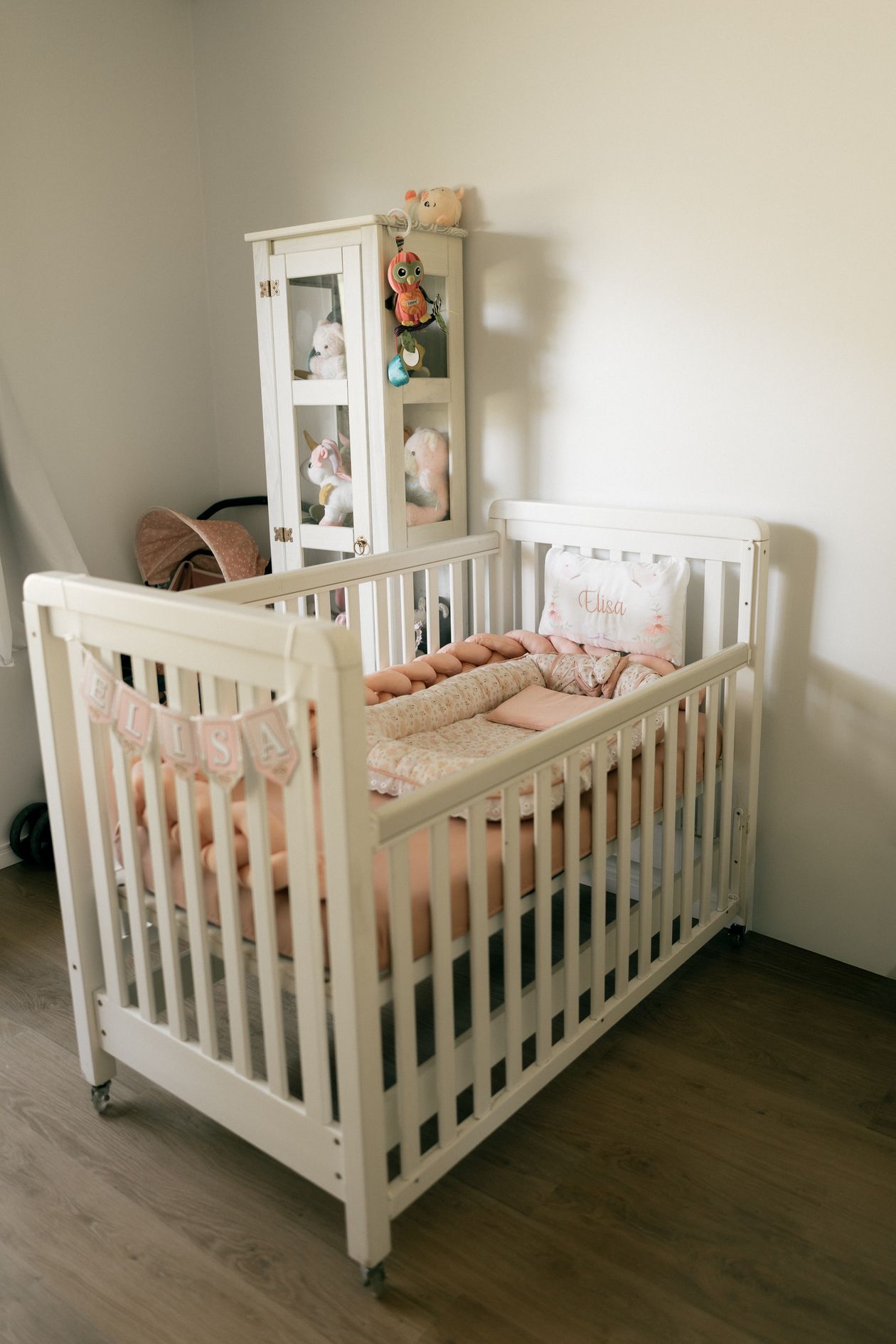
How many crib sheets do you need? For most families, the honest answer is three to four fitted crib sheets plus two waterproof mattress protectors. That combination lets you strip the crib at 2 a.m., remake it in under two minutes, and still have a clean backup while the first set is in the wash.
That said, the right number is not identical for every household. Laundry habits, how much your baby spits up, whether you are potty training a toddler, and whether you have more than one sleep space all shift the math. Below, we walk through each factor so you can buy exactly what you will use, without a drawer full of sheets that never come out of the package.
The Quick Answer: A Simple Starting Formula
If you want a rule you can remember while standing in the store aisle, use this one: one sheet on the mattress, one sheet in the laundry, and one or two clean sheets ready to go. That is where the three-to-four range comes from. Pair it with two waterproof mattress protectors, because a protector is what actually saves the mattress when a diaper leaks overnight.
Families who do laundry every day can usually get by with three sheets. Families who wash every three or four days, or who are dealing with reflux, should plan on four or even five. Very few people genuinely need more than six.
| Your Situation | Fitted Crib Sheets | Waterproof Protectors |
|---|---|---|
| Daily laundry, easy sleeper | 3 | 2 |
| Laundry every 2–3 days | 4 | 2 |
| Reflux or frequent spit-up | 5 | 2–3 |
| Two cribs (home + grandparents) | 3 per crib | 1–2 per crib |
| Mini crib or pack-and-play | 2–3 sized for that mattress | 1–2 |
Why Safe Sleep Rules Shape the Number
Before talking quantity, it helps to remember what a crib sheet is supposed to do. The American Academy of Pediatrics recommends a firm, flat mattress covered only by a tight fitted sheet, with no pillows, bumpers, blankets, or soft toys in the sleep space. You can read the full guidance in the AAP’s parent guide to safe sleep, and the U.S. Consumer Product Safety Commission safe sleep page covers the same “bare is best” principle.
Because the fitted sheet is the only fabric that belongs in the crib, it carries all the mess. There is no blanket to absorb a leak and no top sheet to swap out. When something goes wrong at night, the whole sheet comes off. That is the real reason how many crib sheets do you need is a bigger question than it first appears: a single bad night can use up two sheets on its own.
Fit Matters More Than Count
A sheet that does not fit snugly is not just annoying, it is a safety concern. Loose fabric can bunch up or pull free from the corners. When you shop, check that the sheet is sized for a standard crib mattress, which in the United States is roughly 28 by 52 inches, and that it has elastic all the way around rather than only at the corners.
Here is a quick test: after putting the sheet on, pull up firmly at the middle of each long side. If the corner pops off the mattress, that sheet should not be used. When people ask how many crib sheets do you need, fit should come first: it is better to own three sheets that fit perfectly than six that slip. Also wash new sheets before using them; some cotton shrinks slightly, and you want to know the final fit before your baby sleeps on it.
The Layering Trick That Cuts Night Changes in Half
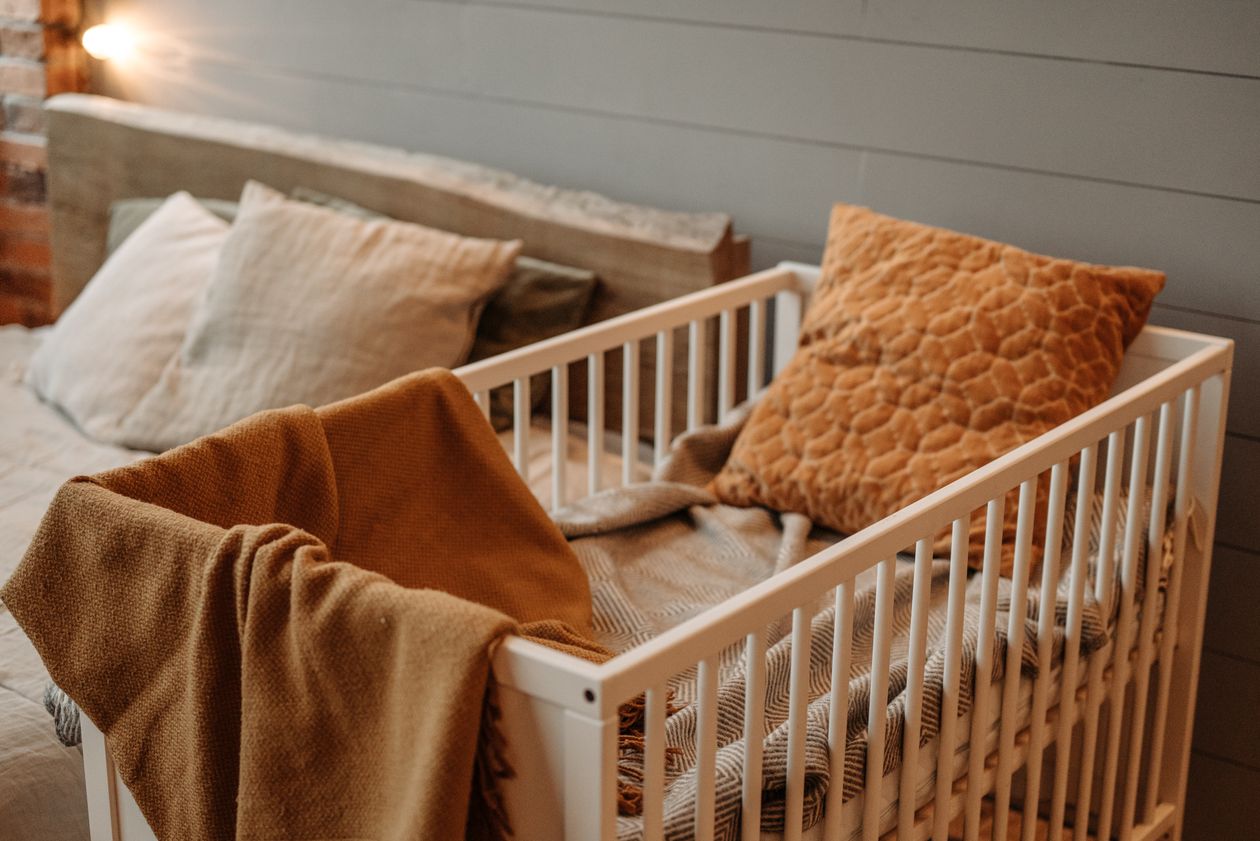
One of the most useful habits for tired parents is the double-layer method: put down a waterproof protector, then a fitted sheet, then a second protector, then a second fitted sheet. When a leak happens at night, you peel off the top sheet and top protector, and a fresh, ready-made bed is already underneath.
This approach changes how many crib sheets do you need in a practical way. You still want three or four in total, but two of them are often on the mattress at the same time. The trade-off is that each layer must fit tightly, so only use products made specifically for layering and check the fit every time. If the stack feels loose or makes the mattress edges soft, go back to a single layer.
Material Choices and How They Affect Laundry
The fabric you pick influences how quickly sheets come back from the wash, which in turn affects how many crib sheets do you need on hand.
- Cotton jersey: soft, stretchy, easy to put on, and dries quickly. A good everyday choice.
- Cotton percale or sateen: crisp and breathable, but slightly less forgiving to stretch over the mattress corners.
- Muslin: very breathable and great in warm climates. It softens with every wash but can wrinkle.
- Flannel: cozy for cold nurseries but slower to dry, so you may want one extra sheet in winter.
- Bamboo-derived rayon: silky and cool to the touch, though it often costs more and needs gentler washing.
Whatever material you choose, avoid sheets with decorative add-ons like ruffles, bows, or attached bumpers. They add nothing for your baby and create extra fabric where there should be none.
Budget Tips: Buy Fewer, Better Sheets
Crib sheets are one of the easiest baby items to overbuy, partly because they come in so many cute prints. A smarter approach is to start with three good-quality sheets and two protectors. Use them for two or three weeks, and only then decide how many crib sheets do you need beyond that starter set. Many parents discover that their baby rarely leaks through, and three sheets cover them for months.
Multi-packs are usually the best value per sheet. Look for sets of two or three from the same brand so the fit is consistent. Hand-me-down sheets can be perfectly fine, too, as long as the elastic is still strong and the fabric has no holes or loose threads.
How the Number Changes as Your Baby Grows
Newborns tend to create the most laundry. Spit-up, diaper blowouts, and frequent night feeds all mean more sheet changes in the first three months. Around four to six months, many babies settle into longer stretches of sleep and digest more easily, and sheet changes often drop noticeably, so the answer to how many crib sheets do you need may fall back to three.
Toddlerhood can bring a second wave. Teething drool, illness, and eventually night-time potty training can all lead to more frequent changes. If you are approaching potty training, it is reasonable to add one extra sheet and one extra protector, even if three worked well before. For families thinking ahead, our guide on how many swaddles you need follows the same “use it, then adjust” logic for another nursery basic.
Do Bassinets and Travel Cribs Need Their Own Sheets?
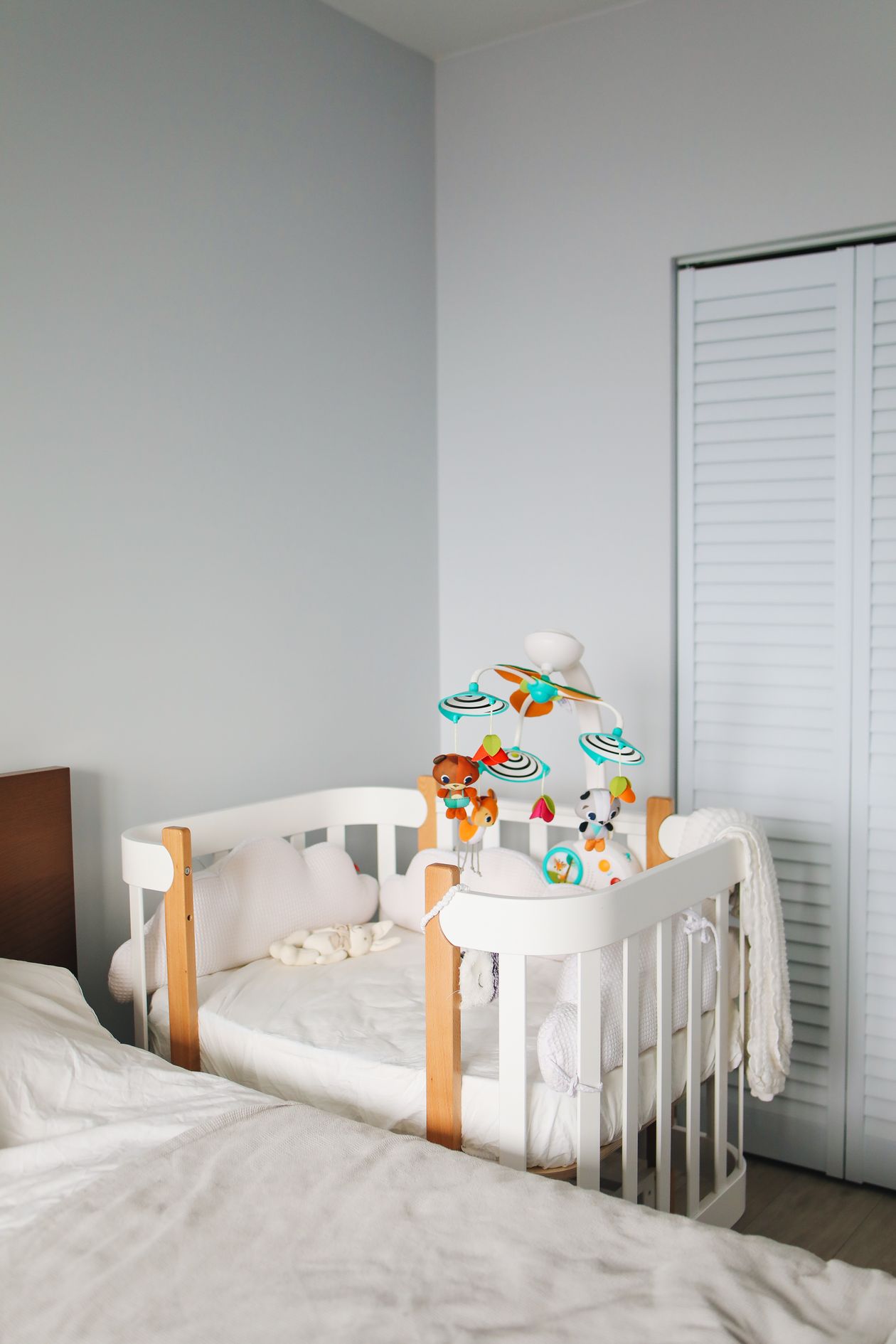
Yes. Bassinets, mini cribs, and portable play yards all use mattresses with different dimensions from a standard crib, and a standard crib sheet will not fit them safely. Buy sheets made for that exact product or that list its mattress size. Two or three sheets per secondary sleep space is plenty for most families, since those spaces usually see less use than the main crib. If you are still choosing a first sleep space, our roundup of the best baby bassinets notes which models include a sheet in the box.
A Practical Scenario: Working Out Your Own Number
Picture a family that does laundry twice a week, has a baby with mild spit-up, and keeps a second crib at a grandparent’s house. Using the table above, they would want four sheets for the main crib, because the gap between washes is three to four days, plus two protectors. For the second crib, three sheets and one or two protectors are enough. In total, that is seven sheets across two cribs, which sounds like a lot until you see that each crib is covered for a realistic worst-case week.
Running the same exercise for your own home takes about a minute: count your days between laundry loads, add one for a bad night, and add a sheet if your baby spits up often. The result is how many crib sheets do you need for your real routine, not a generic list.
Shop This Guide
If you decide this gear is right for your family, these links show current options and prices. Check reviews, age and weight limits, and recall status before you buy.
As an Amazon Associate, we earn from qualifying purchases at no extra cost to you.
Frequently Asked Questions
How many crib sheets do you need for a newborn?
Plan on three to four fitted sheets and two waterproof protectors. Newborns create the most laundry, so leaning toward four is wise in the first few months.
Is it okay to use just one crib sheet?
Technically yes, but it is not practical. With only one sheet, any night-time leak leaves you with no clean option until the wash is done. One sheet also wears out faster from constant washing.
How often should crib sheets be washed?
A good routine is to wash crib sheets at least once a week, and right away after any spit-up, leak, or illness. Use a fragrance-free detergent if your baby has sensitive skin.
Do I need a crib sheet if the mattress is waterproof?
Yes. A waterproof mattress surface protects the mattress, but a breathable fitted sheet makes the surface more comfortable and is far easier to wash than the mattress itself.
When can my baby have a blanket instead of just a sheet?
The AAP advises keeping soft bedding out of the crib for at least the first year. Until then, use a wearable blanket or sleep sack if you need extra warmth.
Final Thoughts: How Many Crib Sheets Do You Need?
So, how many crib sheets do you need in the end? Three to four tightly fitted sheets and two waterproof protectors cover nearly every family, with a fifth sheet for heavy spit-up or slow laundry weeks. Focus on fit first, start with fewer than you think, and add more only once you know your baby’s patterns. A small, well-chosen stack beats a closet full of sheets you never use, and it keeps the crib exactly as it should be: simple, flat, and safe.
Sources & Expert References
- American Academy of Pediatrics (HealthyChildren.org)
- CDC Child Safety & Injury Prevention
- CPSC Nursery Product Safety
- Before you buy: Check the current recall list at CPSC.gov/Recalls, especially for secondhand or older gear.

About the Author
Sarah Bennett
Sarah Bennett runs product testing for TheBabyGearList. She has three kids of her own (ages 7, 4, and 1), which means she has bought, returned, and worn out more strollers, car seats, and baby monitors than she can count. Every review on this site starts from a real comparison: she buys or borrows the top options in a category, uses them for at least two weeks with her own kids, and writes down the specific things that broke, annoyed her, or worked better than expected. Before this she spent four years as a product safety reviewer for a parenting magazine, checking car seat and crib listings against CPSC recall data. She lists the cheapest option that actually holds up first, and skips products she wouldn't put her own kids in.