When to Switch to a Convertible Car Seat: Limits, Rear-Facing and Installation (2026)

when to switch to a convertible car seat
When to switch to a convertible car seat? Switch from an infant car seat to a convertible car seat when your baby reaches the infant seat’s height or weight limit, whichever comes first. For many babies this happens between about 9 and 18 months, but it depends on the seat and your child’s growth, not … Read more

When to Stop Swaddling Baby: Rolling Signs and Moving to a Sleep Sack (2026)

when to stop swaddling baby
When to stop swaddling baby? Stop swaddling as soon as your baby shows signs of trying to roll over, which often happens around 2 months but can start earlier or later. The American Academy of Pediatrics advises that swaddled babies should always be placed on their backs and that swaddling should stop once a baby … Read more

Do You Need a Bottle Sterilizer? Cleaning vs Sanitizing and Cheaper Options (2026)

do you need a bottle sterilizer
Do you need a bottle sterilizer? Not necessarily. Bottles and feeding parts need to be cleaned well after every feed and sanitized regularly, especially for young babies, but you can sanitize by boiling them in water, using a dishwasher with a hot water or sanitize setting, or using microwave steam bags. A dedicated bottle sterilizer … Read more

When Should Babies Wear Shoes? Barefoot, Soft Soles and First Walkers (2026)

when should babies wear shoes
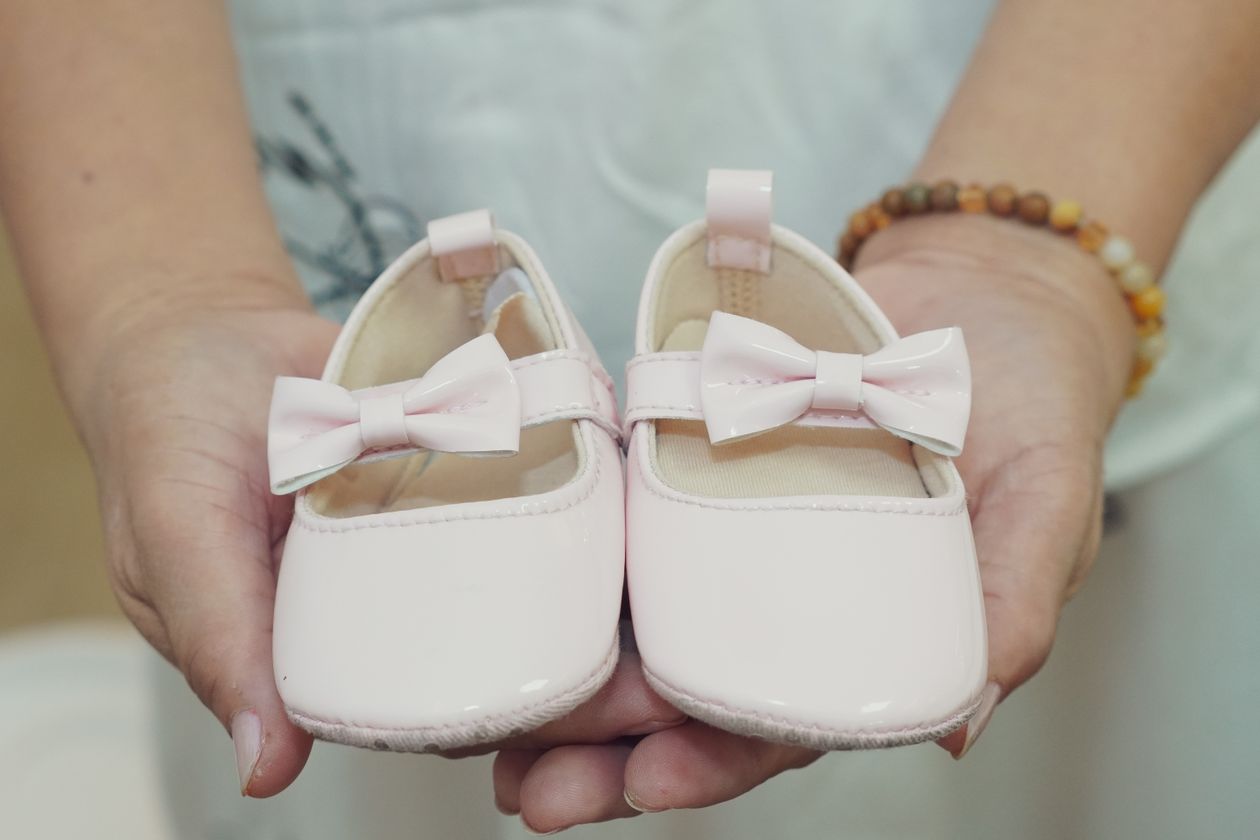
When should babies wear shoes? Babies do not need shoes until they start walking outdoors, which usually happens somewhere between 9 and 18 months. Indoors, going barefoot is best for learning to walk, because bare feet help babies feel the ground, build foot muscles, and improve balance. Before walking, soft socks or booties are enough … Read more

Do You Need a Nursing Pillow? Benefits, Safety and Alternatives (2026)

do you need a nursing pillow
Do you need a nursing pillow? Not strictly, but many parents find one very helpful in the early months. A nursing pillow raises your baby to breast or bottle height, supports your arms, and reduces strain on your back, shoulders, and neck during the many hours you spend feeding. Regular bed pillows, folded blankets, or … Read more