- Quick Answer by Age
- Signs Your Baby Is Ready
- Sippy Cups vs. Straw Cups vs. Open Cups
- How to Teach Your Baby to Use a Cup
- Moving From Bottles to Cups
- What to Put in the Cup
- Protecting Little Teeth
- When Can Babies Use a Sippy Cup for Milk at Night?
- Cups for Breastfed Babies
- How Many Cups Do You Need?
- Cleaning and Safety Tips
- Common Mistakes to Avoid
- Shop This Guide
- A Practical Scenario: A Bottle-Loving 10-Month-Old
- Frequently Asked Questions
- Final Thoughts: When Can Babies Use a Sippy Cup?
- Free Newborn Gear Checklist
- Everything you need before baby arrives — get the free printable checklist, straight to your inbox.
As an Amazon Associate, we earn from qualifying purchases linked in this post.
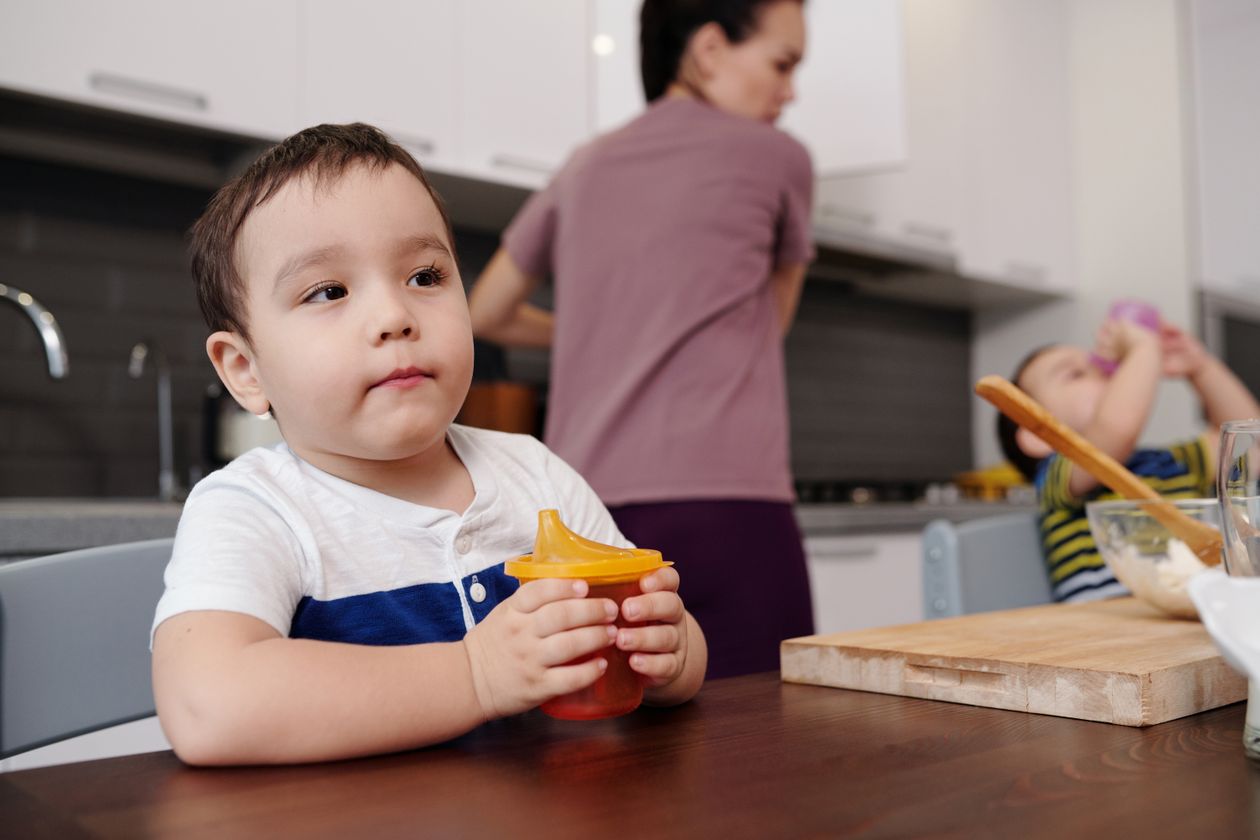
When can babies use a sippy cup? Most babies can start practicing with a sippy cup, straw cup, or small open cup at around 6 months, when they begin eating solid foods. The goal at this stage is learning, not replacing bottles or breastfeeding, so expect plenty of spills and only a few sips. Pediatric experts generally suggest moving away from bottles by around 12 to 18 months, and cups make that transition much easier.
Sippy cups are popular because they limit spills, but many feeding specialists now prefer straw cups and open cups for building mature drinking skills. Below we explain when to start, the different cup types and their pros and cons, how to teach your baby to use one, how cups fit into weaning from bottles, and common mistakes to avoid.
Quick Answer by Age
This table gives a quick answer to when can babies use a sippy cup and how cup use changes with age.
| Age | Cup Use | What Goes in It |
|---|---|---|
| 0–6 months | No cup needed | Breast milk or formula by breast or bottle |
| 6–9 months | Introduce a cup at meals for practice | Small sips of water |
| 9–12 months | Daily cup use with meals | Water; some breast milk or formula |
| 12–18 months | Cups replace bottles | Water and milk |
Signs Your Baby Is Ready
- Around 6 months old and starting solid foods.
- Sits upright with support, such as in a high chair.
- Shows interest in your cup or reaches for it.
- Brings objects to the mouth with growing hand control.
When these signs line up, you have your answer to when can babies use a sippy cup for practice. For high chair readiness, see our guide on when a baby can sit in a high chair.
Sippy Cups vs. Straw Cups vs. Open Cups
| Cup Type | Pros | Cons |
|---|---|---|
| Hard-spout sippy cup | Spill-resistant, easy for travel | Encourages a sucking pattern similar to bottles |
| Soft-spout transition cup | Familiar feel for bottle-fed babies | Best used briefly as a bridge |
| Straw cup | Builds lip and tongue strength, fewer spills | Some babies need time to learn |
| 360-degree cup | Mimics an open cup with fewer spills | Can be harder to clean |
| Small open cup | Best for mature drinking skills | Messy at first; needs supervision |
Many families use a mix: an open cup at the table and a straw cup for outings. Hard-spout sippy cups are convenient but best used briefly rather than all day.
How to Teach Your Baby to Use a Cup
- Start at mealtime, with your baby seated upright.
- Offer a small amount of water so spills do not matter.
- Demonstrate by drinking from your own cup.
- Help guide the cup to their mouth, tipping slowly.
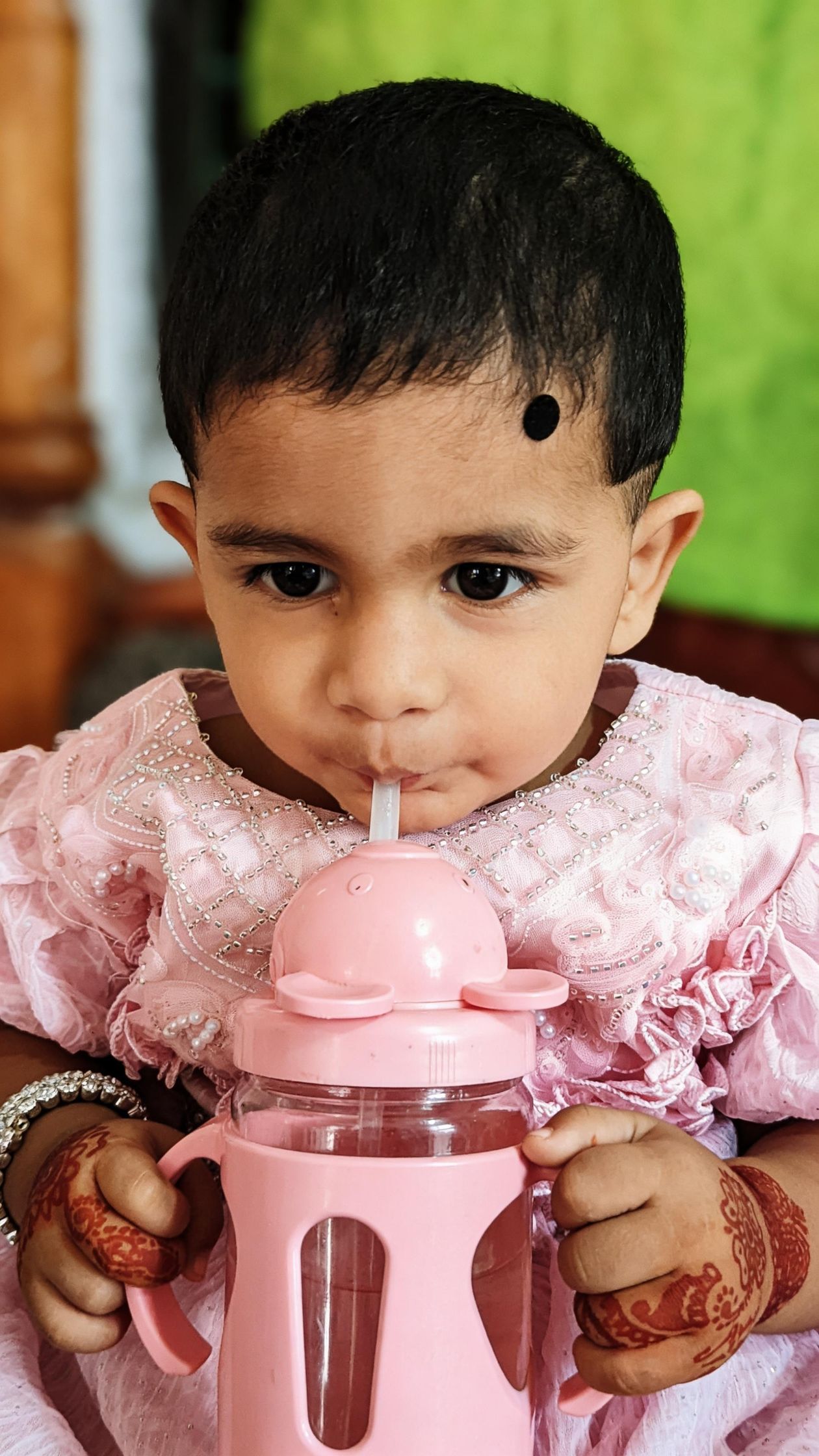
- For straw cups, gently squeeze the cup or use a straw-training cup to bring liquid up.
- Be patient: most babies need weeks of practice.
Moving From Bottles to Cups
The American Academy of Pediatrics encourages weaning from bottles by around 12 to 18 months, partly to protect teeth and partly because older toddlers who rely on bottles may drink too much milk and eat less food. You can read more in the AAP guide to discontinuing the bottle. Replace one bottle feed at a time with a cup, starting with the midday feed, and keep the bedtime bottle for last. If you are wondering how many bottles to buy before then, see how many bottles you need.
What to Put in the Cup
Between 6 and 12 months, offer small amounts of water in a cup with meals, as covered in our guide on when babies can drink water. Breast milk or formula can also go in a cup. After 12 months, whole milk and water are the main drinks. Avoid juice and sugary drinks, especially in cups your child carries around.
Protecting Little Teeth
Sipping milk or juice throughout the day bathes teeth in sugar and can lead to cavities. Offer milk at meals and water between meals, and avoid letting your child fall asleep with a cup or bottle of milk. Clean cups thoroughly, including valves and straws, which can trap milk and mold.
When Can Babies Use a Sippy Cup for Milk at Night?
Experts recommend avoiding milk in any cup or bottle at bedtime once teeth appear, because milk pooling around teeth during sleep increases the risk of cavities. If your toddler wants something at night, offer a few sips of water instead, and brush teeth after the last milk of the day. So while the answer to when can babies use a sippy cup is around 6 months for daytime practice, nighttime cups of milk are best avoided altogether.
Cups for Breastfed Babies
Breastfed babies who have never used a bottle can move straight to a cup. Some parents offer expressed breast milk in an open cup or straw cup when they return to work, skipping bottles entirely. Daycare providers can help with cup feeding if you share your plan and send a familiar cup. This path often makes weaning simpler later, since there is no bottle habit to break.
How Many Cups Do You Need?
Two or three cups are usually enough: one for meals at home, one for the diaper bag, and a spare while one is in the dishwasher. Choosing cups with interchangeable parts makes cleaning and replacing pieces easier. Once your child is confident, you can simplify further and rely mainly on open cups at home. Thinking about when can babies use a sippy cup alongside how many you need helps avoid buying a cupboard full of cups your baby will not use.
Cleaning and Safety Tips
- Disassemble valves and straws after every use.
- Use a straw brush to clean narrow parts.
- Check for cracks or mold and replace worn parts.
- Choose BPA-free materials and dishwasher-safe designs.
- Avoid letting toddlers walk or run with a cup in their mouth.
Common Mistakes to Avoid
- Waiting too long to introduce a cup, making bottle weaning harder.
- Using a sippy cup all day as a bottle replacement.
- Filling cups with juice, which harms teeth.
- Giving up after a few tries; learning takes time.
Knowing when can babies use a sippy cup is only half the picture; how you use it matters just as much.
Shop This Guide
If you decide this gear is right for your family, these links show current options and prices. Check reviews, age and weight limits, and recall status before you buy.
Want our top picks? Read our guide to the best baby high chair.
As an Amazon Associate, we earn from qualifying purchases at no extra cost to you.
A Practical Scenario: A Bottle-Loving 10-Month-Old
Imagine a 10-month-old who refuses everything but a bottle. His parents offer a weighted straw cup with water at every meal, drink from their own cups beside him, and replace his lunchtime bottle with milk in a straw cup. By 14 months, he drinks from cups during the day and only has a bedtime bottle, which they drop a month later. For them, the answer to when can babies use a sippy cup started at 6 months with patient practice.
Frequently Asked Questions
When can babies use a sippy cup for the first time?
Around 6 months, when they start solids, for practice with small sips of water.
Are straw cups better than sippy cups?
Many feeding specialists prefer straw and open cups for building drinking skills.
When should my baby stop using bottles?
Most experts suggest weaning from bottles by around 12 to 18 months.
Can I put milk in a sippy cup?
Yes, but offer it at meals rather than all day to protect teeth and appetite.
Final Thoughts: When Can Babies Use a Sippy Cup?
When can babies use a sippy cup? Around 6 months, when solids begin, as a learning tool with small sips of water. Try straw and open cups too, offer cups at meals, clean them carefully, and use cups to help your child move away from bottles by 12 to 18 months.
Sources & Expert References
- American Academy of Pediatrics (HealthyChildren.org)
- CDC Child Safety & Injury Prevention
- CPSC Nursery Product Safety
- Before you buy: Check the current recall list at CPSC.gov/Recalls, especially for secondhand or older gear.

About the Author
TheBabyGearList Team
TheBabyGearList is an independent baby-gear site. We put each guide together from manufacturer specifications, safety standards and guidance (AAP, CPSC, NHTSA and JPMA), and patterns in verified buyer reviews. We use AI writing tools to help draft guides and review every guide before it goes live. We have not hands-on tested every product we mention, so please check the manufacturer's current instructions and limits before you buy or use any gear, and talk to your pediatrician about health questions. Spotted something out of date? Tell us through the Contact page.