- Quick Comparison: Baby Bathtub vs. Alternatives
- Benefits of a Baby Bathtub
- Drawbacks
- Types of Baby Bathtubs
- Bath Safety Rules
- How Often to Bathe Your Baby
- Bath Time Essentials
- Step-by-Step: Giving Your First Tub Bath
- Do You Need a Baby Bathtub If You Shower With Your Baby?
- Bathing Babies With Sensitive Skin
- Cleaning and Storing Your Baby Bathtub
- When to Move to the Big Tub
- Saving Space and Money
- A Practical Scenario: First Baths in a Small Apartment
- Shop This Guide
- Frequently Asked Questions
- Final Thoughts: Do You Need a Baby Bathtub?
- Free Newborn Gear Checklist
- Everything you need before baby arrives — get the free printable checklist, straight to your inbox.
As an Amazon Associate, we earn from qualifying purchases linked in this post.
Do you need a baby bathtub? Not strictly, but most parents find one very helpful for the first six to twelve months. A baby bathtub supports your slippery newborn at the right angle, uses less water, and lets you bathe your baby on a counter or in the big tub without bending awkwardly. Alternatives include sponge baths, bathing in the kitchen sink with an insert, or bathing together with a second adult to help.
Newborns are wriggly and slippery when wet, and many new parents feel nervous about bath time. The right setup makes it safer and more relaxing for everyone. Below we compare baby bathtubs with alternatives, explain the main types, share key safety rules, and help you decide what fits your home, budget, and routine.
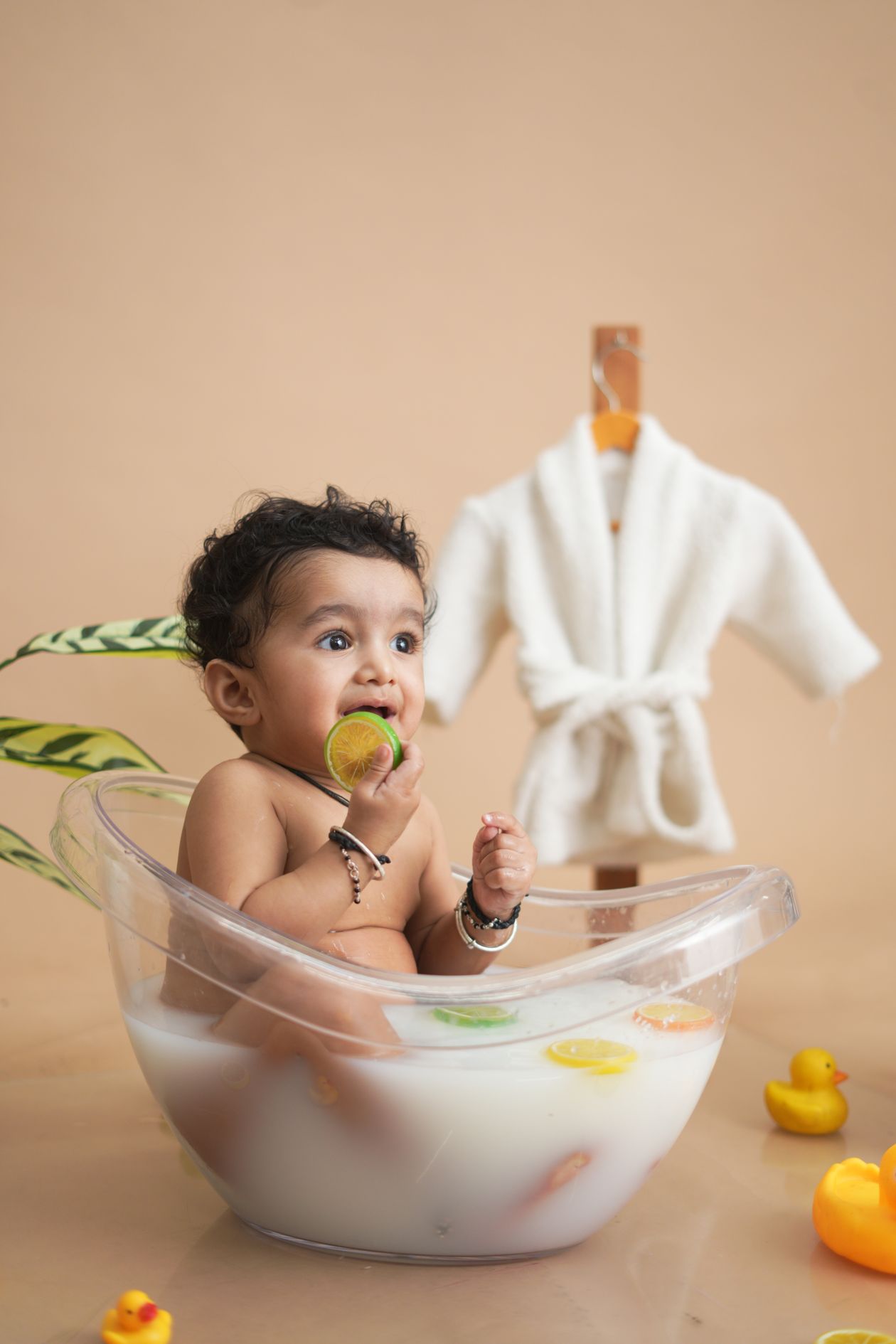
Quick Comparison: Baby Bathtub vs. Alternatives
This table helps answer do you need a baby bathtub by comparing common bathing options.
| Option | Best Age | Pros | Cons |
|---|---|---|---|
| Infant bathtub with newborn sling | 0–12 months | Secure support, less water, portable | Takes storage space |
| Sponge bath | Until cord stump falls off | No equipment needed | Only suits the first weeks |
| Sink with bath insert | 0–6 months | Comfortable height, easy filling | Faucet hazards, limited by size |
| Bath seat or ring | Not recommended | Hands-free feel | Linked to drownings; false sense of security |
| Regular tub | Once baby sits steadily | No extra purchase | Hard on your back; slippery for young babies |
Benefits of a Baby Bathtub
- Support: slings, contoured seats, and anti-slip surfaces hold your baby securely.
- Less water: babies need only a couple of inches of water.
- Comfortable height: use it on a counter, in the sink, or inside the big tub.
- Portability: easy to move between rooms or take to grandparents’ homes.
- Grows with baby: many convert from newborn sling to infant and toddler modes.
Drawbacks
- Storage: bulky tubs can be hard to store in small bathrooms.
- Short use period: many families stop using it once baby sits steadily.
- Cleaning: slings and crevices need regular cleaning to prevent mildew.
Considering these points helps answer do you need a baby bathtub for your situation.
Types of Baby Bathtubs
Convertible Infant-to-Toddler Tubs
These include a newborn sling or insert and adjust as your baby grows. They are the most popular choice because they last longest.
Foldable Tubs
These collapse flat for storage, making them ideal for apartments and travel. Check that the locking mechanism is secure.
Sink Inserts
Soft foam or mesh inserts fit inside a sink, giving a comfortable height. Make sure the faucet cannot be bumped and water temperature stays safe.
Bucket-Style Tubs
These let babies sit upright in deeper water, which some babies find soothing. Follow age and size guidance carefully.
See our picks in the guide to the best baby bathtubs.
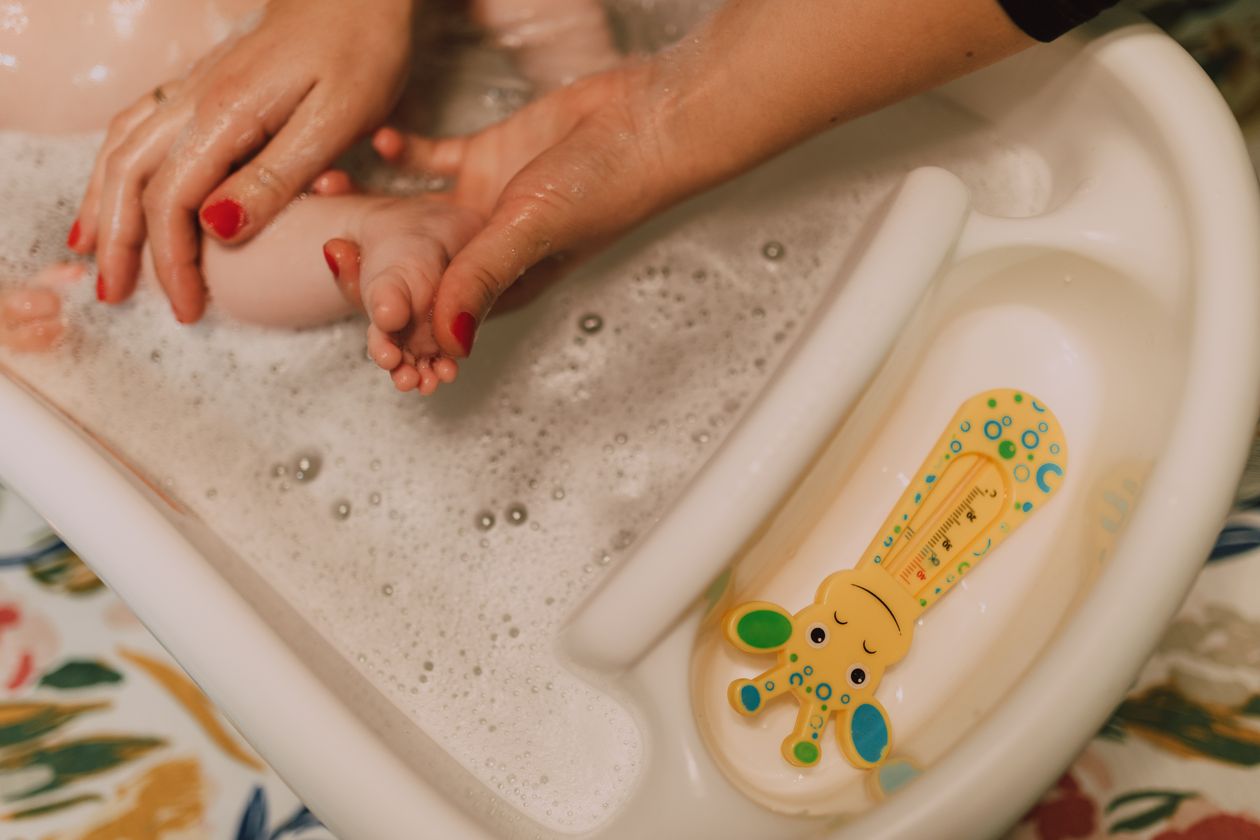
Bath Safety Rules
- Never leave your baby alone in or near water, even for a second.
- Keep one hand on your baby at all times.
- Use only 2 to 3 inches of water for infants.
- Check water temperature: aim for about 100°F (38°C), and test with your wrist or elbow.
- Set your water heater to 120°F (49°C) or lower to prevent scalds.
- Gather everything first: towel, washcloth, cleanser, diaper, and clothes.
- Avoid bath seats and rings, which are not safety devices.
The AAP’s guide to bathing your newborn covers these steps in detail.
How Often to Bathe Your Baby
Newborns do not need daily baths. Sponge baths are recommended until the umbilical cord stump falls off, usually within one to two weeks. After that, bathing about three times a week is enough for most babies in the first year. Bathing too often can dry delicate skin. Between baths, a damp washcloth handles face, hands, neck folds, and the diaper area. See our guide on how many baby washcloths you need.
Bath Time Essentials
- Hooded towels: two or three, for warmth after the bath.
- Soft washcloths: for face and body.
- Gentle, fragrance-free cleanser.
- Bath thermometer for peace of mind.
- Cup or rinser for washing hair.
- Clean diaper and clothes ready to go.
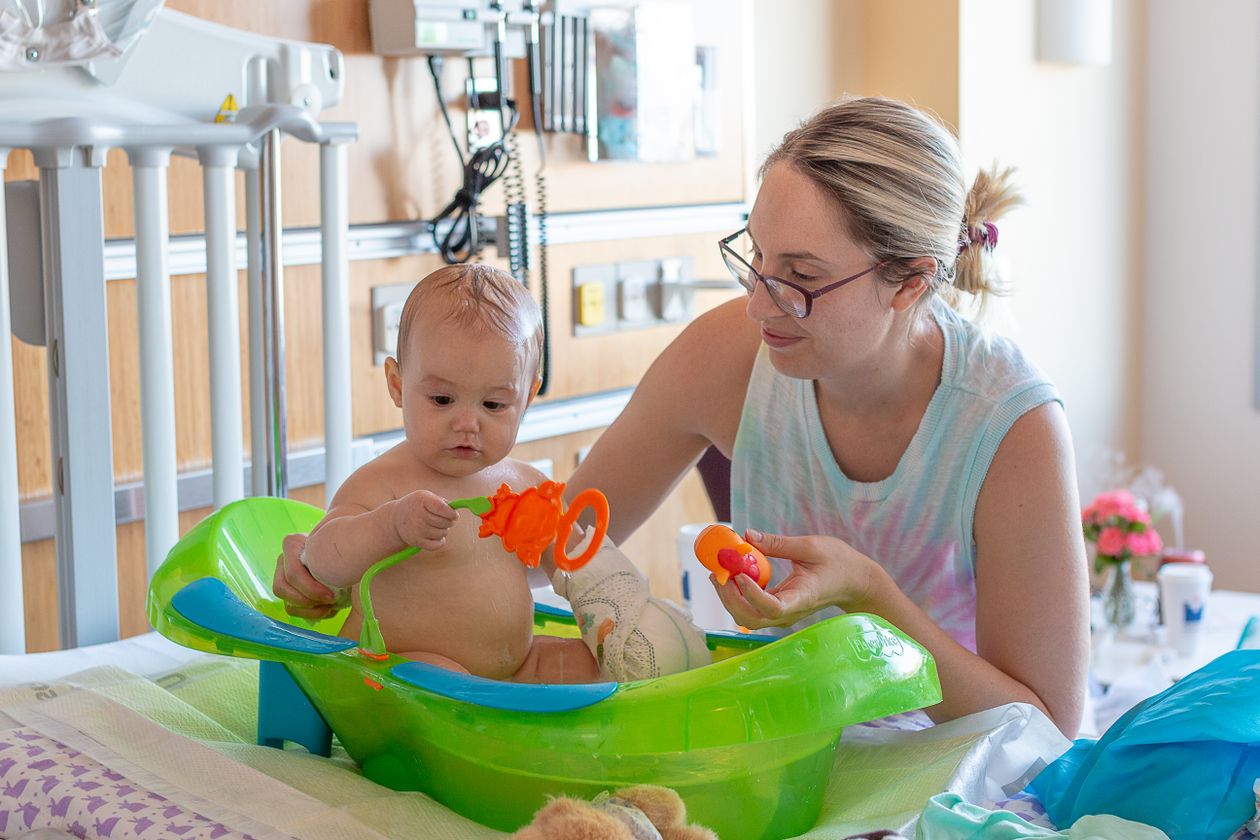
Step-by-Step: Giving Your First Tub Bath
- Warm the room so your baby does not get chilled.
- Fill the tub with 2 to 3 inches of warm water and check the temperature.
- Undress your baby and wrap them in a towel until the last moment if they dislike being cold.
- Lower your baby feet first, supporting the head and neck with one hand.
- Wash from top to bottom, starting with the face using plain water, then the body, and the diaper area last.
- Keep baths short, around 5 to 10 minutes for newborns.
- Lift your baby out carefully, wrap them in a hooded towel, and pat dry, including skin folds.
Do You Need a Baby Bathtub If You Shower With Your Baby?
Some parents prefer to bathe or shower with their baby. This can be lovely for bonding, but wet babies are very slippery, and showers can be dangerous if you lose your grip. If you bathe together, have a second adult hand the baby to you and take them out, keep the water warm rather than hot, and use a non-slip mat. For many families, this approach works occasionally, but the answer to do you need a baby bathtub is still yes for everyday baths, because it is safer and easier alone.
Bathing Babies With Sensitive Skin
If your baby has dry or sensitive skin, keep baths short, use lukewarm water, and choose a gentle, fragrance-free cleanser in small amounts. Pat skin dry and apply a fragrance-free moisturizer right after the bath to lock in moisture. Talk to your pediatrician if you notice persistent dryness, redness, or rashes.
Cleaning and Storing Your Baby Bathtub
After each bath, rinse the tub, wipe it dry, and let any fabric sling air-dry completely to prevent mildew. Clean the tub weekly with mild soap and water. Store it upright or hanging so water drains fully. Good care keeps the tub hygienic and helps it last for future siblings, which adds value when weighing do you need a baby bathtub.
When to Move to the Big Tub
Most babies move to the regular bathtub once they can sit steadily without support, often between 6 and 12 months, or when they outgrow the baby tub’s size or weight limit. Use a non-slip mat, keep water shallow, cover the faucet with a soft guard, and continue constant hands-on supervision. Toddlers love bath toys, but store them dry to prevent mold.
Saving Space and Money
If your bathroom is small, a foldable tub or sink insert can save space. Many families borrow or buy secondhand tubs, which is fine if they are clean, intact, and not recalled. Replace slings that show mildew. A simple, sturdy tub often works as well as a premium model. Weighing these options makes the answer to do you need a baby bathtub easier.
A Practical Scenario: First Baths in a Small Apartment
Imagine new parents in a small apartment with only a shower. They give sponge baths for the first ten days, then buy a foldable baby bathtub with a newborn sling that sits on the kitchen counter beside the sink. It folds flat behind the door between uses. For them, the honest answer to do you need a baby bathtub was yes, because they had no regular tub at all.
Shop This Guide
If you decide this gear is right for your family, these links show current options and prices. Check reviews, age and weight limits, and recall status before you buy.
Want our top picks? Read our guide to the best baby bathtub.
As an Amazon Associate, we earn from qualifying purchases at no extra cost to you.
Frequently Asked Questions
Do you need a baby bathtub for a newborn?
Not strictly, but most parents find a tub with a newborn sling makes bathing safer and easier.
Can I bathe my baby in the sink?
Yes, with a sink insert, shallow water, and care around the faucet.
Are bath seats safe?
Bath seats and rings are not safety devices and have been linked to drownings; avoid them.
How long do babies use a baby bathtub?
Usually until about 6 to 12 months, or until they sit steadily and outgrow it.
Final Thoughts: Do You Need a Baby Bathtub?
Do you need a baby bathtub? Not strictly, but for most families it is one of the most useful baby items in the first year, offering secure support and an easier bath routine. Choose a tub that fits your space, keep water shallow and warm, gather supplies first, never leave your baby alone, and move to the big tub once your baby sits steadily.
Sources & Expert References
- American Academy of Pediatrics (HealthyChildren.org)
- CDC Child Safety & Injury Prevention
- CPSC Nursery Product Safety
- Before you buy: Check the current recall list at CPSC.gov/Recalls, especially for secondhand or older gear.

About the Author
TheBabyGearList Team
TheBabyGearList is an independent baby-gear site. We put each guide together from manufacturer specifications, safety standards and guidance (AAP, CPSC, NHTSA and JPMA), and patterns in verified buyer reviews. We use AI writing tools to help draft guides and review every guide before it goes live. We have not hands-on tested every product we mention, so please check the manufacturer's current instructions and limits before you buy or use any gear, and talk to your pediatrician about health questions. Spotted something out of date? Tell us through the Contact page.