- Quick Answer: Age and Readiness
- Why Most Experts Say Wait Until 12 Months
- Readiness Signs
- Rear Seat vs. Front Seat vs. Trailer
- Helmet Fit Is Non-Negotiable
- Safety Tips for Riding With a Baby
- Choosing a Bike Seat
- Your First Rides Together
- Weather, Season, and Time of Day
- Check Local Laws
- Common Mistakes to Avoid
- Shop This Guide
- A Practical Scenario: The First Birthday Ride
- Frequently Asked Questions
- Final Thoughts: When Can a Baby Ride in a Bike Seat?
- Free Newborn Gear Checklist
- Everything you need before baby arrives — get the free printable checklist, straight to your inbox.
As an Amazon Associate, we earn from qualifying purchases linked in this post.
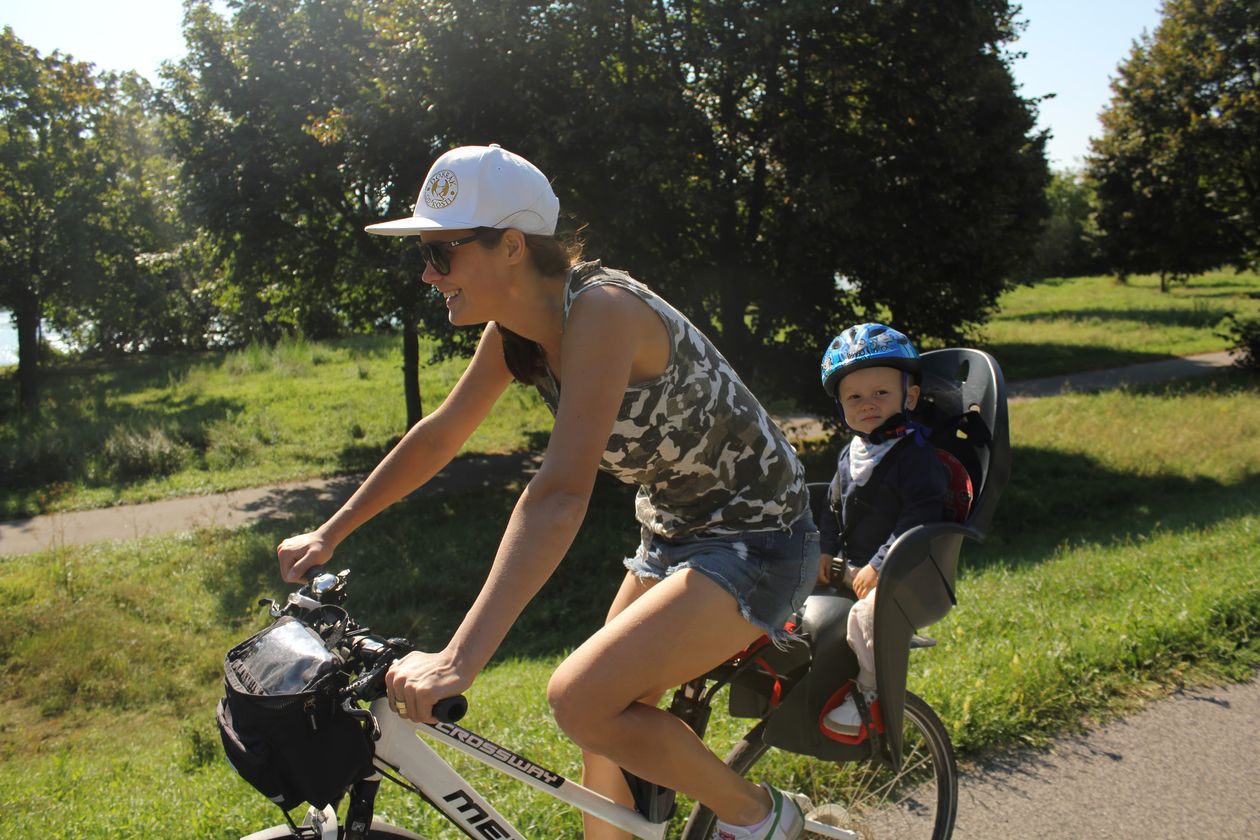
When can a baby ride in a bike seat? Most experts recommend waiting until your baby is at least 12 months old before riding in a bicycle child seat or trailer. By then, most babies have the neck strength to support a helmet and handle bumps, and they fit properly in a seat harness. Many bike seat manufacturers set a minimum of 9 months with good sitting ability, but pediatric guidance generally favors one year as the safer starting point.
Biking with your child can be a wonderful way to get outside together, run errands, and share your love of cycling. But babies are vulnerable, and choosing the right time, seat, helmet, and route matters. Below we explain why age 1 is the common recommendation, compare rear seats, front seats, and trailers, cover helmet fit, and share safety tips for your first rides.
Quick Answer: Age and Readiness
This table gives a quick answer to when can a baby ride in a bike seat and in other bike carriers.
| Age | Bike Option | Notes |
|---|---|---|
| Under 9 months | Not recommended | Neck too weak for helmet and bumps |
| 9–12 months | Some trailers with infant inserts or slings | Check manufacturer and pediatrician advice |
| 12 months+ | Rear or front child bike seat, trailer | Common recommended starting age |
| 2–4 years | Rear seat, trailer, cargo bike | Check seat weight limits, often 40–48 lbs |
| 4 years+ | Tag-along bike or balance bike | Child begins to pedal or ride alone |
Why Most Experts Say Wait Until 12 Months
A baby’s neck muscles develop throughout the first year. A helmet adds weight to the head, and every bump, pothole, and sudden stop jolts the neck and spine. Before about 12 months, many babies cannot hold their head steady under that load, which raises the risk of injury even without a crash. The American Academy of Pediatrics advises against carrying infants under 12 months on bicycles. Bike helmets also do not fit most babies well before their first birthday.
Some families in bike-friendly countries start earlier using specially designed trailers with reclined infant seats or car seat adapters, often riding only on smooth bike paths at slow speeds. If you are considering this, talk with your pediatrician first and follow the trailer manufacturer’s instructions exactly. For most families, the safest answer to when can a baby ride in a bike seat remains about one year.
Readiness Signs
- Strong, steady head and neck control, even with a helmet on.
- Sits unassisted for long periods.
- Fits a certified toddler helmet snugly.
- Meets the seat’s minimum weight and age, often 20 pounds and 12 months.
- Tolerates wearing a helmet without constantly pulling at it.
Rear Seat vs. Front Seat vs. Trailer
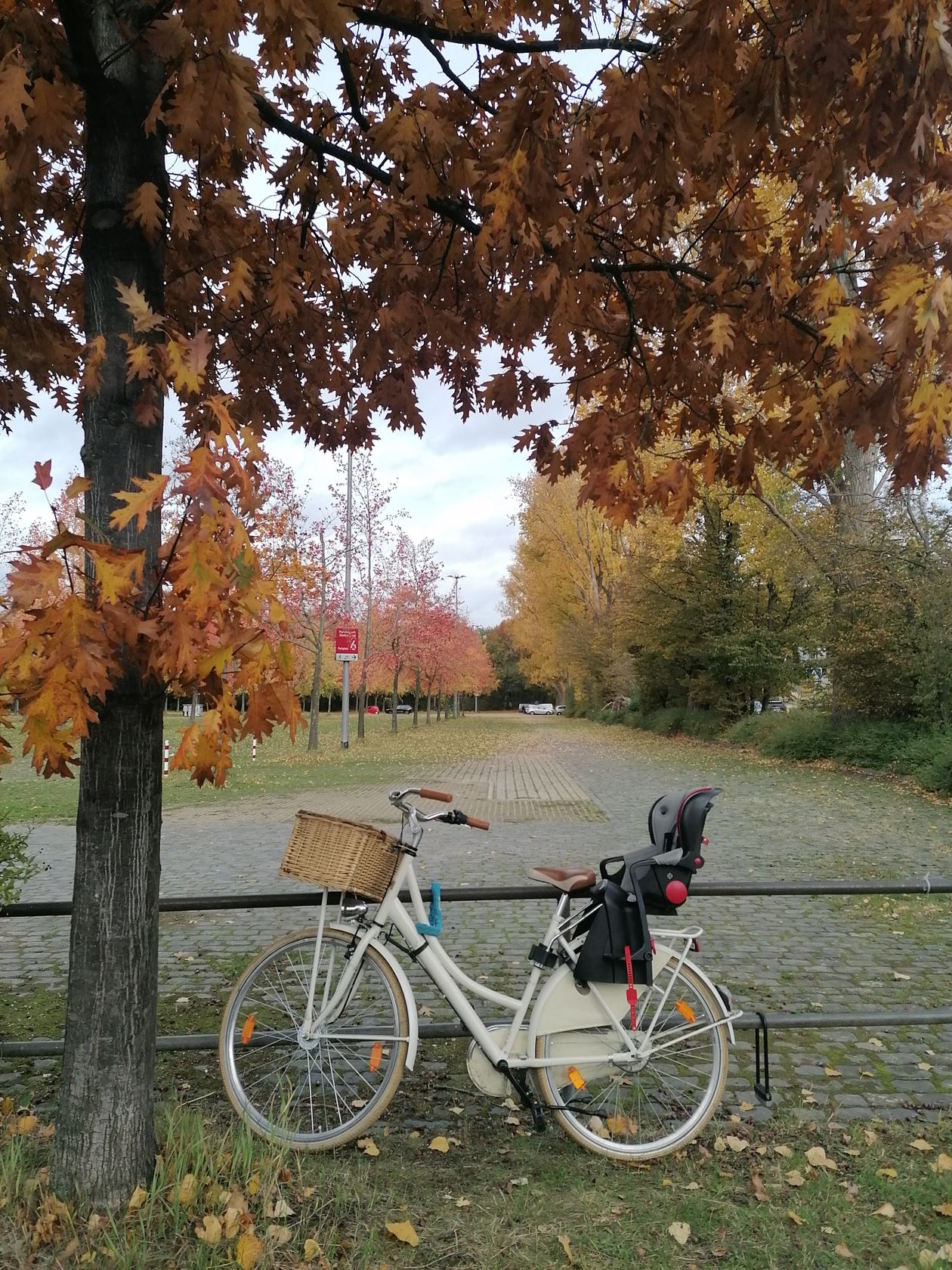
Each option has pros and cons. Rear-mounted seats are the most common and carry larger toddlers, but you cannot see your child easily. Front-mounted seats keep your child between your arms where you can talk and watch them, but they usually have lower weight limits and can affect steering. Trailers sit low behind the bike, carry two children and cargo, and offer weather protection, but they are wider, harder to see in traffic, and expose children to car exhaust at bumper height.
| Type | Typical Age | Pros | Cons |
|---|---|---|---|
| Rear-mounted seat | 12 months to about 4 years | Higher weight limit, stable | Hard to see child, higher center of gravity |
| Front-mounted seat | 12 months to about 3 years | Easy to see and talk | Lower weight limit, can crowd your knees |
| Bike trailer | 12 months+ (some earlier with inserts) | Low, weather cover, two kids | Wide, low visibility to drivers |
| Cargo bike | 12 months+ | Room for kids and gear | Expensive, heavy |
Helmet Fit Is Non-Negotiable
Your child should always wear a certified bike helmet that fits properly. The helmet should sit level on the head, covering the forehead about one to two finger widths above the eyebrows. Side straps should form a V under each ear, and the chin strap should be snug enough that only one finger fits underneath. Choose a toddler helmet with a flat back, so it does not push your child’s head forward in a high-backed seat. Replace any helmet after a crash or once your child outgrows it.
Safety Tips for Riding With a Baby
- Practice riding with weight in the seat before your child rides.
- Start on quiet paths away from traffic.
- Ride slowly and smoothly, avoiding rough terrain.
- Use the full harness and foot straps every time.
- Use a kickstand designed for child seats, and never leave your child in the seat on a parked bike.
- Add lights, a flag, and reflective gear for visibility.
- Dress your child warmly, since they are not moving or pedaling.

Choosing a Bike Seat
When shopping, check that the seat fits your bike frame, rack, and wheel size, and that it meets recognized safety standards. Look for a high back and side wings for head support, a five-point harness, adjustable footrests with straps, spoke guards that keep feet out of wheels, and a reclining option if your child naps. Weight limits matter, since a seat that carries up to 48 pounds will last longer.
Think about how often you will remove the seat, as quick-release mounts are easier to share between bikes. Asking these questions makes when can a baby ride in a bike seat a practical decision rather than just an age milestone.
Your First Rides Together
Keep the first few rides short, about 10 to 20 minutes, on smooth, flat paths. Talk to your child, point out what you see, and watch for signs they are uncomfortable, tired, or cold. Many toddlers love bike rides and quickly fall asleep, so a seat with good head support helps. Build up distance slowly, and plan stops for snacks and stretching. Starting gently helps your child enjoy cycling for years.
If you also use a stroller for outings, our guide on when a baby can sit in a stroller without a car seat covers another key mobility milestone.
Weather, Season, and Time of Day
Babies and toddlers sitting in a bike seat do not generate heat the way a pedaling adult does, so they get cold much faster. In cool weather, add a warm layer, mittens, and a thin balaclava under the helmet, and use a seat with a footmuff or a trailer with a rain cover. In summer, protect your child from the sun with sunscreen, sunglasses, and light layers, and avoid the hottest hours.
Ride in daylight when visibility is best. Thinking about conditions is part of deciding when can a baby ride in a bike seat comfortably, not just safely.
Check Local Laws
Many states, provinces, and countries have rules for carrying children on bicycles, including minimum ages, mandatory helmets for children, and approved seat types. Before your first ride, check the regulations where you live. Following local law is the final piece of the puzzle when you decide when can a baby ride in a bike seat in your area.
Common Mistakes to Avoid
- Starting too early before neck strength is ready.
- Skipping the helmet for short trips.
- Riding in heavy traffic on early rides.
- Leaving the child in the seat while the bike is parked.
- Ignoring weight limits as your child grows.
Shop This Guide
If you decide this gear is right for you, these links show current options and prices. Check reviews, size and weight limits, and recall status before you buy.
- Rear-mounted child bike seats on Amazon →
- Toddler bike helmets on Amazon →
- Kids bike trailers on Amazon →
As an Amazon Associate, we earn from qualifying purchases at no extra cost to you.
A Practical Scenario: The First Birthday Ride
Imagine a cycling couple eager to bring their daughter along. They wait until her first birthday, buy a rear seat with a high back and a flat-backed toddler helmet, and practice riding with a bag of flour in the seat. Her first ride is a 15-minute loop on a quiet park path. She loves the wind and falls asleep on the third ride. For them, the honest answer to when can a baby ride in a bike seat was twelve months.
Frequently Asked Questions
When can a baby ride in a bike seat?
Most experts recommend waiting until at least 12 months, when babies have the neck strength for a helmet and bumps.
Is a bike trailer safer than a bike seat?
Trailers are lower and less likely to fall, but they are harder for drivers to see. Both can be safe with good practices.
Does my baby need a helmet in a trailer?
Yes, most experts and manufacturers recommend a helmet in trailers as well.
Can a 9-month-old ride in a bike seat?
Some seats allow it, but pediatric guidance generally suggests waiting until 12 months.
Final Thoughts: When Can a Baby Ride in a Bike Seat?
When can a baby ride in a bike seat? For most families, the safest answer is around 12 months, once your baby has strong neck control, fits a certified helmet, and sits steadily. Choose the right seat or trailer for your bike and routes, practice first, start slowly on quiet paths, and make the helmet a non-negotiable habit from the very first ride.
Sources & Expert References
- American Academy of Pediatrics (HealthyChildren.org)
- CDC Child Safety & Injury Prevention
- CPSC Nursery Product Safety
- Before you buy: Check the current recall list at CPSC.gov/Recalls, especially for secondhand or older gear.

About the Author
TheBabyGearList Team
TheBabyGearList is an independent baby-gear site. We put each guide together from manufacturer specifications, safety standards and guidance (AAP, CPSC, NHTSA and JPMA), and patterns in verified buyer reviews. We use AI writing tools to help draft guides and review every guide before it goes live. We have not hands-on tested every product we mention, so please check the manufacturer's current instructions and limits before you buy or use any gear, and talk to your pediatrician about health questions. Spotted something out of date? Tell us through the Contact page.