- Quick Answer by Age
- Why Young Babies Do Not Need Water
- Introducing Water at 6 Months
- How Much Water Is Enough?
- Choosing the Right Cup
- Hot Weather and Illness
- Tap Water, Bottled Water, and Formula
- What About Juice?
- When Can Babies Drink Water at Daycare?
- Building Healthy Drinking Habits
- Common Mistakes to Avoid
- When Can Babies Drink Water on the Go?
- Shop This Guide
- A Practical Scenario: Starting Solids in Summer
- Frequently Asked Questions
- Final Thoughts: When Can Babies Drink Water?
- Free Newborn Gear Checklist
- Everything you need before baby arrives — get the free printable checklist, straight to your inbox.
As an Amazon Associate, we earn from qualifying purchases linked in this post.
When can babies drink water? Most babies can start having small sips of water at around 6 months old, when they begin eating solid foods. Before 6 months, babies get all the fluid they need from breast milk or formula, and giving water can fill their small tummies, reduce how much milk they take, and in rare cases upset their sodium balance. After 6 months, a few ounces a day offered in an open cup or sippy cup is usually plenty.
Parents often wonder about water on hot days, during illness, or when starting solids. The rules change as babies grow, and the amount matters as much as the timing. Below we explain the guidance by age, why water is limited for young babies, how much to offer, which cups work best, and common questions about juice, bottled water, and travel.
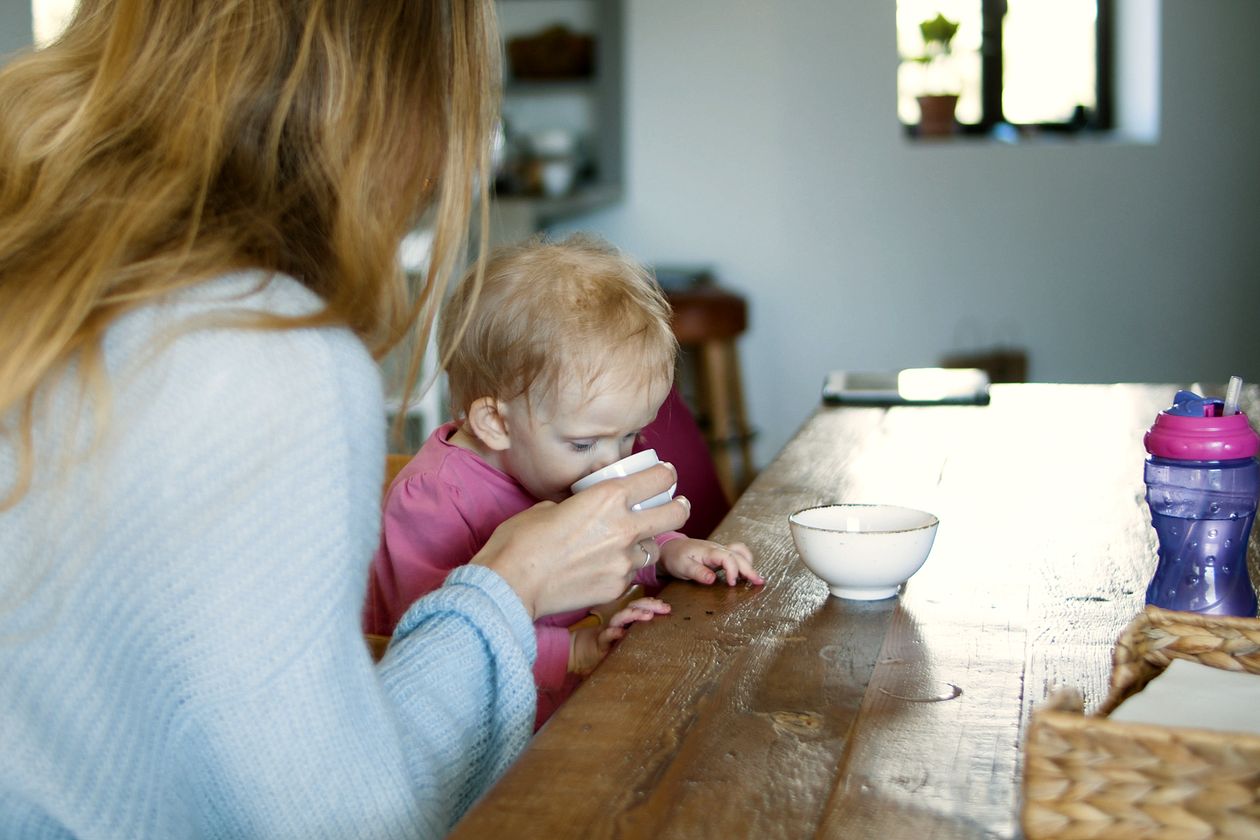
Quick Answer by Age
This table gives a quick answer to when can babies drink water and how much is typical.
| Age | Water Guidance | Main Drink |
|---|---|---|
| 0–6 months | No water needed, even in hot weather | Breast milk or formula |
| 6–12 months | Small sips, about 4–8 oz (0.5–1 cup) per day | Breast milk or formula |
| 12–24 months | About 1–4 cups per day | Water and milk |
| 2 years+ | Water becomes the main drink between meals | Water, with milk at meals |
Why Young Babies Do Not Need Water
Breast milk and formula are about 80 to 90 percent water and provide all the hydration a healthy baby under 6 months needs, even in warm weather. A newborn’s stomach is tiny, so water takes up space that should be filled with calorie-rich milk. Giving large amounts of plain water to young babies can also lead to water intoxication, a rare but serious condition that lowers sodium levels in the blood. This is why pediatricians are clear that the answer to when can babies drink water is not before about 6 months unless your doctor advises otherwise. The American Academy of Pediatrics explains this in its guide to how much water kids need.
Introducing Water at 6 Months
Around 6 months, when babies start solids, you can offer small amounts of water with meals. The goal is practice, not hydration: learning to sip from a cup and getting used to the taste of plain water. Most babies only take a few sips at first, and that is fine. Continue breast milk or formula as the main drink for the rest of the first year.
How Much Water Is Enough?
Between 6 and 12 months, about 4 to 8 ounces (half a cup to one cup) of water per day is plenty, spread across meals. After the first birthday, toddlers usually need about 1 to 4 cups of water per day, along with milk. Watch for signs of good hydration: regular wet diapers, pale urine, and moist lips. If you are unsure, ask your pediatrician what is right for your child.
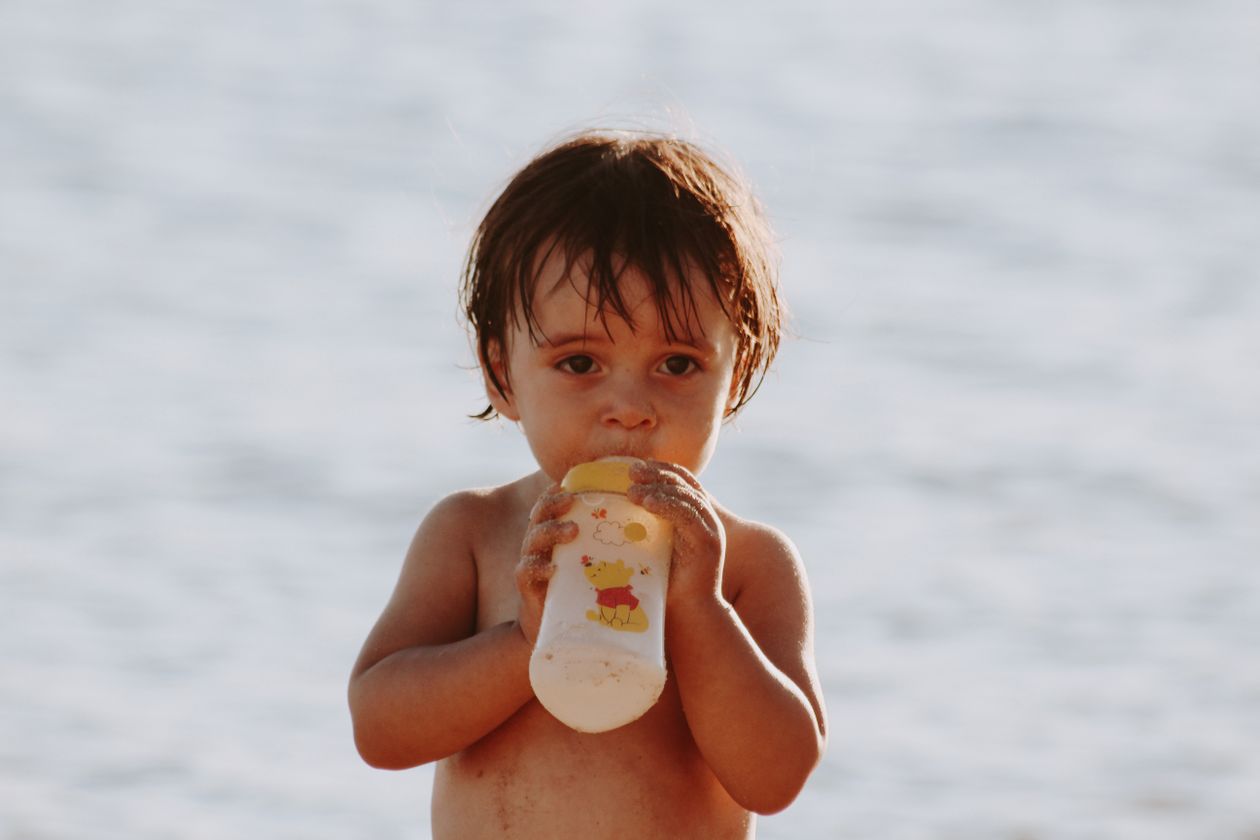
Choosing the Right Cup
Experts often recommend starting with an open cup or a straw cup rather than a bottle for water, because it helps develop drinking and feeding skills. Small, lightweight cups designed for babies are easier to hold. Sippy cups are convenient for spills, but long-term use of spouted cups is less helpful for oral development. Our guide on when babies can use a sippy cup covers the options.
Hot Weather and Illness
In hot weather, babies under 6 months should be offered more frequent breast milk or formula feeds rather than water. Older babies can have a few extra sips of water along with their usual milk. If your baby has vomiting, diarrhea, or fever, contact your pediatrician; they may recommend an oral rehydration solution rather than plain water. Signs of dehydration include fewer wet diapers, a dry mouth, sunken soft spot, no tears when crying, and unusual sleepiness, and these need prompt medical attention.
Tap Water, Bottled Water, and Formula
In most areas with safe public water, tap water is fine for older babies and for mixing formula, although some parents boil it first for young infants. If you use well water, have it tested. Fluoridated tap water helps protect developing teeth. Bottled water labeled for infants is an option if your tap water is not safe. Always follow formula mixing instructions exactly and never add extra water to stretch formula.
What About Juice?
Juice is not recommended before 12 months. After that, if you offer it, keep it to a small amount of 100 percent fruit juice per day, served in a cup with a meal. Whole fruit is a better choice, and water and milk should be the main drinks for toddlers.
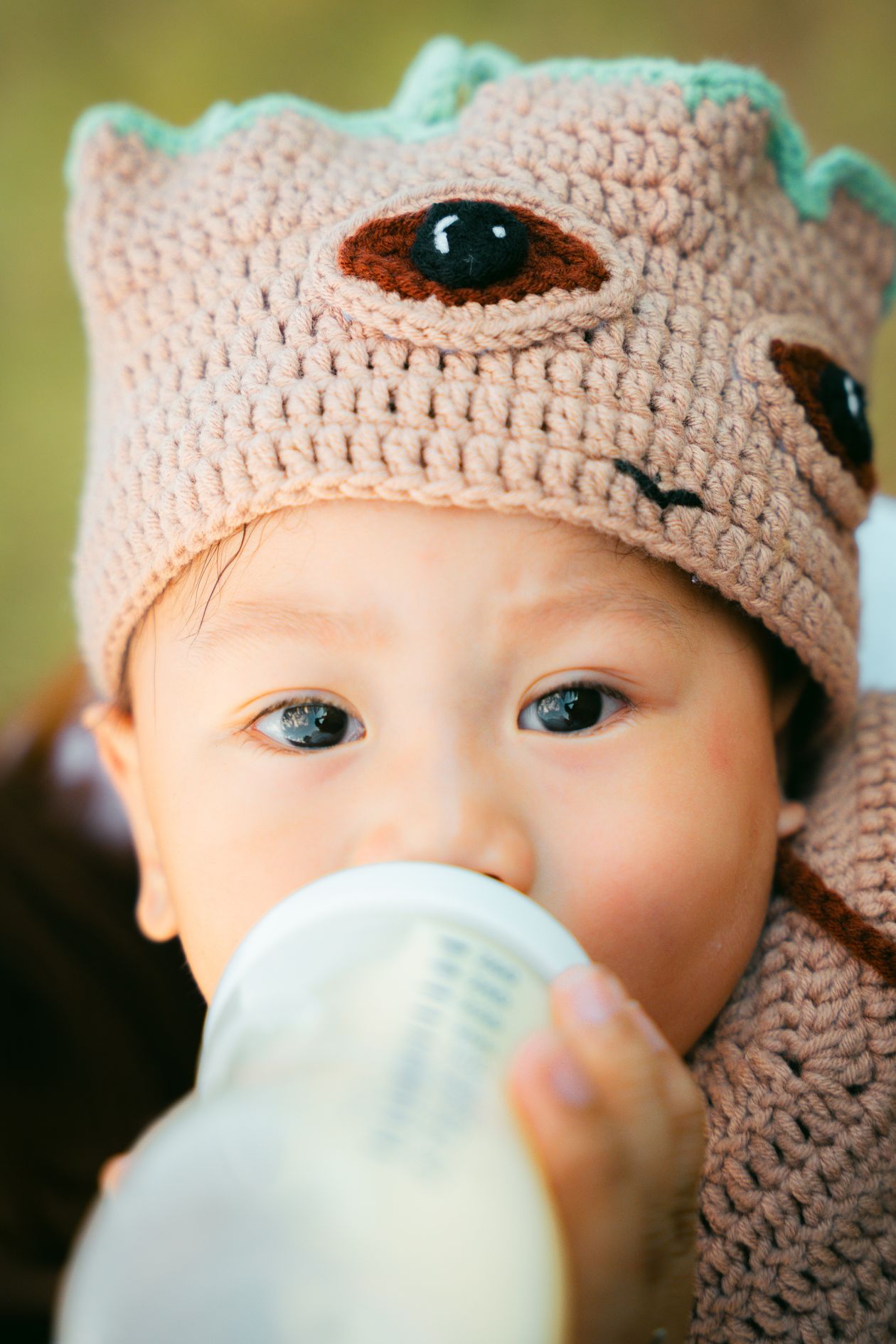
When Can Babies Drink Water at Daycare?
If your baby attends daycare, share your plan with caregivers. Most centers follow pediatric guidance, offering water only to babies over 6 months and keeping milk as the main drink. Label your baby’s cup and let staff know how much milk and water your baby usually has each day. Clear communication keeps the answer to when can babies drink water consistent between home and childcare, which helps babies settle into a routine.
Building Healthy Drinking Habits
The habits you build in the first two years can last. Offering water with meals and snacks, rather than sweet drinks, helps toddlers learn to enjoy plain water. Modeling the behavior yourself, by drinking water at the table, also makes a difference. Avoid letting toddlers carry a bottle or sippy cup of milk or juice around all day, which can affect appetite and teeth.
Common Mistakes to Avoid
- Giving water to newborns to “settle” them or between feeds.
- Diluting formula with extra water.
- Offering large amounts that replace milk feeds in the first year.
- Using water in a bottle at bedtime, which builds habits that are hard to change.
- Introducing juice too early instead of water.
When Can Babies Drink Water on the Go?
Once your baby is over 6 months and having water at meals, bring a small spill-proof cup in the diaper bag for outings, especially in warm weather. Keep milk feeds as the main source of fluids. For babies under 6 months, there is no need to pack water, only milk or formula. This simple rule makes the question of when can babies drink water easy to handle while traveling.
Shop This Guide
If you decide this gear is right for your family, these links show current options and prices. Check reviews, age and weight limits, and recall status before you buy.
Want our top picks? Read our guide to the best baby high chair.
As an Amazon Associate, we earn from qualifying purchases at no extra cost to you.
A Practical Scenario: Starting Solids in Summer
Imagine a 6-month-old starting purees in July. Her parents offer two or three sips of water from a small open cup at each meal, continue breastfeeding on demand, and watch for wet diapers on hot days. By 9 months, she drinks about half a cup of water a day. For them, the honest answer to when can babies drink water was 6 months, in small amounts with meals.
Frequently Asked Questions
When can babies drink water for the first time?
Around 6 months, when they start solid foods, in small sips.
Can I give my newborn water when it is hot?
No. Offer more frequent breast milk or formula feeds instead.
How much water can a 9-month-old drink?
About 4 to 8 ounces per day in total, spread across meals.
Should I boil tap water for my baby?
Some parents do for young infants; ask your pediatrician about your local water.
Final Thoughts: When Can Babies Drink Water?
When can babies drink water? Around 6 months, when solids begin, in small amounts of about 4 to 8 ounces a day. Before that, breast milk or formula provides all the hydration your baby needs. Offer water in an open or straw cup with meals, never dilute formula, watch for signs of dehydration, and ask your pediatrician if your baby is unwell.
Sources & Expert References
- American Academy of Pediatrics (HealthyChildren.org)
- CDC Child Safety & Injury Prevention
- CPSC Nursery Product Safety
- Before you buy: Check the current recall list at CPSC.gov/Recalls, especially for secondhand or older gear.

About the Author
TheBabyGearList Team
TheBabyGearList is an independent baby-gear site. We put each guide together from manufacturer specifications, safety standards and guidance (AAP, CPSC, NHTSA and JPMA), and patterns in verified buyer reviews. We use AI writing tools to help draft guides and review every guide before it goes live. We have not hands-on tested every product we mention, so please check the manufacturer's current instructions and limits before you buy or use any gear, and talk to your pediatrician about health questions. Spotted something out of date? Tell us through the Contact page.