- When a Baby Monitor Genuinely Matters
- When You Can Probably Skip One
- Audio-Only vs. Video: Which Do You Actually Need?
- What About Smart Features Like Breathing Sensors?
- A Personal Note on Monitors
- Frequently Asked Questions About Baby Monitors
- Shop This Guide
- Final Thoughts: Do You Need a Baby Monitor?
- Free Newborn Gear Checklist
- Everything you need before baby arrives — get the free printable checklist, straight to your inbox.
As an Amazon Associate, we earn from qualifying purchases linked in this post.
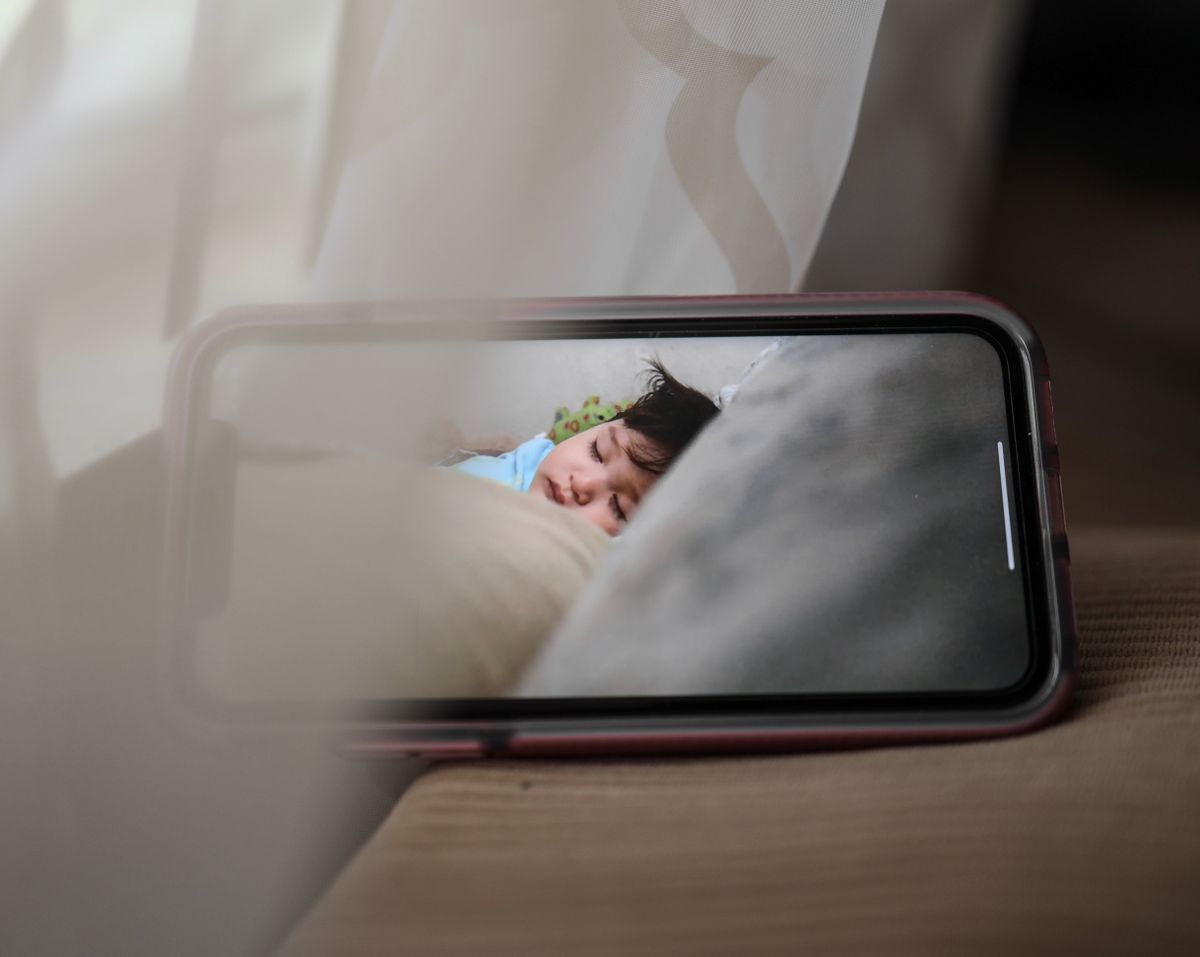
Do you need a baby monitor? Walk down any baby aisle and it feels mandatory, but the honest answer depends almost entirely on your home’s layout, not on what’s trending on registries. Here’s how to actually decide, room by room, before you spend money on a gadget that might just end up in a drawer.
When a Baby Monitor Genuinely Matters
A monitor earns its place when distance or walls stand between you and the crib:
- Nursery on a different floor — if the baby’s room isn’t within easy earshot of where you spend evenings, a monitor closes that gap.
- A large or multi-level home — sound doesn’t travel through multiple closed doors and hallways the way it does in a small apartment.
- Co-sleeping in a bassinet is ending — once baby moves to their own room, the monitor replaces the reassurance you had from proximity.
- Multiple caregivers, one house — a video feed lets whoever’s on duty check in without opening the door and risking a wake-up.
When You Can Probably Skip One
A monitor is genuinely optional in a few common setups. If any of these describe your home, the honest answer to “do you need a baby monitor” is usually no:
- Studio or one-bedroom apartment — if you can hear a pin drop from the nursery already, a monitor adds notifications, not information.
- Bassinet in your room — for the first few months, many families skip the monitor entirely since baby is already within arm’s reach overnight.
- Tight budget in the newborn stage — a monitor is one of the more skippable “must-haves” if money is going toward feeding gear or safe sleep basics first.
Audio-Only vs. Video: Which Do You Actually Need?
Audio monitors are cheaper and simpler, and for many parents that’s genuinely enough — you’re listening for a cry, not watching a screen all night. Video monitors add real value once baby starts standing in the crib or climbing, when knowing they’re upright (not just making noise) actually changes what you do next. If budget is tight, start audio-only and upgrade later if you find yourself wishing you could see what’s going on. Some parents also find that a video monitor helps reduce anxious nighttime check-ins, since you can glance at a screen instead of opening a creaky door.
What About Smart Features Like Breathing Sensors?
Wearable and under-mattress breathing sensors are a separate category from standard audio/video monitors, and they’re worth mentioning because parents often lump the two together. The American Academy of Pediatrics has not endorsed these sensors as SIDS-prevention tools, since they haven’t been shown to reduce risk the way safe sleep practices do. If you’re drawn to one for peace of mind, that’s a personal choice, but it shouldn’t replace the actual safe-sleep basics.
A Personal Note on Monitors
When parents ask me do you need a baby monitor, my answer is always the same: it depends on your layout, not the marketing. In reviewing nursery gear, the biggest regret I hear from parents isn’t buying the wrong monitor — it’s buying one before figuring out their actual layout. A $200 video monitor with a pan-and-tilt camera is wasted in a small apartment where you could hear a whisper through the wall. Figure out the layout problem first, then shop for the feature that actually solves it.
Frequently Asked Questions About Baby Monitors
Are baby monitors actually necessary for safety?
Strictly for safety, no — so if you’re asking “do you need a baby monitor” purely for safety reasons, no major safe-sleep organization lists a monitor as a required safety item — the essentials are a firm mattress, no loose bedding, and a safe sleep space. Monitors are a convenience and reassurance tool, not a safety requirement. See the NICHD Safe to Sleep campaign for what actually matters for safe sleep.
Do I need a monitor for a newborn in a bassinet next to my bed?
Generally no — if baby is within arm’s reach overnight, you’ll hear them before a monitor would even alert you.
When should I upgrade from audio to video?
Most parents find video most useful once baby starts pulling up to stand or climbing, typically 6-10 months, when seeing position matters more than just hearing sound.
Shop This Guide
If you decide this gear is right for your family, these links show current options and prices. Check reviews, age and weight limits, and recall status before you buy.
Want our tested picks? Read our guide to the best baby monitor.
As an Amazon Associate, we earn from qualifying purchases at no extra cost to you.
Final Thoughts: Do You Need a Baby Monitor?
So, do you need a baby monitor? A baby monitor is worth it exactly when your home layout creates real distance between you and the crib — and skippable when it doesn’t. If you’ve decided you need one, see our baby monitor picks for specific models, or browse the complete sleep and nursery guide for everything else on the nursery checklist.
Sources & Expert References
- American Academy of Pediatrics (HealthyChildren.org)
- CDC Child Safety & Injury Prevention
- CPSC Nursery Product Safety
- Before you buy: Check the current recall list at CPSC.gov/Recalls, especially for secondhand or older gear.

About the Author
Sarah Bennett
Sarah Bennett runs product testing for TheBabyGearList. She has three kids of her own (ages 7, 4, and 1), which means she has bought, returned, and worn out more strollers, car seats, and baby monitors than she can count. Every review on this site starts from a real comparison: she buys or borrows the top options in a category, uses them for at least two weeks with her own kids, and writes down the specific things that broke, annoyed her, or worked better than expected. Before this she spent four years as a product safety reviewer for a parenting magazine, checking car seat and crib listings against CPSC recall data. She lists the cheapest option that actually holds up first, and skips products she wouldn't put her own kids in.