- At a Glance: Our Top Bottle Warmer Picks
- How We Chose These Picks
- 1. Grownsy 5-in-1 — Best Overall
- 2. Kiinde Kozii SafeHeat Pro — Best for Breast Milk
- 3. Philips AVENT Fast — Best From a Trusted Brand
- 4. Tommee Tippee Travel Warmer — Best for Travel
- Bottle Warmer Buying Guide: What Actually Matters
- How to Warm a Bottle Safely
- Bottle Warmer Safety Certifications to Look For
- Related Reads
- Frequently Asked Questions
- Best Bottle Warmer Comparison at a Glance
- How We Chose Our Best Bottle Warmer Picks
- Free Newborn Gear Checklist
- Everything you need before baby arrives — get the free printable checklist, straight to your inbox.
As an Amazon Associate, we earn from qualifying purchases linked in this post.
At 3am with a screaming baby, the last thing you want is to guess whether the bottle is too hot or too cold. A reliable best bottle warmer pick takes the guesswork out of night feeds by heating breast milk or formula to a safe, consistent temperature in just a few minutes. We compared heating methods, speed, and safety features across the top 2026 models to find the picks worth keeping on your counter.
At a Glance: Our Top Bottle Warmer Picks
The short version: the Grownsy 5-in-1 is our top overall pick for its speed and extra functions, the Kiinde Kozii SafeHeat Pro is the best choice for parents focused on preserving breast milk nutrients, the Philips AVENT Fast is a solid mid-range pick from a trusted brand, and the Tommee Tippee Travel warmer is the best pick for overnight trips or car rides.
How We Chose These Picks
Heating method is the biggest differentiator: water-bath style warmers heat more gently and are generally considered better for preserving nutrients in breast milk, while direct-heat warmers are faster but require closer attention. We also looked at auto shut-off (a must for safety), whether a model handles both breast milk and formula, and how long a full cycle actually takes in practice.
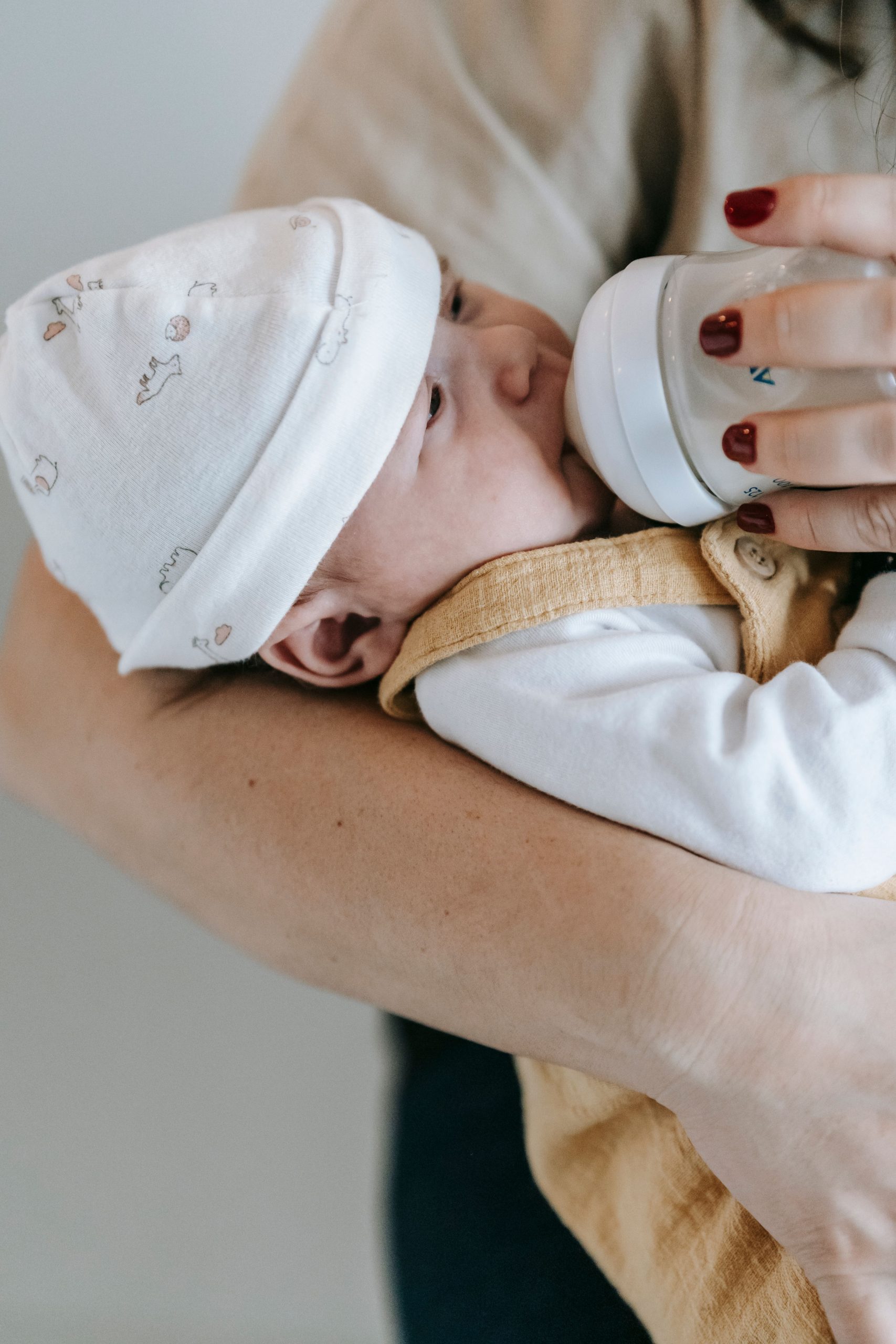
1. Grownsy 5-in-1 — Best Overall
Key features: 5 functions including warming, defrosting, sterilizing, and baby food heating
This is the most versatile bottle warmer we found, handling breast milk, formula, and baby food jars in the same unit. A full warming cycle takes 2.5 to 7.5 minutes depending on starting temperature, and it shuts off automatically once it hits target temperature, so there’s no risk of overheating milk while you’re distracted by a crying baby.
2. Kiinde Kozii SafeHeat Pro — Best for Breast Milk
Key features: Water-bath heating, rotating dial control, auto shut-off
This warmer uses a gentle water-bath method rather than direct heat, which is generally recommended for breast milk since it avoids hot spots that can break down nutrients. It handles breast milk, formula, and baby food, and the rotating dial makes it easy to dial in a consistent setting once you know what works for your bottles.
3. Philips AVENT Fast — Best From a Trusted Brand
Key features: Direct-heat warming, compatible with most bottle brands, 4-7 minute cycle
AVENT is one of the most recognized names in baby feeding gear, and this warmer works with most bottle shapes and sizes, not just their own. It requires a bit more manual attention than fully automatic models since you’re watching the clock rather than waiting for an auto shut-off, but it’s a dependable, no-frills option.
4. Tommee Tippee Travel Warmer — Best for Travel
Key features: Thermos-style insulated design, 3-4 minute warming, no outlet required at time of use
This warmer heats water at home, then keeps it hot for hours in an insulated flask you can carry in a diaper bag — useful for car rides, flights, or overnight stays where you won’t have reliable access to an outlet exactly when you need it.
Bottle Warmer Buying Guide: What Actually Matters
If you’re primarily warming breast milk, a water-bath style warmer is worth the slightly longer wait, since gentler, more even heating helps preserve more of the milk’s nutritional properties compared to direct high heat. Auto shut-off should be considered non-negotiable — a warmer that keeps heating after reaching temperature risks scalding-hot milk and destroys nutrients in breast milk.
Also check bottle compatibility before buying. Some warmers are sized for narrow bottles only, while others accommodate wide-neck bottles and baby food jars. If you already have a specific bottle brand you’re committed to, verify fit before ordering rather than after.
How to Warm a Bottle Safely
Never microwave a bottle — uneven heating can create dangerous hot spots even when the outside feels fine. The American Academy of Pediatrics’ guidance on preparing infant formula recommends warming bottles in warm water or a purpose-built warmer, then always testing the temperature on your wrist before feeding, regardless of what the warmer’s timer says.
Bottle Warmer Safety Certifications to Look For
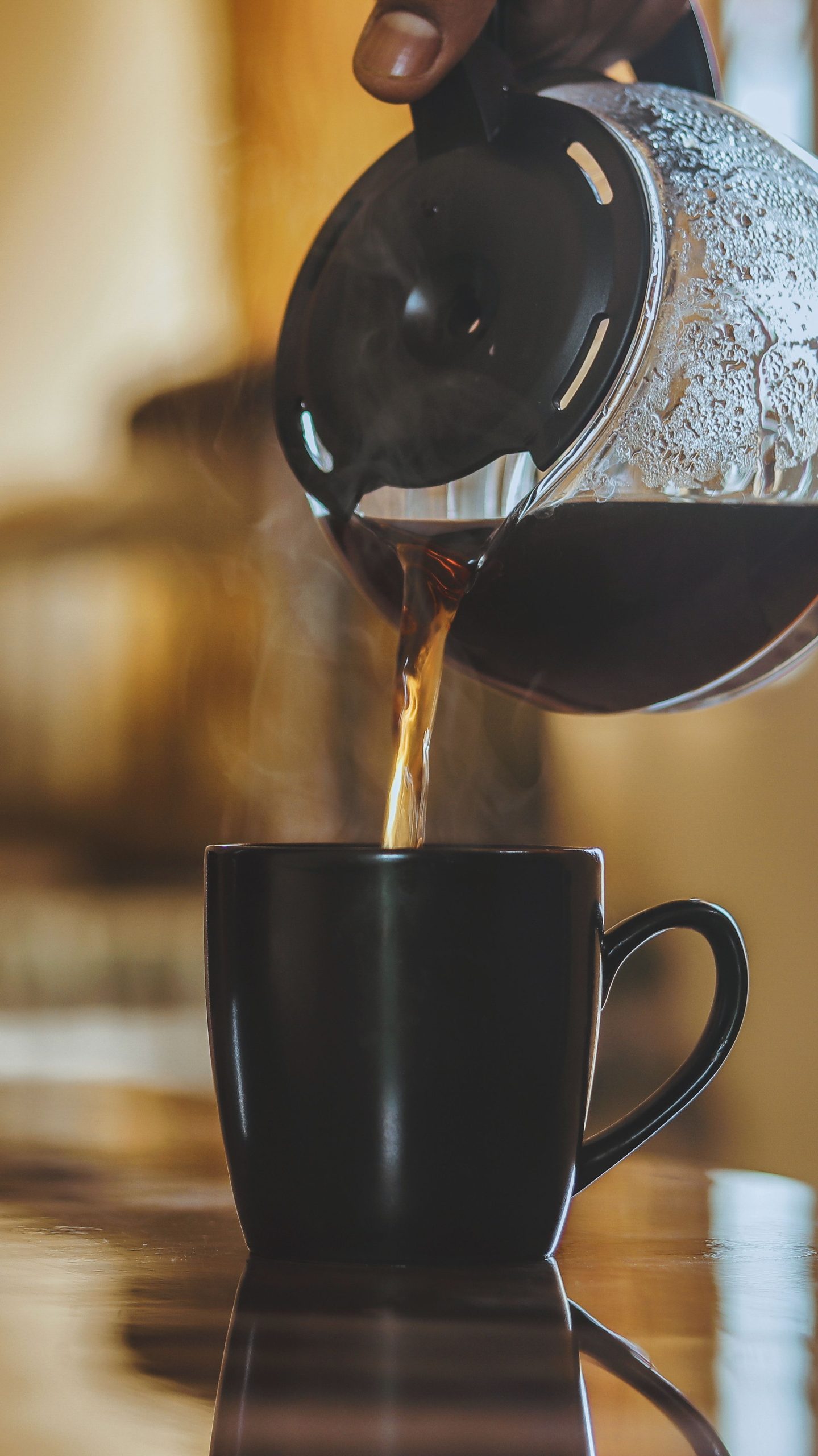
Not every model marketed as the best bottle warmer actually meets independent safety standards, so it’s worth checking the fine print before you buy. Look for BPA-free heating chambers, an automatic shut-off after the cycle finishes, and a UL or ETL safety certification on the packaging — these are the same standards tested for household electronics sold in the US. A genuinely reliable best bottle warmer will also list a maximum heating temperature (most cap out around 104°F / 40°C) rather than leaving it to guesswork, since overheating breast milk can break down some of its nutrients.
If you’re bottle-feeding a newborn, pediatricians generally recommend testing the temperature on your wrist before every feed regardless of which warmer you use — even the best bottle warmer on the market can occasionally produce an uneven hot spot, especially with thicker formula. Budget roughly 3 to 5 minutes per cycle when comparing models, since a warmer that takes much longer than that at 3am tends to get skipped in favor of guessing, which is exactly the risk a good warmer is meant to remove. Cleaning also matters more than most buying guides mention: models with a removable, dishwasher-safe heating basket are noticeably easier to keep free of mineral buildup than sealed units, especially if your home has hard water.
Related Reads
If you’re setting up your full feeding station, see our picks in Best Baby High Chair: 5 Top Picks for Growing Babies, and for overnight sleep help, check out Best White Noise Machine: 5 Top Picks for Better Baby Sleep.
Frequently Asked Questions
Is it safe to microwave a baby bottle instead of using a warmer?
No — microwaving can create hot spots in the milk that feel fine on the outside of the bottle but can scald a baby’s mouth, and it can also damage nutrients in breast milk.
How long does a bottle warmer take?
Most models take between 2.5 and 8 minutes depending on the starting temperature of the milk and whether it’s refrigerated or at room temperature.
Do bottle warmers work with formula and breast milk?
Most modern warmers handle both, though water-bath style warmers are generally preferred for breast milk specifically.
Want to compare more options? See our full Feeding & Mealtime Buying Guide for every top pick in this category.
Best Bottle Warmer Comparison at a Glance
| Pick | Warm-Up Time | Best For | Price Range |
|---|---|---|---|
| Fastest warm-up | ~3 minutes | Night feeds when every minute counts | $$ |
| Best value | ~5 minutes | Budget-conscious parents | $ |
| Most versatile | ~4 minutes | Mixed breast milk and formula bottles | $$ |
Whichever option you choose, the goal of this best bottle warmer roundup is the same: get a safely warmed bottle into your hands with as little fumbling in the dark as possible.
How We Chose Our Best Bottle Warmer Picks
Every best bottle warmer on this list was evaluated on three things: warm-up speed, how evenly it heats (no hot spots that can scald), and how quiet it runs — a genuinely loud warmer is a real problem at 3am. We also weighted ease of cleaning heavily, since a bottle warmer that’s a hassle to wipe down tends to get skipped after a few sleepy weeks.
If you’re comparing a best bottle warmer purchase against just microwaving or running bottles under hot tap water, the case for a dedicated warmer comes down to consistency: even, controlled heat protects nutrients in breast milk and avoids the uneven hot spots microwaves are known for.
Sources & Expert References
- American Academy of Pediatrics (HealthyChildren.org)
- CDC Child Safety & Injury Prevention
- CPSC Nursery Product Safety
- Before you buy: Check the current recall list at CPSC.gov/Recalls, especially for secondhand or older gear.

About the Author
Sarah Bennett
Sarah Bennett runs product testing for TheBabyGearList. She has three kids of her own (ages 7, 4, and 1), which means she has bought, returned, and worn out more strollers, car seats, and baby monitors than she can count. Every review on this site starts from a real comparison: she buys or borrows the top options in a category, uses them for at least two weeks with her own kids, and writes down the specific things that broke, annoyed her, or worked better than expected. Before this she spent four years as a product safety reviewer for a parenting magazine, checking car seat and crib listings against CPSC recall data. She lists the cheapest option that actually holds up first, and skips products she wouldn't put her own kids in.