- Quick Answer by Age
- Why Pillows Are Unsafe for Infants
- What About Baby Positioning Pillows and Flat Head Pillows?
- What About Nursing Pillows?
- Signs Your Toddler May Be Ready for a Pillow
- How to Choose a Safe Toddler Pillow
- Introducing the Pillow
- Common Myths About Babies and Pillows
- Pillows at Grandparents’ Homes and While Traveling
- What If My Toddler Refuses a Pillow?
- Moving to a Toddler Bed
- A Practical Scenario: A Busy Two-Year-Old
- Shop This Guide
- Frequently Asked Questions
- Final Thoughts: When Can Babies Use a Pillow?
- Free Newborn Gear Checklist
- Everything you need before baby arrives — get the free printable checklist, straight to your inbox.
As an Amazon Associate, we earn from qualifying purchases linked in this post.
When can babies use a pillow? Babies should not sleep with a pillow before their first birthday, and most experts suggest waiting until around 18 months to 2 years, often when your child moves to a toddler bed. Before 12 months, pillows are a suffocation risk and do not offer any comfort benefit, because infants do not need head or neck support while lying flat on their backs.
Many parents feel a pillow would make their little one more comfortable, especially as babies grow into toddlers. The truth is that toddlers sleep perfectly well without one, and there is no rush. Below we explain why pillows are risky for infants, signs your toddler may be ready, how to choose a safe toddler pillow, and what to do about products marketed as baby pillows.
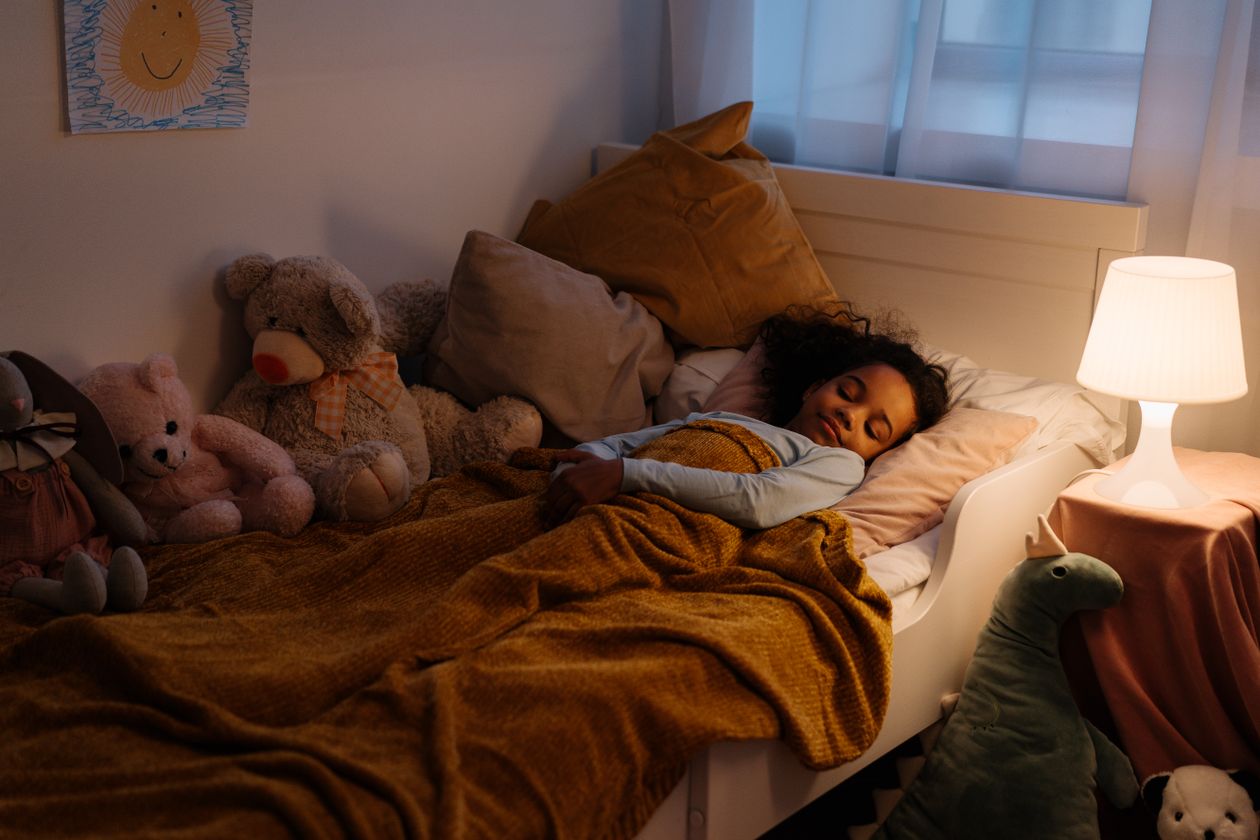
Quick Answer by Age
This table gives a quick answer to when can babies use a pillow at each stage.
| Age | Pillow in Sleep Space? | Notes |
|---|---|---|
| 0–12 months | No | Bare crib with only a fitted sheet, baby on their back |
| 12–18 months | Generally not needed | Some pediatric guidance allows a small, flat pillow, but most toddlers do not need one |
| 18 months–2 years | Optional | A small, firm toddler pillow can be introduced |
| 2–3 years | Common | Often introduced with the move to a toddler bed |
Why Pillows Are Unsafe for Infants
Pillows can block a baby’s airway if they roll or slide against it, and infants lack the strength and coordination to move away. Soft bedding is linked to a higher risk of sleep-related deaths, including sudden infant death syndrome and accidental suffocation. That is why safe sleep guidance from the American Academy of Pediatrics says to keep pillows, blankets, bumpers, and soft toys out of the crib. The full recommendations are in the AAP parent guide to safe sleep. When parents ask when can babies use a pillow, the first answer is always: not in the first year.
What About Baby Positioning Pillows and Flat Head Pillows?
You may see products such as infant positioners, wedges, and “flat head” pillows marketed for sleep. The U.S. Consumer Product Safety Commission and the FDA have warned against using sleep positioners because of suffocation risk, and these products are not recommended for infant sleep. If you are worried about a flat spot on your baby’s head, talk to your pediatrician. Supervised tummy time and changing your baby’s head position during awake time are the recommended approaches. Learn more at the CPSC’s Safe Sleep information page.
What About Nursing Pillows?
Nursing pillows are helpful for feeding, but they are not designed for sleep. Never let a baby sleep on, against, or propped up by a nursing pillow, and never leave a baby unattended on one. If your baby falls asleep while feeding, move them onto their back in a safe crib or bassinet. For more on feeding support, see our guide to the best nursing pillows.
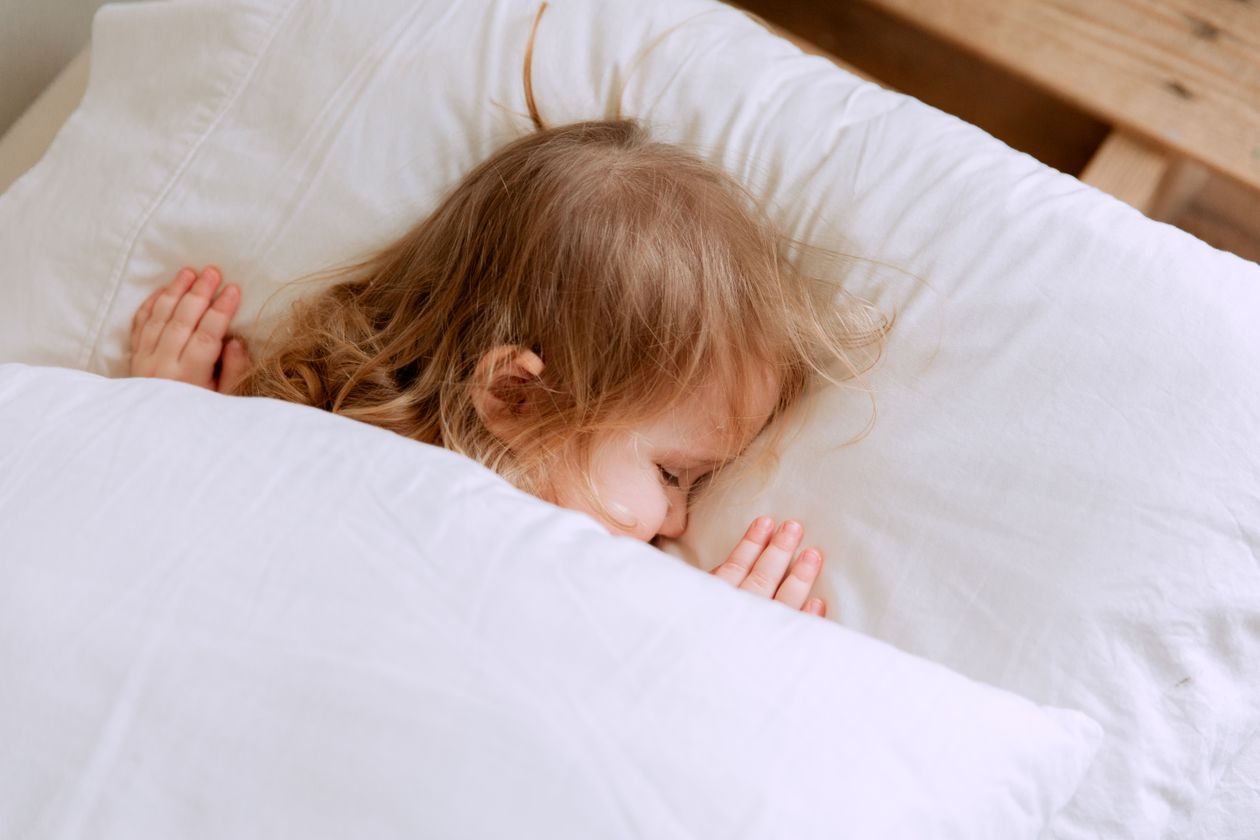
Signs Your Toddler May Be Ready for a Pillow
- They are at least 18 months old, and often closer to two.
- They have moved or are moving to a toddler bed.
- They rest their head on stuffed animals or folded blankets as if looking for support.
- They can easily move bedding and reposition themselves in their sleep.
- They seem uncomfortable when lying flat during travel or naps on larger beds.
None of these signs means a pillow is required. Many toddlers sleep happily without one until preschool age, so the answer to when can babies use a pillow can vary from child to child.
How to Choose a Safe Toddler Pillow
- Small size: toddler pillows are usually about 13 by 18 inches.
- Flat and firm: a thin pillow keeps the neck in a natural position.
- Breathable materials: cotton covers and hypoallergenic fill are good choices.
- Machine-washable: toddlers drool, spill, and get sick.
- No decorations: avoid buttons, beads, ribbons, or loose parts.
- Certifications: look for safety-tested materials, such as OEKO-TEX labels.
Introducing the Pillow
Start by offering the pillow at nap time and see how your child responds. Some toddlers love it immediately, while others push it off the bed. Do not force it. If your child prefers sleeping without a pillow, that is perfectly fine. Keep the rest of the bed simple: a fitted sheet, a light blanket once they are old enough, and perhaps one small comfort object.
Common Myths About Babies and Pillows
Myth: Babies need a pillow for neck support
Babies’ bodies are proportioned differently from adults’. Their heads are large relative to their shoulders, so lying flat keeps the spine naturally aligned. A pillow actually pushes the head forward and can make breathing harder. This is one reason the answer to when can babies use a pillow is later than many parents expect.
Myth: A thin pillow is safe for infants
Even a thin or small pillow adds soft material to the sleep space. Safe sleep guidance makes no exception for small pillows in the first year, so keep the crib bare regardless of the pillow’s size.
Myth: Pillows help with reflux or congestion
Raising the head of the crib or propping a baby on a pillow is not recommended for reflux or stuffy noses, as it can let babies slide into unsafe positions. Ask your pediatrician about safe ways to ease congestion, such as saline drops and a cool-mist humidifier.
Pillows at Grandparents’ Homes and While Traveling
Adult beds, couches, and guest rooms often have plenty of pillows, which can be dangerous for infants. When visiting relatives or staying in hotels, bring or request a safety-approved crib or portable play yard with a fitted sheet, and remove any pillows from your baby’s sleeping area. Explaining safe sleep rules to caregivers helps everyone understand when can babies use a pillow and why it matters. Once your child is a toddler, a small travel pillow from home can make unfamiliar beds feel more comforting.
What If My Toddler Refuses a Pillow?
That is completely normal. Some children never want a pillow until they are three or four years old. There is no developmental need for one, so follow your child’s lead. When parents wonder when can babies use a pillow, they can relax knowing that waiting longer is never a problem.
Moving to a Toddler Bed
For many families, the pillow arrives at the same time as the move from crib to toddler bed. This often happens between 18 months and 3 years, especially if your child is climbing out of the crib. Our guide on when to switch from a crib to a toddler bed walks through the signs and steps. If you have a convertible crib, see how long you use a convertible crib.
A Practical Scenario: A Busy Two-Year-Old
Imagine a 22-month-old who has started climbing out of the crib. Her parents convert the crib to a toddler bed and add a small, flat toddler pillow. She ignores it for a week, then starts using it every night. For them, the honest answer to when can babies use a pillow turned out to be about two years, timed with the bed transition.
Shop This Guide
If you decide this gear is right for your family, these links show current options and prices. Check reviews, age and weight limits, and recall status before you buy.
As an Amazon Associate, we earn from qualifying purchases at no extra cost to you.
Frequently Asked Questions
When can babies use a pillow safely?
Not before 12 months; most experts suggest waiting until 18 months to 2 years.
Can a pillow help with flat head syndrome?
No. Pillows are not recommended for sleep; use tummy time and talk to your pediatrician.
Do toddlers need a pillow?
No. Pillows are optional, and many toddlers sleep comfortably without one.
Can my baby nap on a nursing pillow?
No. Always move a sleeping baby to a firm, flat crib or bassinet.
Final Thoughts: When Can Babies Use a Pillow?
When can babies use a pillow? Not before their first birthday, and usually not until around 18 months to 2 years, often alongside the move to a toddler bed. Keep the crib bare in the first year, skip positioners and wedges, choose a small, firm, washable toddler pillow when the time comes, and let your child decide whether they want to use it.
Sources & Expert References
- American Academy of Pediatrics (HealthyChildren.org)
- CDC Child Safety & Injury Prevention
- CPSC Nursery Product Safety
- Before you buy: Check the current recall list at CPSC.gov/Recalls, especially for secondhand or older gear.

About the Author
Sarah Bennett
Sarah Bennett runs product testing for TheBabyGearList. She has three kids of her own (ages 7, 4, and 1), which means she has bought, returned, and worn out more strollers, car seats, and baby monitors than she can count. Every review on this site starts from a real comparison: she buys or borrows the top options in a category, uses them for at least two weeks with her own kids, and writes down the specific things that broke, annoyed her, or worked better than expected. Before this she spent four years as a product safety reviewer for a parenting magazine, checking car seat and crib listings against CPSC recall data. She lists the cheapest option that actually holds up first, and skips products she wouldn't put her own kids in.