- Early Priorities: 4-6 Months
- Before Crawling: Stairs and Cabinets
- Before Walking: Reassessing Reach
- Room-by-Room Priorities
- Shop This Guide
- Frequently Asked Questions
- Bottom Line: When Should You Start Baby Proofing?
- Common Hazards Parents Overlook
- Free Newborn Gear Checklist
- Everything you need before baby arrives — get the free printable checklist, straight to your inbox.
As an Amazon Associate, we earn from qualifying purchases linked in this post.
When should you start baby proofing? The safest answer is before your baby becomes mobile — typically around 4-6 months, well ahead of crawling, since babies often reach hazards faster than parents expect once movement begins.
Waiting until a baby is already crawling to start baby proofing means playing catch-up on safety measures that are much easier to install calmly in advance.
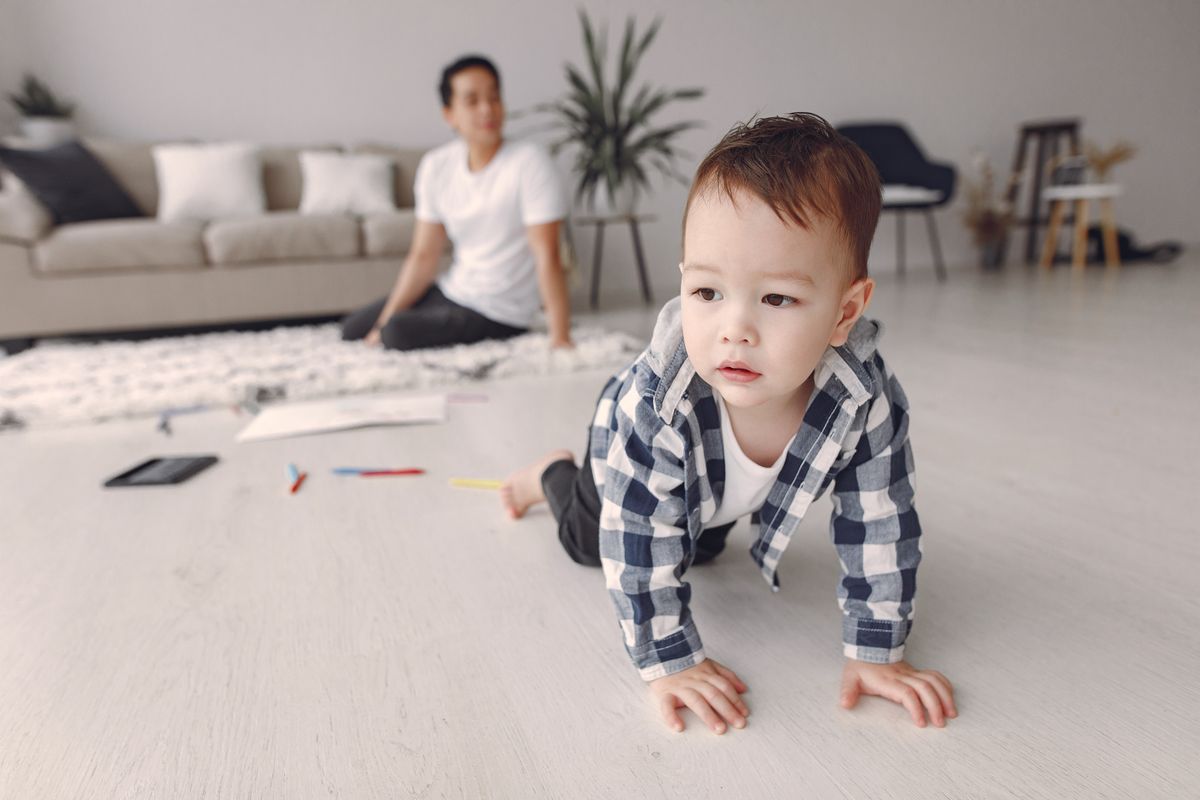
Early Priorities: 4-6 Months
Outlet covers, securing furniture that could tip, and removing small choking hazards from floor level are reasonable early steps, even before rolling and crawling begin in earnest.
Before Crawling: Stairs and Cabinets
Installing stair gates and cabinet locks before a baby actually crawls means these safety measures are already in place rather than being installed reactively after a close call. This is the core of when should you start baby proofing for most safety-focused parents.
Before Walking: Reassessing Reach
As babies pull up to stand and eventually walk, their reach extends significantly higher, so a second pass — checking countertops, tablecloths, and higher shelves — matters just as much as the initial crawling-stage proofing. For general home safety guidance, see HealthyChildren.org.
Room-by-Room Priorities
The kitchen and bathroom typically need the most attention due to cleaning supplies, sharp objects, and water hazards, while the nursery usually needs the least once basic crib safety is addressed.
A simple room-by-room walkthrough, getting down to a baby’s eye level to spot hazards you’d otherwise miss, is one of the most effective ways to catch overlooked risks.
Shop This Guide
If you decide this gear is right for your family, these links show current options and prices. Check reviews, age and weight limits, and recall status before you buy.
Want our tested picks? Read our guide to the best baby proofing kit.
As an Amazon Associate, we earn from qualifying purchases at no extra cost to you.
Frequently Asked Questions
Is it too late to baby proof if my baby is already crawling?
No — it’s never too late to start, though when should you start baby proofing ideally happens before mobility rather than in a rush afterward.
Do I need to baby proof the whole house at once?
Not necessarily — prioritizing the rooms your baby spends the most time in first, then expanding coverage gradually, is a reasonable and less overwhelming approach.
Bottom Line: When Should You Start Baby Proofing?
To sum up when should you start baby proofing: aim for 4-6 months, well before crawling begins, with a follow-up safety pass once your baby starts pulling up and walking.
Common Hazards Parents Overlook
Cords from blinds or electronics, unsecured bookshelves, and small button batteries in remote controls are frequently missed during an initial baby proofing pass, even by otherwise thorough parents. A dedicated safety-focused walkthrough, room by room, tends to catch more than a general tidy-up alone.
Stairs and doorways are a related priority worth addressing early — our baby gate guide covers that specific safety measure in more depth.
Are baby proofing products required by any safety standard?
Most are voluntary purchases rather than legally required, though many meet ASTM safety standards worth checking for on product packaging.
Sources & Expert References
- American Academy of Pediatrics (HealthyChildren.org)
- CDC Child Safety & Injury Prevention
- CPSC Nursery Product Safety
- Before you buy: Check the current recall list at CPSC.gov/Recalls, especially for secondhand or older gear.

About the Author
Sarah Bennett
Sarah Bennett runs product testing for TheBabyGearList. She has three kids of her own (ages 7, 4, and 1), which means she has bought, returned, and worn out more strollers, car seats, and baby monitors than she can count. Every review on this site starts from a real comparison: she buys or borrows the top options in a category, uses them for at least two weeks with her own kids, and writes down the specific things that broke, annoyed her, or worked better than expected. Before this she spent four years as a product safety reviewer for a parenting magazine, checking car seat and crib listings against CPSC recall data. She lists the cheapest option that actually holds up first, and skips products she wouldn't put her own kids in.